
Last updated September 10, 2026
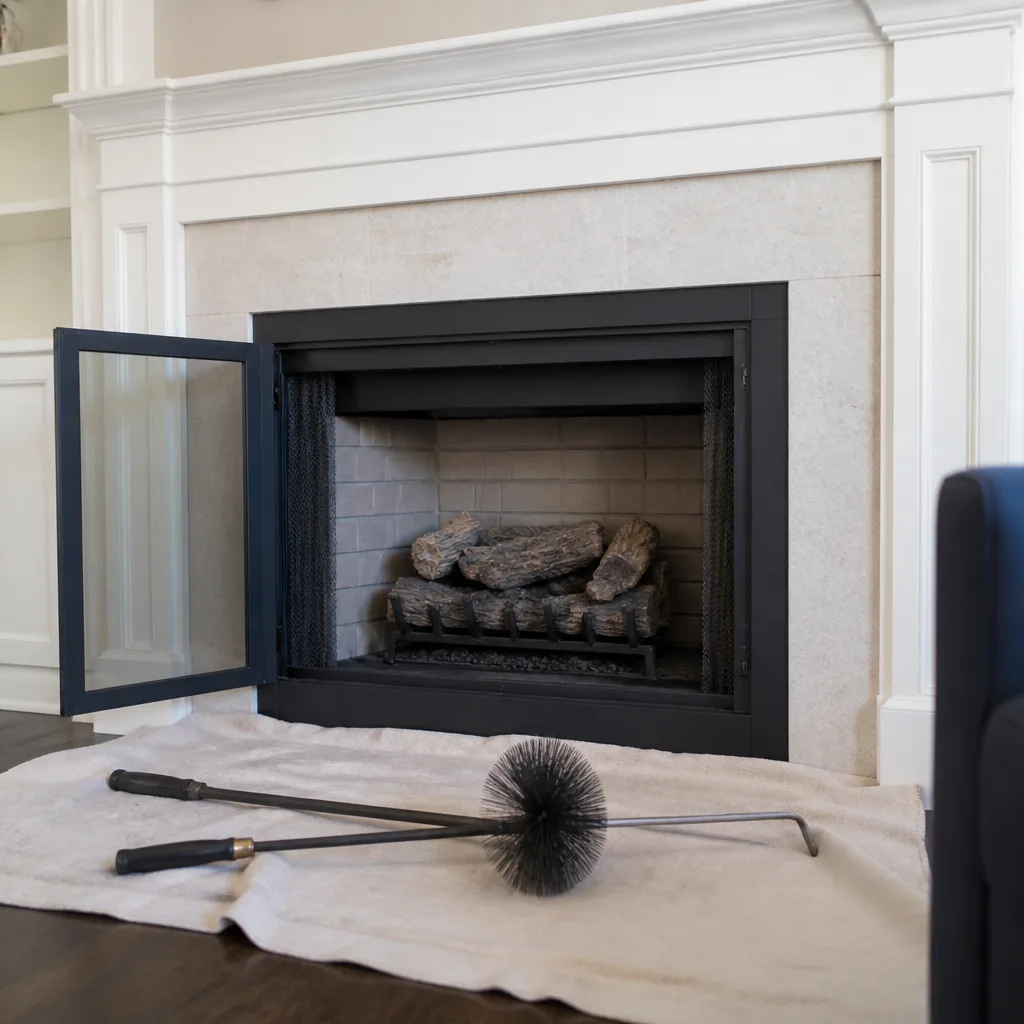
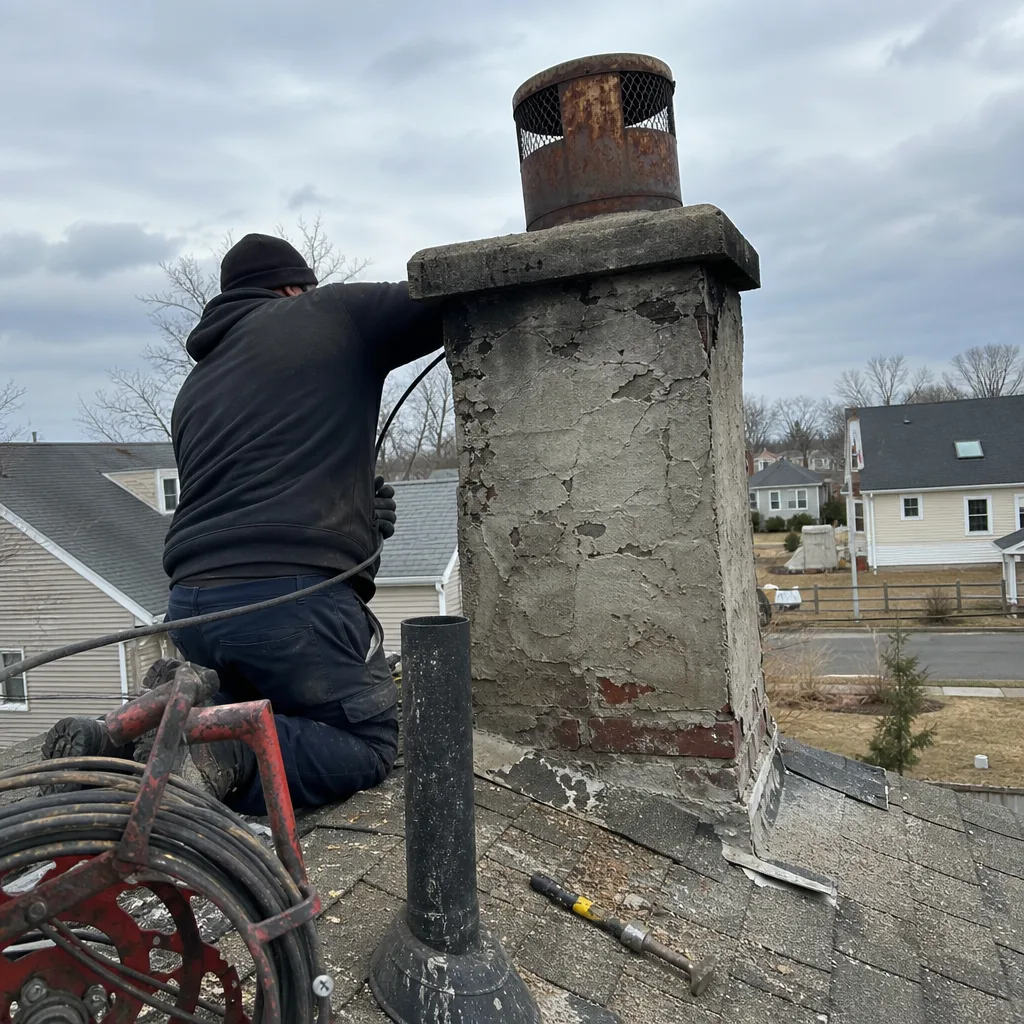
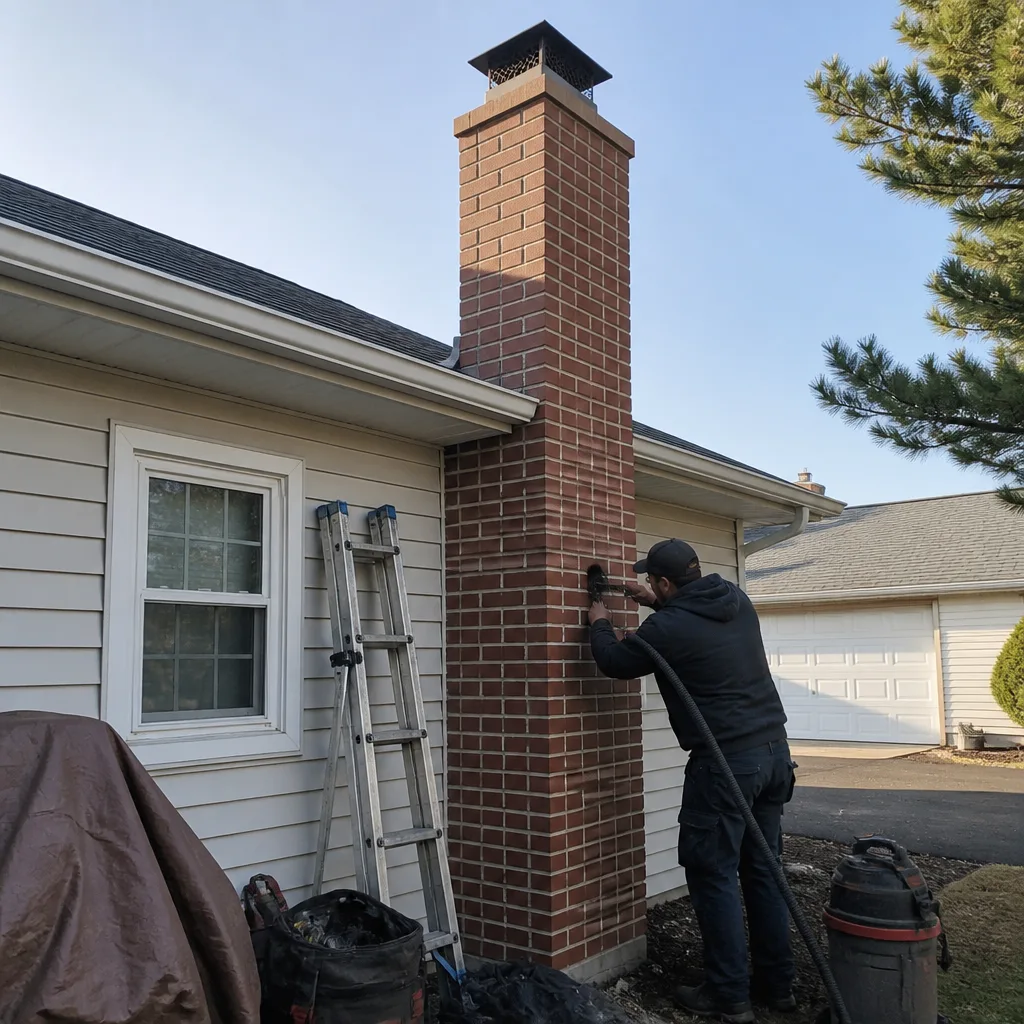
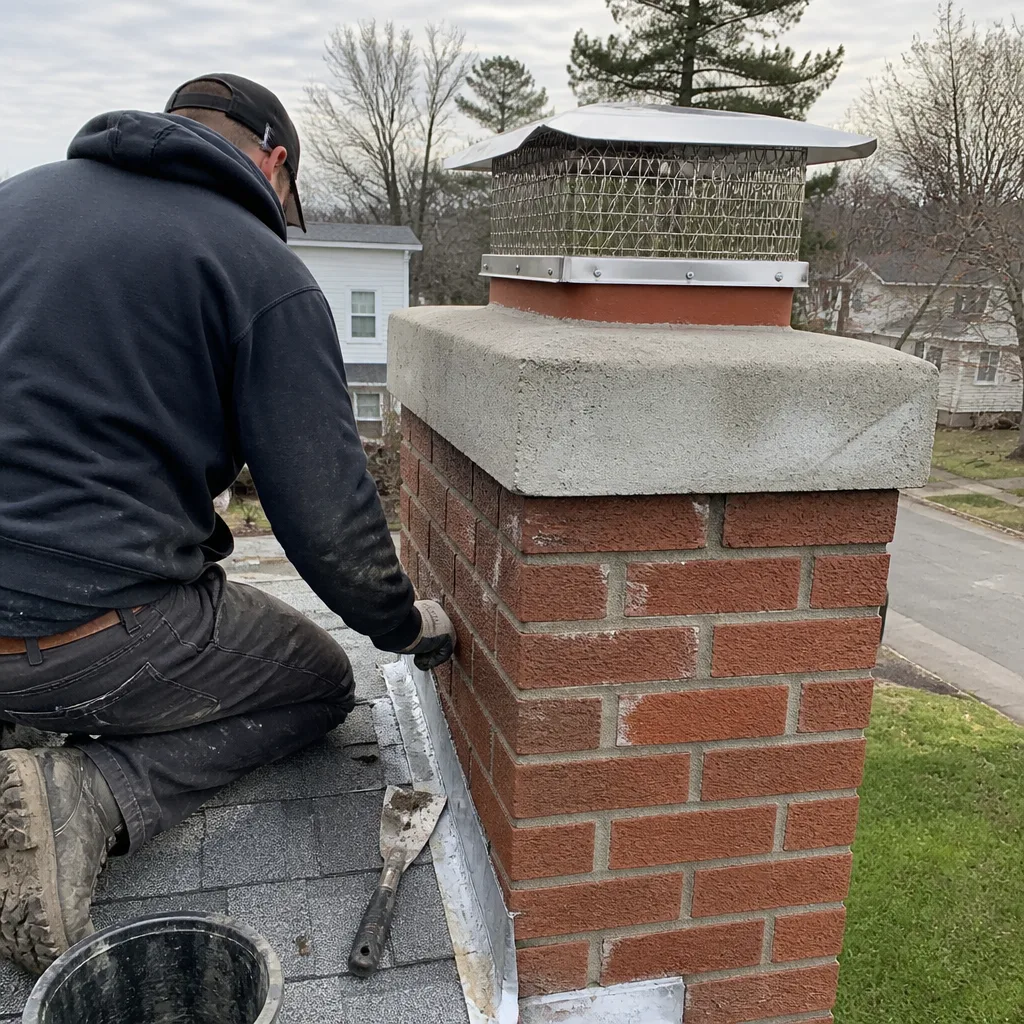
Level 1 sweep and inspection to the NFPA 211 annual standard - flue, crown, cap, and flashing checked and photographed
Chimney sweep logs do not sweep chimneys. They loosen some creosote - which then falls where a brush and vacuum still have to collect it.
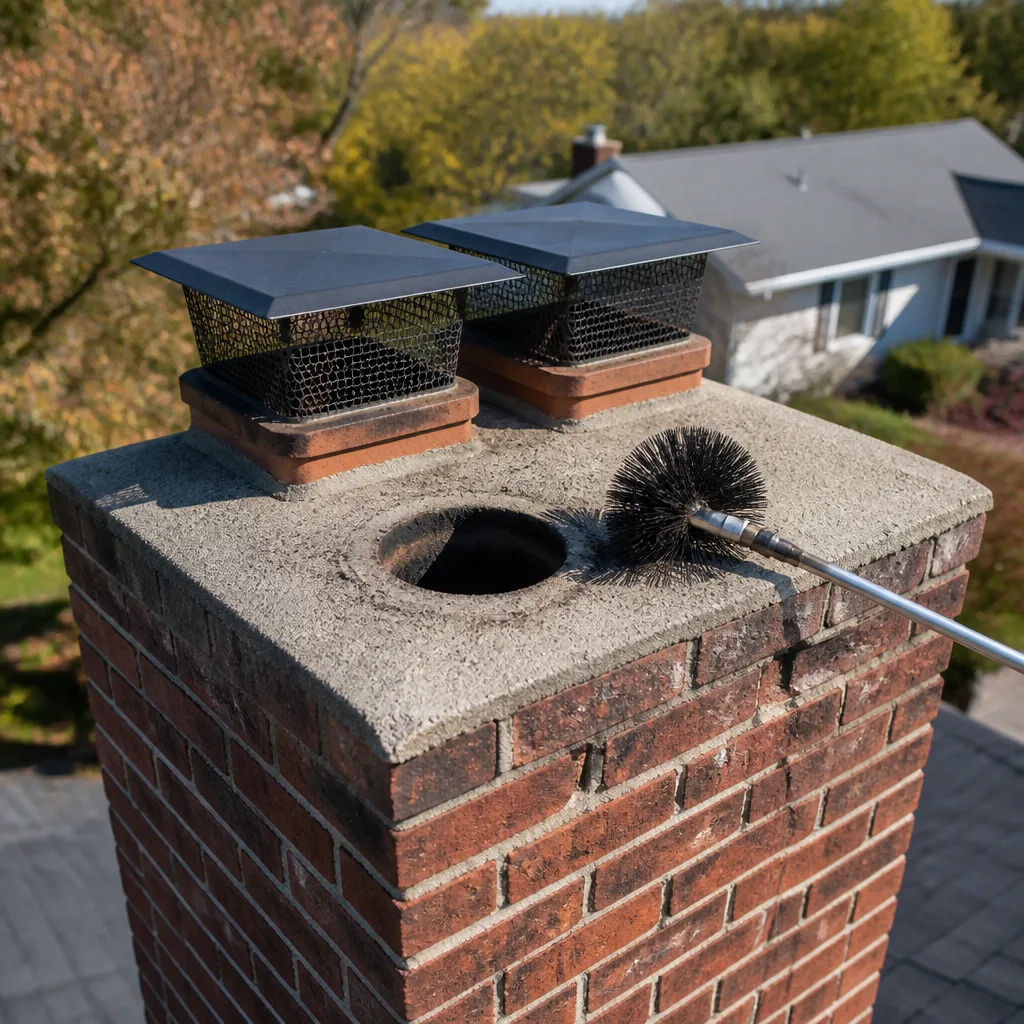
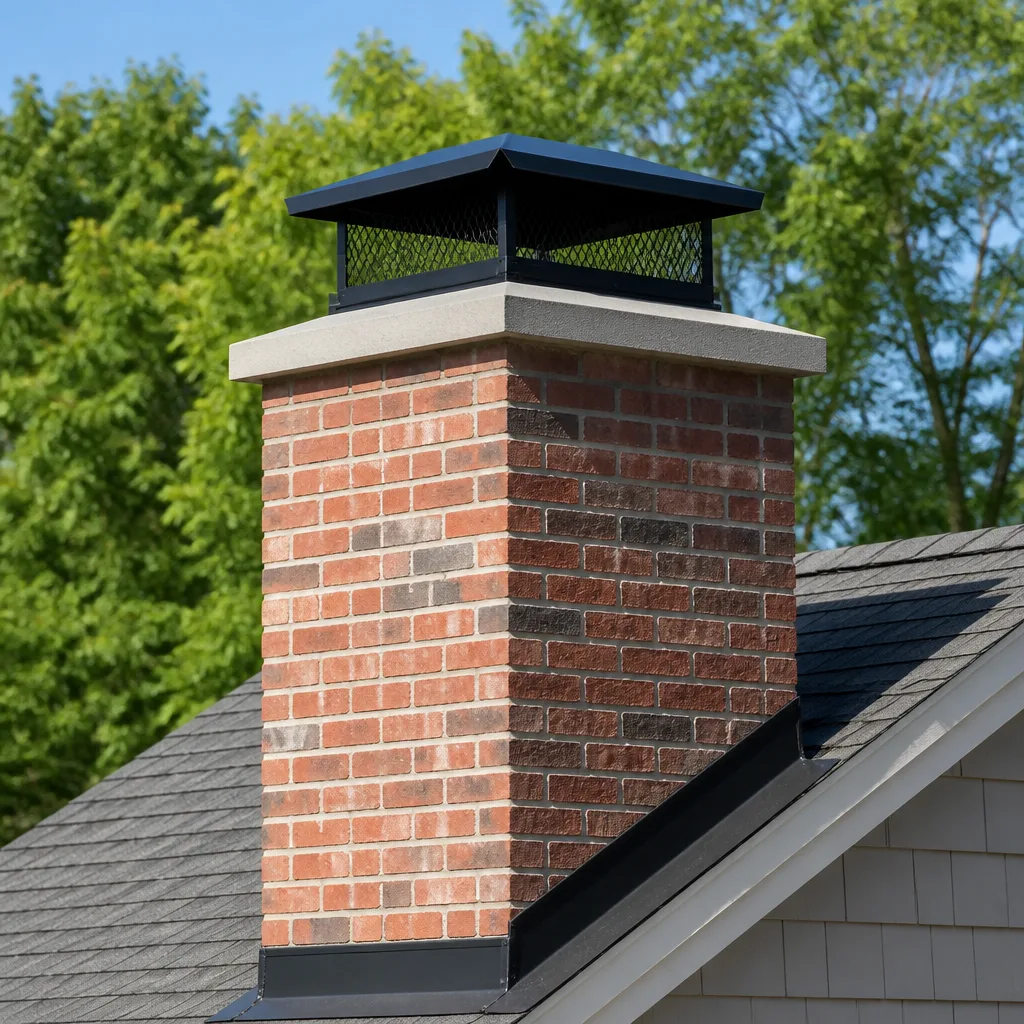
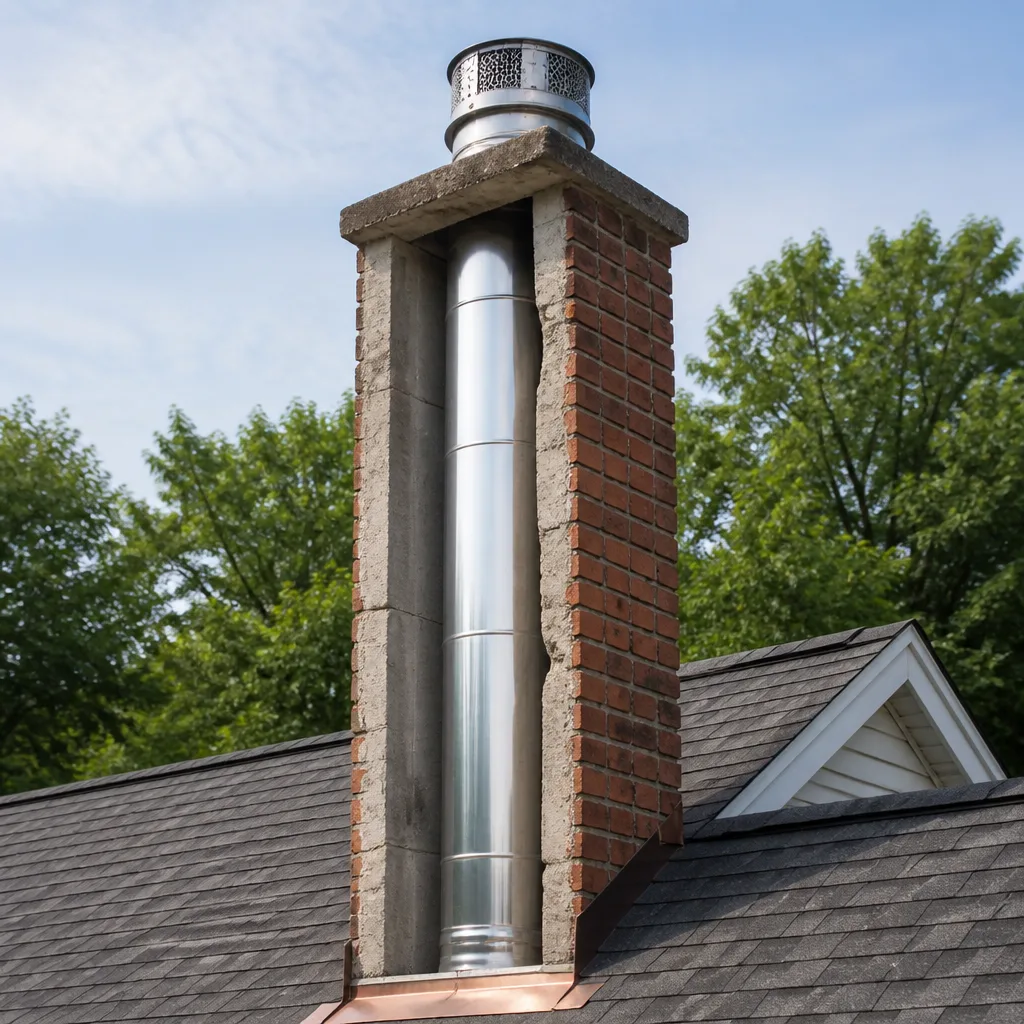
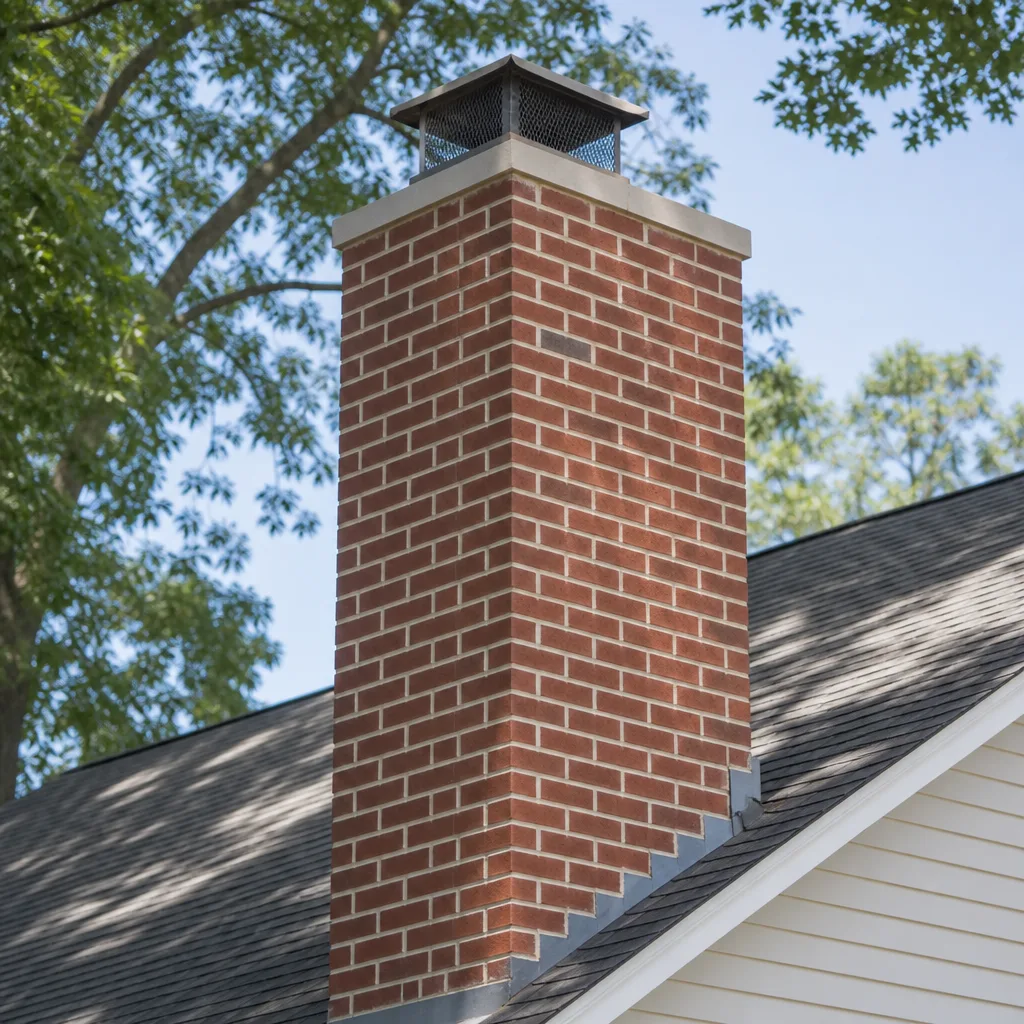
 Before
 After
After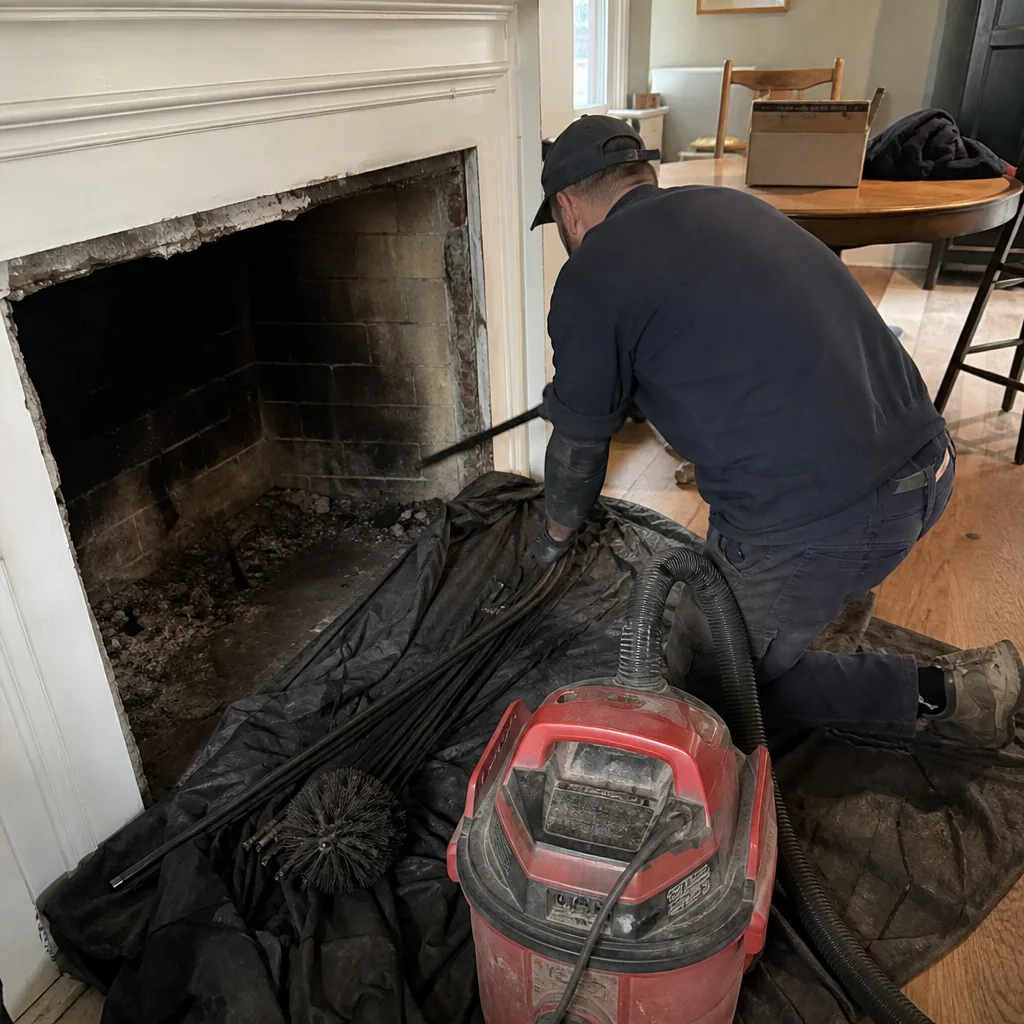 Before
 After
After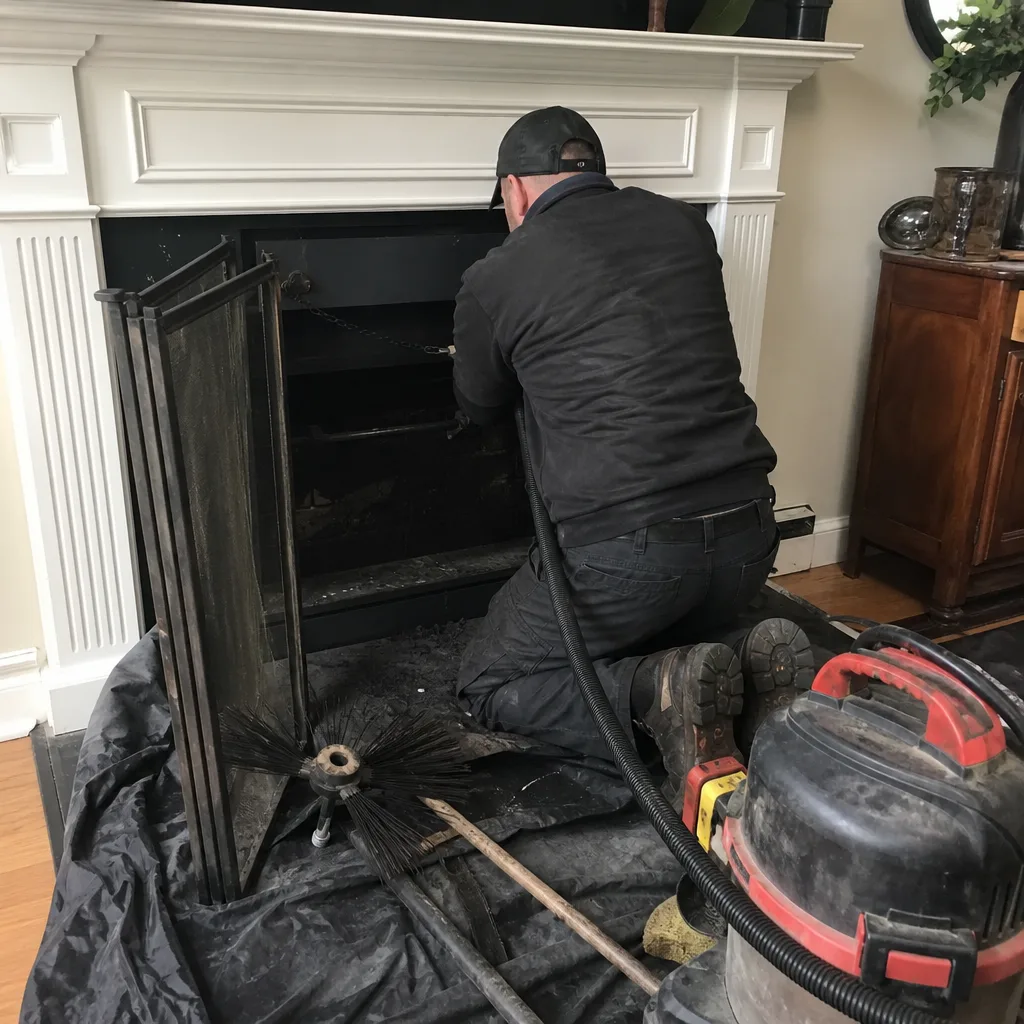 Before
 After
AfterChimney Cleaning Cost Breakdown: The Long Beach Homeowner’s Reference for 2026
That $49 chimney cleaning coupon in your mailbox has a business model, and it has nothing to do with cleaning your chimney. It costs a company more than $49 to put a truck, a technician, and insurance on your street. The coupon exists to get a person through your door who is paid on commission to find $800 worth of “urgent” problems. In 28 years of sweeping chimneys across Long Beach, we have never once seen a legitimate $49 cleaning. Not once. This guide will show you exactly what a real cleaning costs here, what drives the price up or down, and how to spot a low-ball setup before the sweep you don’t know starts telling you about a liner he hasn’t measured but is sure you need. For Chimney Cleaning Warning Signs: A Long Beach Homeowner’s Reference Guide, see our companion post. By the end, you’ll know the number to expect, the number to walk away from, and the questions that separate an honest sweep from a salesperson with a brush.
Quick Answer
A standard chimney cleaning and Level 1 inspection in Long Beach runs $180 to $340 in 2026, depending on flue height, creosote stage, and accessibility. Add a chimney cap replacement and you’re at $360 to $550. A full Level 2 camera inspection, which coastal homes here should get after major storms, typically costs $150 to $300 on top of the cleaning. If you’re being quoted under $99, someone is planning to make their money another way.
Table of Contents
- What a Real Chimney Cleaning Costs in Long Beach in 2026
- What’s Actually Included in a Base Sweep (and What Isn’t)
- Why Long Beach Prices Run Higher Than Inland Quotes
- Inspection Levels 1, 2, and 3: What They Cost and When You Need Them
- The Legitimate Add-Ons: Caps, Dampers, Crowns, and Repointing
- Owner-Operated vs. Franchise: Where Your Money Actually Goes
- The Cost Nobody Budgets For: Deferred Maintenance
- Common Mistakes to Avoid
- When to Call a Professional
- Frequently Asked Questions
- The Bottom Line
What a Real Chimney Cleaning Costs in Long Beach in 2026
Let’s start with the number. For a standard masonry fireplace with one flue, a thorough sweep in Long Beach in 2026 costs $180 to $340. That’s the range we charge at Top Hat Chimney, and it’s the range most honest owner-operated sweeps in Nassau County quote. Here’s the line-by-line breakdown:
- Standard sweep (single flue, first-degree creosote): $180-$240. Brushes, rods, vacuum, drop cloths, full firebox cleanup.
- Second-degree creosote (crusty, flaky buildup): $220-$300. More passes, chemical treatment, extra labor.
- Third-degree creosote (glazed, tar-like): $300-$450. This is a different job. It often requires rotary loop or chemical removal, and sometimes a follow-up visit.
- Two-story chimney or steep roof access: Add $40-$75. Ladder setup, roof harness, more time on the roof.
- Prefab or factory-built fireplace: $160-$260. Usually faster, but components are more delicate.
- Wood stove on a lined flue: $200-$300. Requires removal of the baffle and interior components for proper cleaning.
- Long-unused chimney (5+ years, unknown condition): $250-$380. Expect animal debris, rusted dampers, and a camera inspection before any fire is lit.
These are the numbers for Long Beach specifically. We’re not quoting Hempstead or Freeport. Long Beach homes have a particular profile: older masonry construction near salt water, chimneys that see hard nor’easters, and homeowners who burn more than they think from November through March because the ocean wind gnaws at the thermostat. Your flue doesn’t care how the fire looks. It cares how it breathes. And it breathes harder here.
The biggest variable is creosote stage. First-degree is a brush job. Third-degree is a glaze. Catch it early and a cleaning is a cleaning. Wait three years and you’re paying for a chemical removal process that costs double. We see this every fall in Long Beach when people fire up neglected hearths after several mild winters of ignoring them.
What’s Actually Included in a Base Sweep (and What Isn’t)
This is where quotes fall apart. Two companies quote you $250 and $450 for “a chimney cleaning.” One is going to sweep the flue, hand you an invoice, and leave. The other is going to sweep the flue, inspect the system, document it, and tell you what he saw. They are not the same service.
Here’s what should always be included in a base cleaning price:
- The sweep itself: full-length brushing of the flue, not just the first few feet you can see from the hearth.
- Firebox cleanup: ash, soot, and debris removed, not left for you to vacuum.
- Smoke shelf and damper area cleaning: the spot most sweeps skip and most fires start from.
- Drop cloths and floor protection: a real sweep doesn’t track soot through your living room.
- A visual inspection of accessible areas: the flue, damper, cap, and crown, with a verbal report.
- A Level 1 inspection: this should be automatic, not an add-on. It’s the standard for a chimney being used under the same conditions as before.
Here’s what is legitimately an add-on:
- Level 2 camera inspection: Required when you buy a home, after a chimney fire, after a major storm, or when you’re changing fuel type. Costs $150-$300. We run a camera every time, because the camera footage and a plain-English verdict are what keep people from buying repairs they don’t need. But if a company insists you need a Level 2 on a chimney that’s been serviced regularly and never misfired, walk.
- Chimney cap replacement: $110-$260 installed, depending on size and material. Coastal rust makes this more common in Long Beach than inland.
- Damper repair or replacement: $120-$320. A broken damper isn’t a cleaning add-on. It’s a repair. If it’s broken, that’s a separate line item.
- Water repellent application on the crown or brick: $75-$200. Legitimate preventive work near the coast. Ask to see the product. We use Copperfield products because they hold up against salt air.
- Animal removal: $150-$400 depending on what’s in there and how long it’s been dead. Not a cleaning add-on. A separate service.
If a company folds the inspection into the price quietly and then charges for “extra passes” or “extra brushes,” you’re being charged for their inefficiency. If they tell you the cap must be replaced before they’ll issue a cleaning report, ask to see the camera footage. We give it to every homeowner. Every time. No exceptions.
Why Long Beach Prices Run Higher Than Inland Quotes
You may have seen prices from a Levittown or Garden City company that undercut Long Beach quotes by $50 or more. There’s a reason. Here’s what actually drives legitimate local pricing differences in a coastal barrier island community:
- Salt air corrodes everything faster. Stainless steel caps in Long Beach rust out in 7-10 years where an inland cap lasts 15. That means more cap replacements, more inspections finding surface rust before it becomes a structural problem. The wear is real, and it shows up in the work a sweep actually does when he’s honest with you.
- Nor’easter seasons shorten roof windows. From October through April, a Long Beach sweep is working around wind advisories and rain bands. Roof work takes longer. Long ladders against three-story beach houses are slower, safer setups. Time is money, and the money shows up in the quote.
- Storm inspections are a separate service here, not a courtesy. After Sandy, after the January 2026 coastal low, after any system that pushed water over the boardwalk, homeowners call us to check for water intrusion, cap damage, crown cracks. That’s a camera inspection, and it’s a legitimate line item in a market where the ocean is your uninvited houseguest.
- Older housing stock with original masonry. Much of Long Beach was built between 1910 and 1960. Those chimneys have unlined flues or aging terra cotta liners. They require more care per hour than a 2005 prefab in Melville.
None of this means you should accept a $500 cleaning. It means a $300 quote in Long Beach is often a more honest number than a $99 inland special. The sweep who quotes the higher number isn’t gouging you. He’s quoting the job as it actually is here: salt-crusted caps, wind-whipped crowns, and flues that haven’t seen a brush since the Obama administration.
Inspection Levels 1, 2, and 3: What They Cost and When You Need Them
Chimney inspections come in three levels defined by the National Fire Protection Association. Knowing which one you’re paying for is the difference between a $40 checklist and a $300 camera diagnostic. For full regulatory context, see Chimney Cleaning Permits, Codes & Inspections in NY: What You Need to Know. Here’s the plain-English version:
- Level 1 Inspection: $0-$75 with a cleaning, $75-$125 standalone. A visual check of the readily accessible parts: the flue from the top and bottom, the damper, the cap, the firebox. This is the every-year standard. If you burn regularly and the chimney hasn’t changed, Level 1 is all you need. It’s included with a proper sweep.
- Level 2 Inspection: $150-$300. Everything in Level 1, plus a camera scan of the entire flue interior. Required when you buy a home, when you change the appliance or fuel, after a chimney fire, after a major weather event, or after 5+ years without service. In Long Beach, we recommend a Level 2 after any hurricane-season storm that produced visible water in the fireplace. That’s not upselling. That’s knowing what salt water does to a flue liner over one winter.
- Level 3 Inspection: $400-$1,000+. Everything in Levels 1 and 2, plus opening up a portion of the structure: pulling the damper, removing a portion of the crown, or cutting into the chimney chase. This is rare. It’s for when a Level 2 finds something structurally concerning and you can’t see it from the outside. If a company quotes you a Level 3 during a first visit, ask hard questions. That’s a red flag in most scenarios.
The number one reason homeowners in Long Beach get talked into the wrong inspection level is that the sweep doesn’t explain the difference. You should never pay for a Level 3 when a Level 2 camera scan would have answered the question. And you should never accept a cleaning without at least a Level 1. The camera footage and a plain-English verdict should be the standard. We run a camera on every job and show you what we see, whether you asked for it or not. That’s not a premium feature. That’s the minimum for someone charging you $250 to work on the one thing in your house designed to contain fire.
The Legitimate Add-Ons: Caps, Dampers, Crowns, and Repointing
Some of what gets labeled an “upsell” is actually necessary maintenance. The trick is knowing which is which. Here’s an honest breakdown of the add-on costs you’ll hear about in Long Beach, and when they’re real:
- Chimney cap replacement: $110-$260 installed. A good cap keeps rain, birds, and downdrafts out. Near the ocean, caps rust. If yours is rusted through or pulling away from the flue, that’s a real repair. We install Famco and Copperfield caps because we’ve seen cheaper brands fail in three years of salt exposure. If a sweep says your cap is “marginal,” ask for the photo. A marginal cap can usually wait a season. A rusted-through cap cannot.
- Damper repair or replacement: $120-$320. The damper is the cast-iron door above your firebox. When it warps from heat or rusts from salt air, it stops sealing. You’ll feel the draft on a cold night. A replacement is a machine part swap. It should come with a quote before the work starts, not after the cleaning is done.
- Crown repair: $150-$400. The crown is the concrete slab on top of the chimney. Cracks let water in, and water is the enemy of every chimney in Long Beach. Hairline cracks can be sealed. Large cracks or a crumbling crown need repointing or a full recast. This is the kind of repair that can honestly be deferred six months with a sealant patch, but it shouldn’t be deferred five years.
- Repointing brick: $15-$35 per square foot of masonry, usually $500-$1,200 for a typical chimney. When the mortar joints between bricks start to crumble, the chimney loses structural integrity. Salt air accelerates this. A reputable Chimney Repair in Long Beach quote will break this out per square foot, not as a single “masonry work” line item. That breakdown is how you verify you’re not being charged for resurfacing the whole chimney when two joints need work.
Then there’s the liner conversation. A stainless steel liner replacement in Long Beach runs $3,500 to $7,500 depending on flue height and access. That’s a big number, and it’s the number the $49 coupon guys are hunting for. We install DuraFlex liners and we’ve used HeatShield resurfacing products when the original flue is salvageable. But here’s what we tell every homeowner before a liner quote: you get to see the camera footage. If the camera shows cracked terra cotta and gaps between tiles, the liner is a real conversation. If the camera shows surface spalling but intact structure, we tell you it can wait. No one should quote you a liner without showing you why. Ever.
Owner-Operated vs. Franchise: Where Your Money Actually Goes
Here’s the math that explains why a Long Beach owner-operated sweep can charge $250 and make a living, while a national franchise charging the same $250 is losing money. The owner-operated sweep has no marketing department, no franchise royalty (usually 7-10% of gross), no central dispatch center, no corporate office lease in a suburban office park. He has a truck, insurance, brushes, a camera, and a phone that he answers himself.
Wendell started sweeping chimneys in 1999. He answers his own phone. The number you hear on the phone is the number on the invoice because there’s no sales manager between you and the guy with the brush. When a national outfit sends a technician, that technician is often working against a daily revenue target. His job is to find repairs. It’s not that he’s dishonest. It’s that his paycheck depends on the upsell. When Wendell and his crew show up at your door in Long Beach, their job is to clean the chimney and tell you the truth about what they see. The cameras came off the truck because we want you to see the same thing we see.
That’s why the local quote sometimes looks higher on paper and costs less in practice. The franchise quotes $149 to get the truck to your door, then “finds” a $600 damper that a local sweep would have told you can wait two years. Ask anyone on your street who’s had both. The stories are the same. The franchise sent a stranger who changed the price at the door and was unreachable afterward. The local guy left a card, told you to call if the draft felt wrong, and answered when you did. That’s the difference between a business that’s been serving local communities for over 29 years and a truck that’s here for one season.
The math is simple: an owner-operated sweep at $250 per hour of skilled labor is charging you less for the actual work than a franchise at $149 that’s paying a technician $22, a dispatcher $18, and a franchise fee on top. The franchise isn’t cheaper. It’s just better at hiding where the money goes.
The Cost Nobody Budgets For: Deferred Maintenance
This is the section homeowners skip because it’s not about what a cleaning costs. It’s about what not cleaning costs. And it’s the most important math in this guide.
Let’s use plain numbers. A standard annual cleaning and inspection in Long Beach costs about $250. Over five years, that’s $1,250. That’s the prevention budget.
Now let’s price the alternative. You skip the cleaning for five years. Here’s what we typically find when we finally get the call:
- Third-degree creosote glaze removal: $350-$450, sometimes requiring two visits.
- Rusted cap replacement (salt air did its work while you weren’t looking): $150-$250.
- Cracked crown from freeze-thaw cycles: $300-$500 if caught now.
- Damper replacement from moisture and rust: $200-$320.
- Level 2 camera inspection because the flue hasn’t been seen in five years: $150-$300.
- If the flue shows damage: a liner quote at $3,500-$7,500.
Best case, the skipped five years costs $1,150 to $1,820 to bring the system back to safe condition. That’s roughly what the regular cleanings would have cost anyway, except now you’ve lost five years of fires and you’re paying it all at once. Worst case, a chimney fire from glazed creosote, and the masonry repair bill starts at $4,000. The camera doesn’t show you the fire that almost happened. The fire shows you the camera.
Once a year, burn or no burn. Chimneys break in the off-season too. Salt air doesn’t take summers off. The $250 cleaning is the cheapest maintenance contract on your entire house, and it’s the only one that involves a controlled fire. Budget it like you budget your oil change, because the failure cost is a different order of magnitude.
Common Mistakes to Avoid
- Falling for the $49 coupon. No legitimate Long Beach chimney cleaning costs $49. The coupon is a lead-generation cost for a company that plans to make its margin on “discovered” repairs. When the technician arrives, he’s already underwater on his own wage, truck cost, and insurance. He has to find something. That’s the business model.
- Booking a cleaning without asking what’s included. Two $250 quotes are not the same service. Ask: Is the Level 1 inspection included? Is the firebox cleaned? Does the price cover the whole flue, top to bottom? If the person on the phone can’t answer, that’s your answer.
- Accepting a liner recommendation without camera footage. A liner is a $3,500 to $7,500 decision in Long Beach. No one should ask you to make it without showing you the flue on camera. If the sweep says your terra cotta liner is cracked but can’t show you the crack, get a free second opinion on any written estimate.
- Waiting until fall to book. Every Long Beach chimney company backs up from September through December. If you wait until the first cold snap, you’ll either wait three weeks for a cleaning or feel pressure to accept whatever company has availability. Book in spring or summer when the work gets the time it deserves.
- Ignoring the cap because it’s “just a cover.” In Long Beach, the cap is doing more work than any other component. It keeps salt spray, rain, and the neighborhood osprey out of your flue. A rusted cap is a problem you can see from the ground. Don’t wait for the sweep to tell you.
- Not asking about the company’s reputation on your street. Ask anyone on your street. The best Long Beach chimney sweep is the one your neighbors already trust. This is a word-of-mouth business in a word-of-mouth town, and a company that’s been serving the same communities since 1999 has a reputation you can check over a fence in five minutes.
- Skipping the inspection because the fire “looks fine.” Your flue doesn’t care how the fire looks. It cares how it breathes. A beautiful fire can be drafting through a flue with cracked tiles and creosote glaze. The fire tells you nothing about the system. The camera does.
When to Call a Professional
You should call for a Chimney Cleaning & Sweep in Long Beach if you burn more than a cord of wood a year and haven’t had the flue swept in 12 months. You should call sooner if you smell smoke in the house after the fire dies down, if you see dark staining on the chimney exterior, if the damper won’t fully open or close, or if water appears in the firebox after a heavy rain. If you hear animals in the flue, don’t light anything. Call first. Fireplace Services in Long Beach covers more than the chimney: gas log sets, firebox repairs, and masonry work all fall under the same umbrella of things that should be handled by someone who knows how the whole system works together. Top Hat Chimney offers free estimates in Long Beach. Call (631) 378-3317 and you’ll get a live person, not a voicemail box, and an honest number before a single tool comes off the truck.
Frequently Asked Questions
A standard chimney sweep with Level 1 inspection costs $180 to $340 in Long Beach in 2026, with most homes falling around $220 to $280. The price depends on creosote level, flue height, and roof accessibility. Call (631) 378-3317 for a quote specific to your house. Estimates are free.
Only if a camera inspection shows cracked tiles, separated joints, or a flue that’s no longer safely containing the fire and its gases. In Long Beach, we see liners that are 60 years old and still serviceable, and liners that failed after 15 years because moisture and salt air got in. You should never accept a liner recommendation without seeing the camera footage. Get a free second opinion on any written estimate before you spend $3,500 to $7,500.
Once a year, burn or no burn. This isn’t about how much you use the fireplace. It’s about what the coastal climate does to your chimney while you’re not looking. Salt air corrodes caps, freeze-thaw cycles crack crowns, and animals move in during the off-season. An annual sweep catches these problems when they’re $150 repairs instead of $5,000 rebuilds.
Creosote builds up along the flue walls. First-degree creosote is a brush job. Third-degree is a glaze. If you skip long enough for the glaze to form, a stray spark from a festive fire can ignite it. A chimney fire burns hot enough to crack terra cotta liners and ignite nearby framing. In the best case, you’re out $1,000-$2,000 for glaze removal and component replacement. In the worst case, the house is on the news. The annual $250 cleaning is the cheapest insurance you’ll ever buy.
Because they’re not quoting the same job. One company quotes a bare flue sweep and plans to upsell the inspection, the firebox cleanup, and every repair as a separate line item. Another company quotes the full job: sweep, inspection, cleanup, and honest repair recommendations with camera evidence. The franchise outfits also carry franchise fees, marketing departments, and dispatch centers that the owner-operated sweep doesn’t pay for. Ask what’s included and you’ll see why the numbers don’t match.
Yes. A Level 2 camera inspection costs $150 to $300 and tells you whether the chimney you’re about to own needs a $250 cleaning or a $6,000 liner. In Long Beach, where half the housing stock predates 1960 and salt air has been working on the masonry for decades, this is one of the best $300 you’ll spend during escrow. We do these for homebuyers all the time, and we show you the footage so you can make the decision with your own eyes.
The Bottom Line
In Long Beach, a real chimney cleaning costs $180 to $340, and it includes a Level 1 inspection, firebox cleanup, and an honest report of what the sweep saw. The reason quotes vary so wildly is that companies are quoting different jobs: a bare flue pass versus a complete system service. The owner-operated sweep with a published name and a camera is almost always the better value, even when the quote looks higher at first glance, because the franchise’s $99 special is a purchase order for problems it plans to find. Budget $250 a year, book it in the spring, and ask to see the camera footage. Browse more guides & resources to protect your home. If the sweep can’t show you, that’s not a sweep. That’s a sales pitch with a brush.
Ready to get the flue checked before burning season? Call Top Hat Chimney at (631) 378-3317 for a free estimate in Long Beach. No trip charge inside the county. Upfront pricing before any work begins. And a 90-Day Done Right Promise in writing on every single job.
Written by Wendell Pike, Owner at Top Hat Chimney, serving Long Beach since 1999.