
Last updated September 10, 2026
Level 1 sweep and inspection to the NFPA 211 annual standard - flue, crown, cap, and flashing checked and photographed
Chimney sweep logs do not sweep chimneys. They loosen some creosote - which then falls where a brush and vacuum still have to collect it.
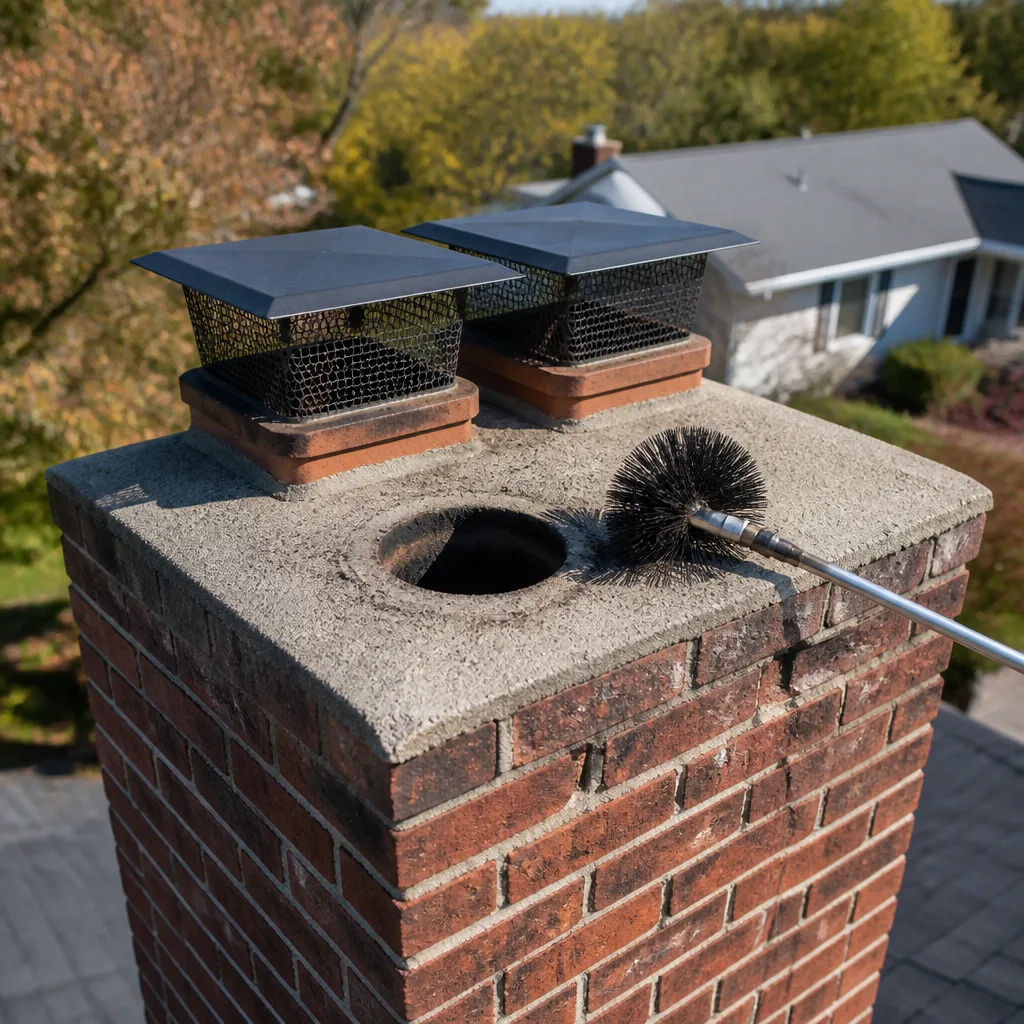
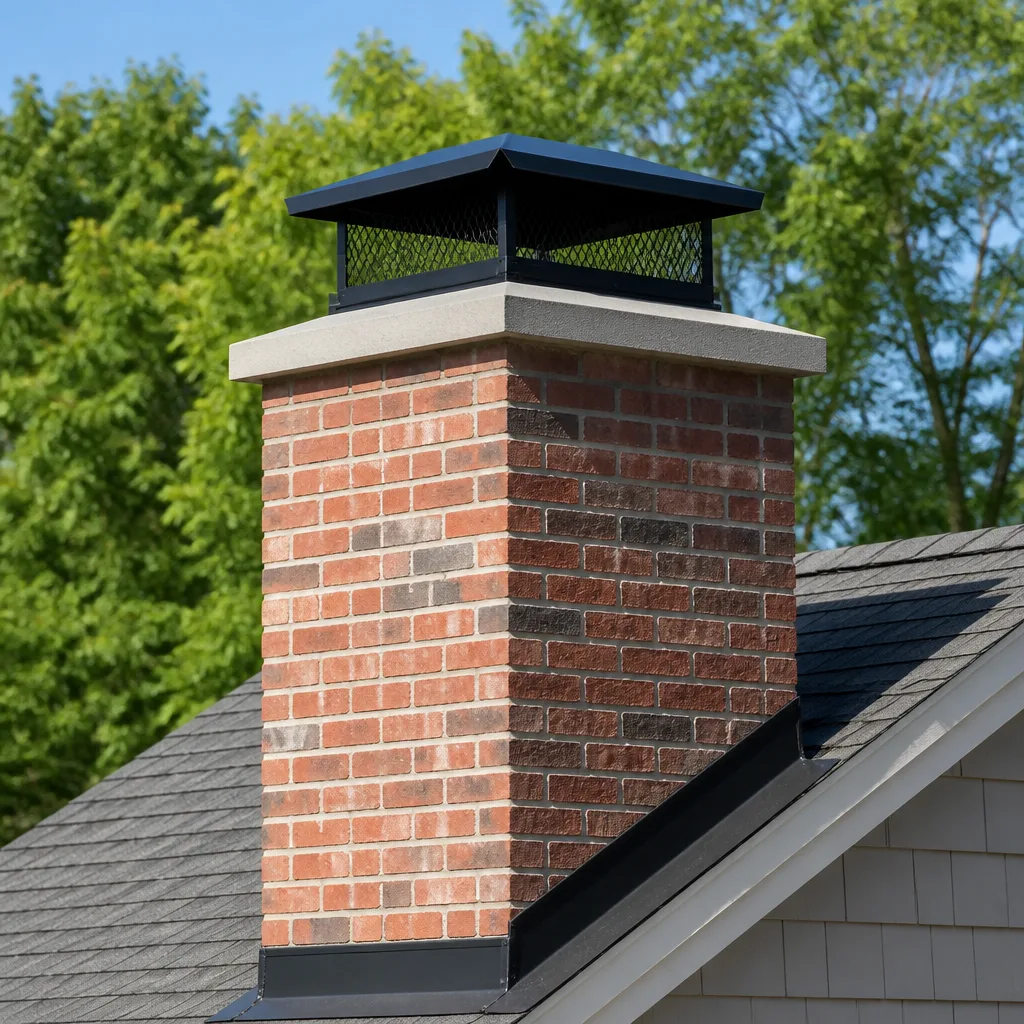
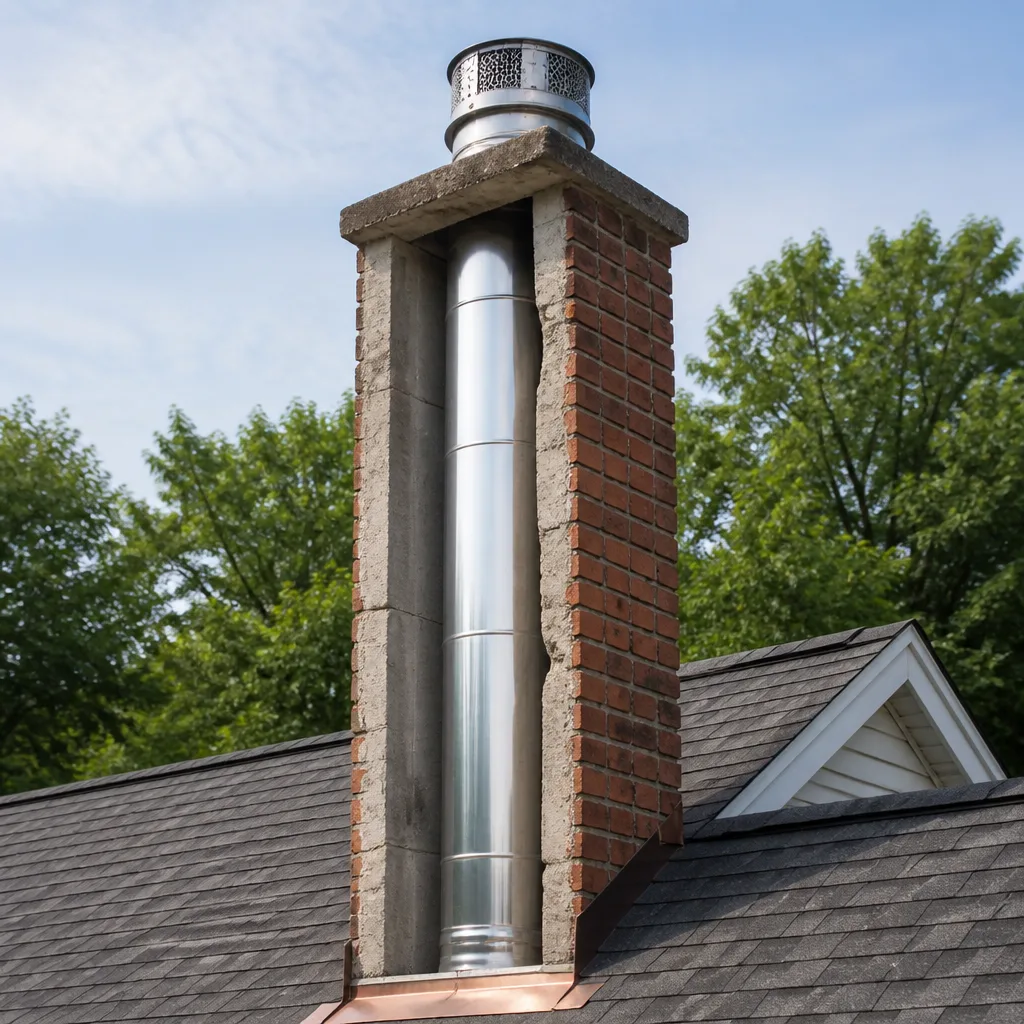
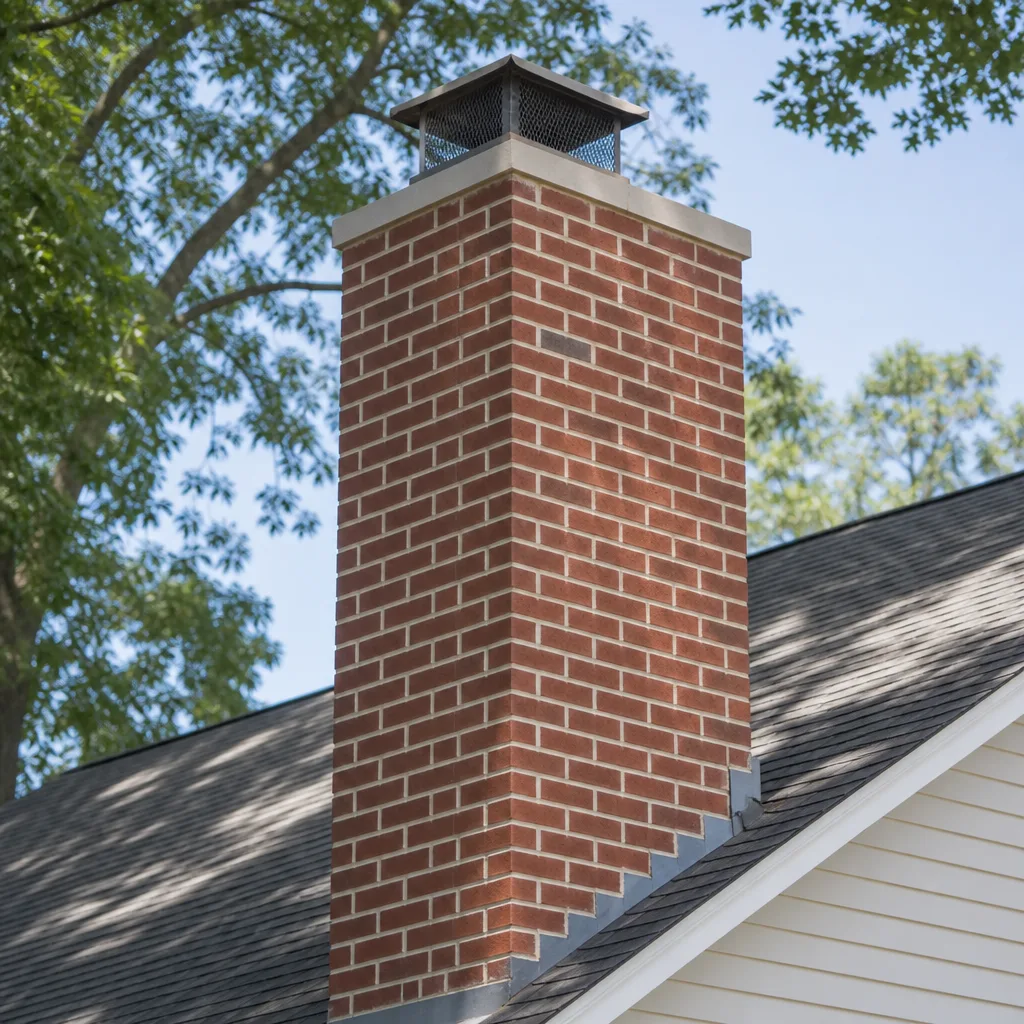
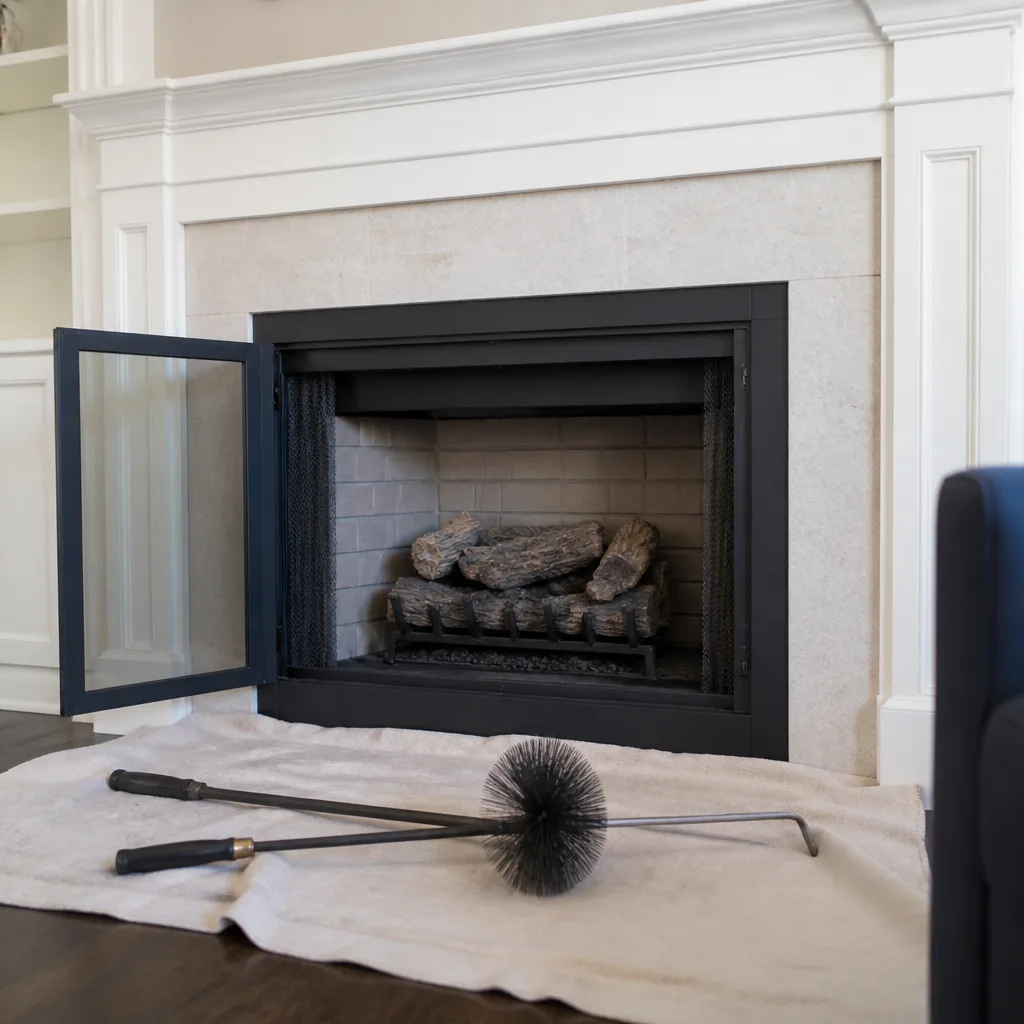
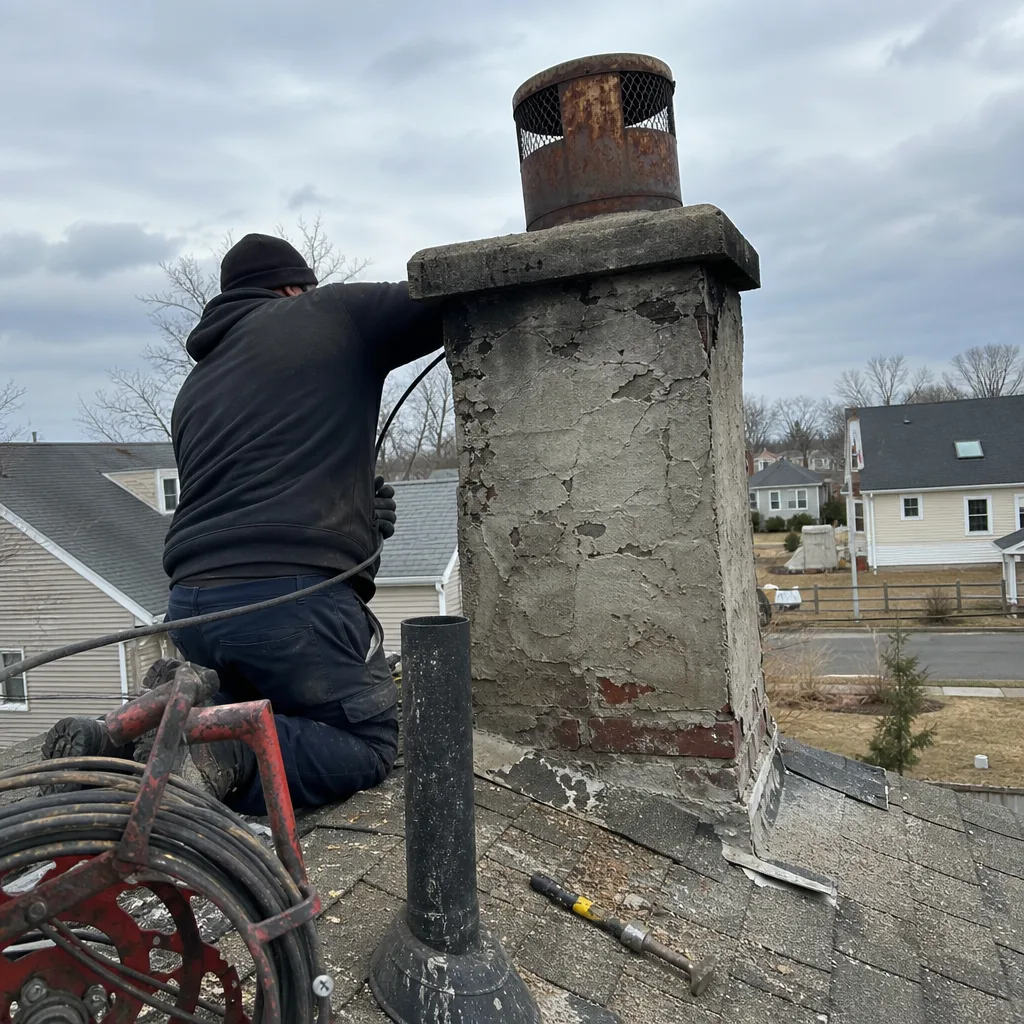 Before
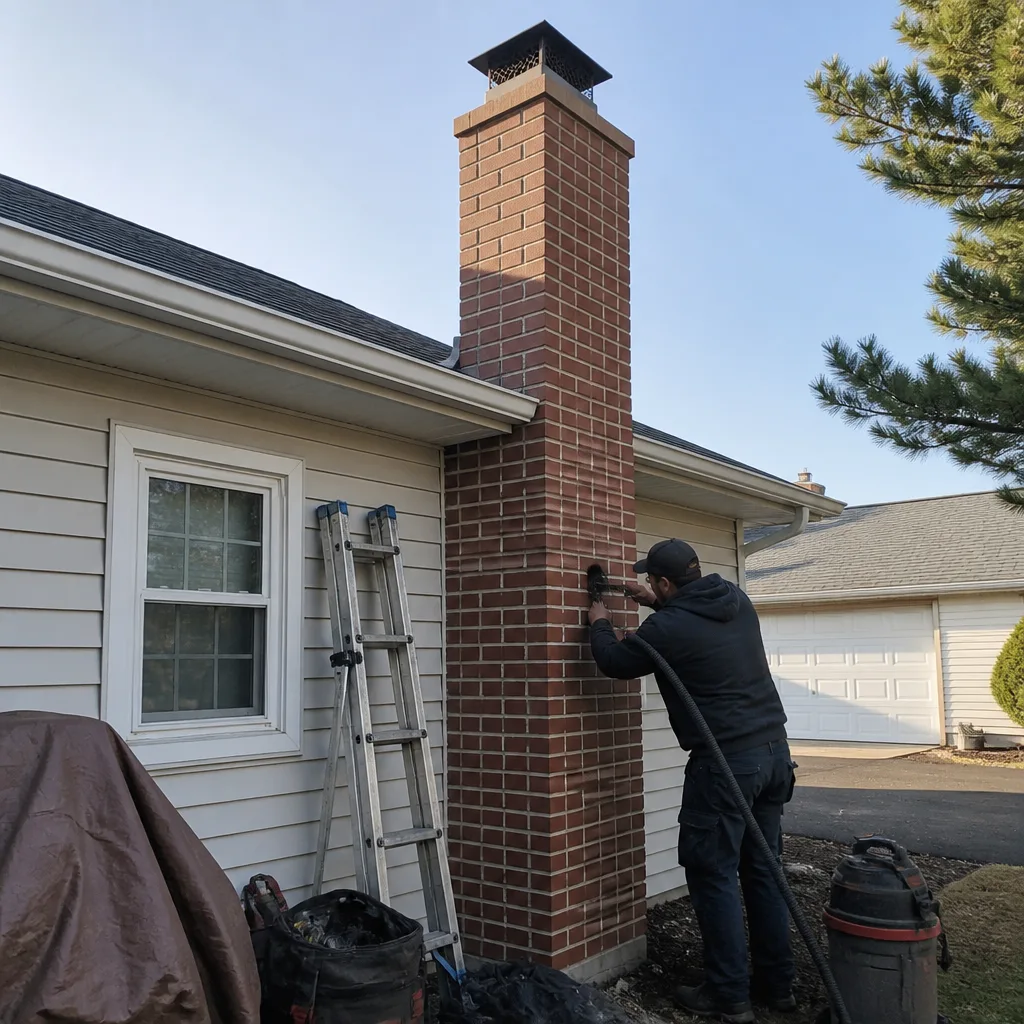 After
After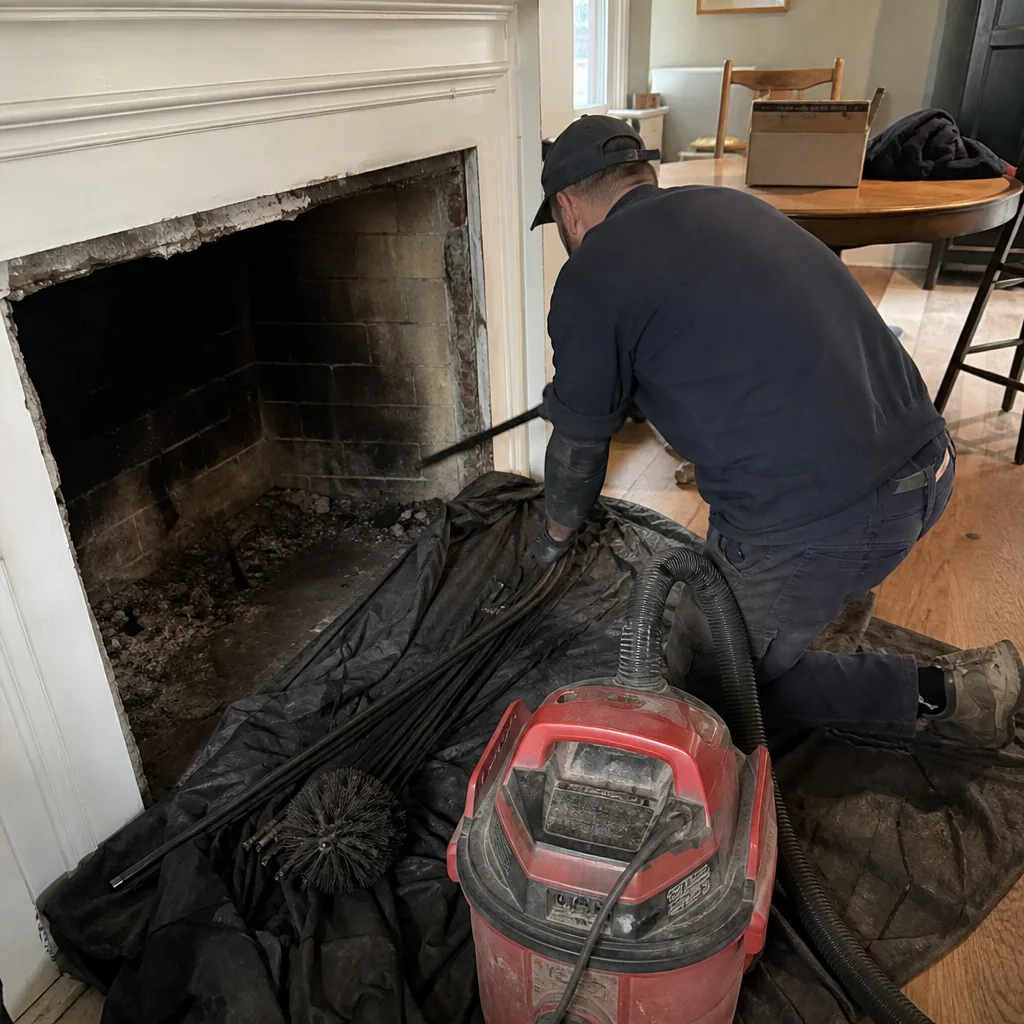 Before
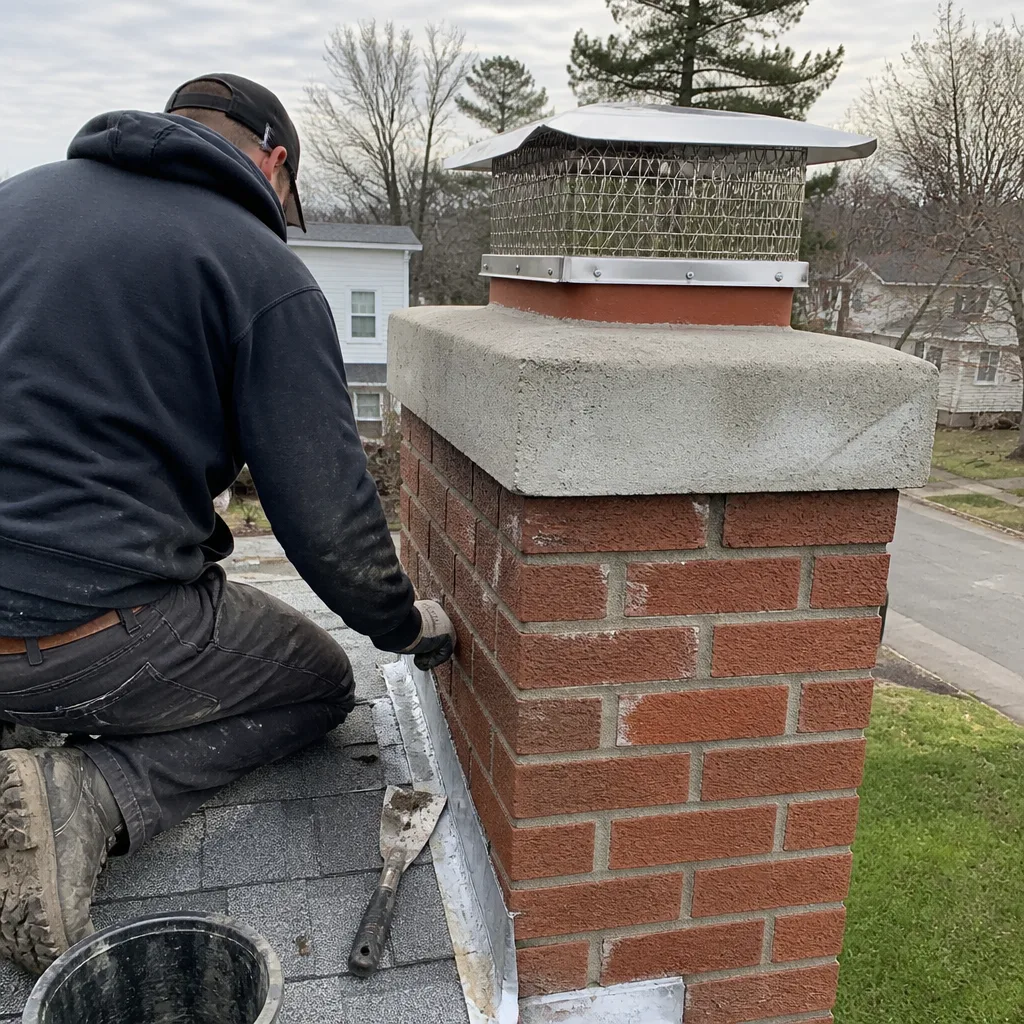 After
After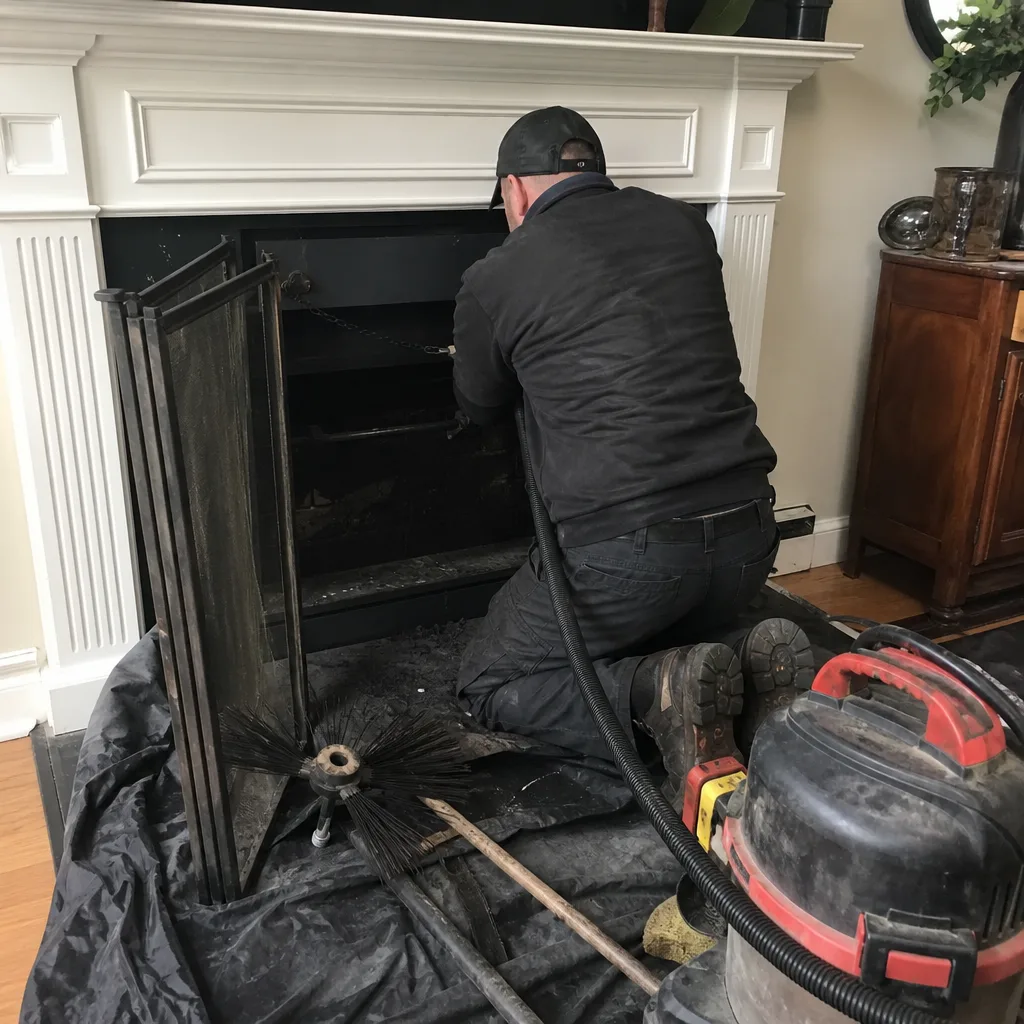 Before
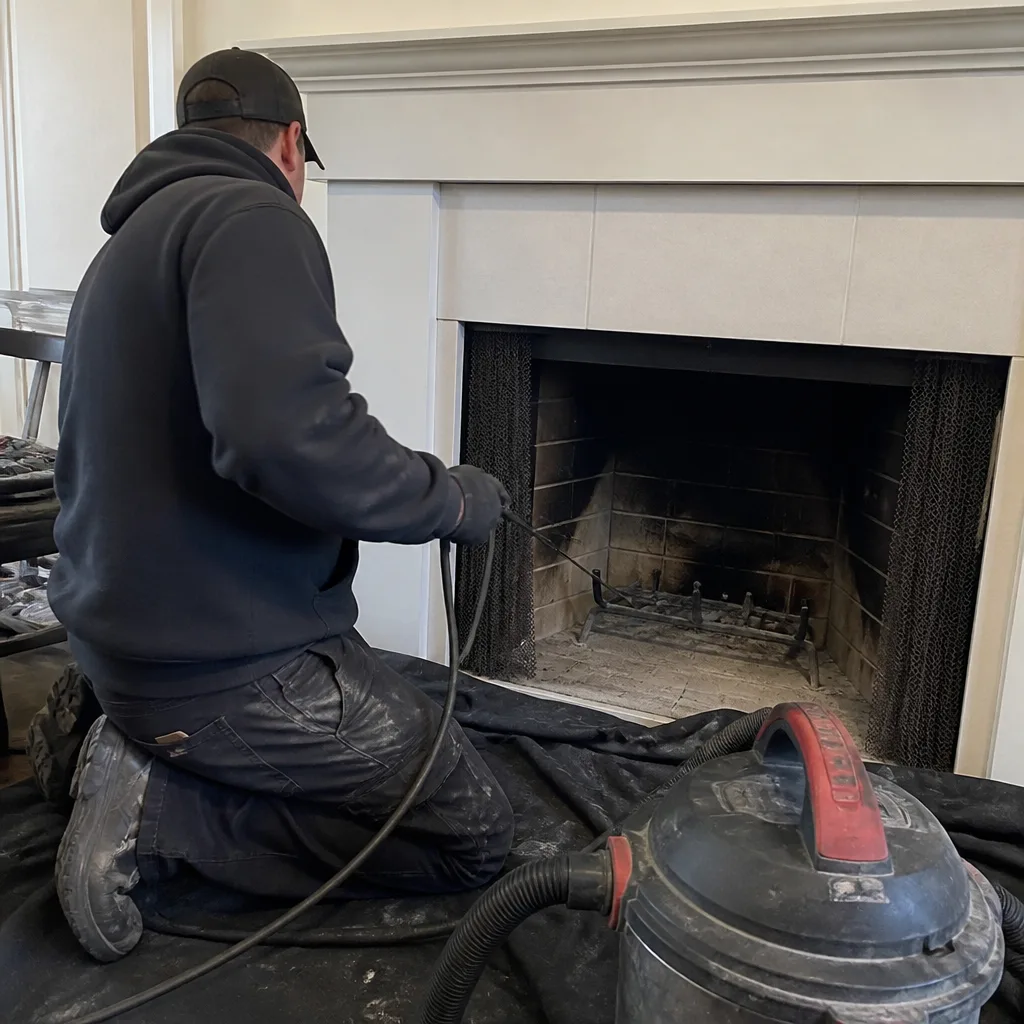 After
AfterChimney Cleaning Warning Signs: A Long Beach Homeowner’s Reference Guide
White staining on the outside of your chimney isn’t a cosmetic issue. It’s efflorescence, which means water is moving through your masonry right now, and in a Long Beach winter, that’s the beginning of a spalling problem. Most of what goes wrong with a chimney announces itself quietly, months or even years before it becomes a fire or a four-figure liner job. This guide walks you through the specific warning signs that matter in Long Beach, NY, which ones mean “schedule a cleaning when convenient” and which ones mean “don’t light another fire until this is looked at,” and how to photograph and describe what you’re seeing so you can get an honest answer over the phone. For a deeper dive into proper maintenance, see The Complete Guide to Chimney Cleaning in Long Beach.
Quick Answer
Chimney warning signs fall into three buckets: what you see outside the house (white staining, rust streaks, a leaning cap), what you notice inside the house (smell, smoke rolling into the room, dust on the mantle), and what you can hear or touch (drafts, damp spots on the wall behind the fireplace). In Long Beach, the salt air and coastal wind accelerate a few problems that national guides skip entirely, including cap screen collapse and rust-colored streaks from salt corrosion. The short version: a sharp campfire smell after a rain is creosote glazing and needs a chimney sweep soon, while an exhaust smell inside the living room while the fireplace is lit is a draft or obstruction problem that means stop using the fireplace until a professional looks at it.
Table of Contents
- Warning Signs Outside the House
- Warning Signs Inside the House
- The Smell Guide: Three Smells, Three Different Problems
- Long Beach-Specific Warning Signs You Won’t Find in National Guides
- Triage: Schedule Soon vs. Don’t Use It Until Someone Looks
- How to Photograph and Describe a Warning Sign
- What Actually Happens If You Ignore Each Warning Sign
- Common Mistakes to Avoid
- When to Call a Professional
- Frequently Asked Questions
- The Bottom Line
Warning Signs Outside the House
Start with what you can see from the sidewalk. You don’t need a ladder or a drone. In Long Beach, the most useful inspections happen from your driveway, looking up.
Almost every untreated chimney will fail from the top down. That’s because the cap, the crown, and the top few courses of brick take the worst of the weather. The crown is that concrete slab on top that sheds water away from the flue. The cap covers the flue opening itself. Both are working hard in a coastal climate where you’re getting salt spray, high wind, and freeze-thaw cycles all in one season.
Here’s what to look for, and what each signal actually indicates:
White or chalky staining on the brick
This is efflorescence, white mineral deposits left behind when water moves through masonry and then evaporates. It’s not harmful by itself, but it tells you water has already found a path into the brick. In Long Beach, where the humidity cycles sharply off the ocean, you may notice efflorescence that appears and fades with the weather. That cyclical pattern means moisture is actively moving, not just a one-time old stain from a past storm. The source is nearly always a cracked crown, a missing cap, or deteriorated mortar joints. If the staining concentrates on one side of the chimney, look there first.
Rust-colored streaks running down from the crown or cap
Rust stains mean metal is corroding somewhere above the staining. Most often it’s the rain cap, the cap screen, or the old metal flue liner. You may also see rust if a galvanized cap was installed years ago and the salt air has finally eaten through it. This matters because a rusted-out cap no longer keeps out rain, and a rusted-through liner is one step from needing replacement. If the rust stains are bright and fresh after a storm, the metal is actively failing.
Spalled brick: brick faces that have popped off, leaving a rough, porous interior
Spalling is what happens when water inside the brick freezes and forces the face off. The brick then becomes softer and more absorbent, and the process accelerates. You’ll see flakes of brick on the roof or on the ground at the chimney base, and the exposed brick will look darker and rougher than the surrounding face. Brick spalling in a coastal town like Long Beach isn’t a cosmetic issue; it’s structural because the chimney is now slowly shedding load-bearing mass. Left long enough, spalled brick progresses to a leaning chimney.
Chunks of mortar missing between bricks
Mortar joints erode faster than brick, especially on the weather side of the chimney. Run your thumb along a joint you can reach and you’ll know immediately if it’s sound; sound mortar feels solid, while failing mortar crumbles under light pressure. Missing mortar interrupts the water-shedding surface. Instead of running off, water follows the gaps and soaks into the masonry. Repointing, which is replacing the outer layer of mortar, addresses this before the damage spreads behind the brick.
A tilted or off-kilter chimney cap or crown
If the cap looks like it’s sitting at an angle, or the crown has a visible crack running corner to corner, you’re looking at freeze-thaw damage or wind load from coastal storms. A cracked crown lets water pool and then seep directly into the flue and masonry below. In Long Beach, the ocean wind is a real structural force. Thirty-plus mile-per-hour gusts are ordinary in winter, and a loose cap screen or storm collar will rattle, shift, and eventually fail.
Warning Signs Inside the House
Most people assume the fireplace is fine if the fire burns and the smoke goes up. That’s half of the real picture. The warning signs inside the house are often more specific and more urgent because they reflect what’s happening in the flue, which is the part you can’t casually inspect.
Smoke rolling back into the room instead of up the flue
This is never normal, including on windy days. A properly drafting chimney pulls combustion gases out of the house even in a coastal wind. If smoke enters the room when you light a fire, the system is telling you something directly. The most common causes are a cold flue at startup (air blockage from a column of cold, dense air), an obstructed flue (a nest, dead bird, or heavy creosote buildup), or a draft-reversal problem where the house is too tightly sealed for replacement air to enter. One occasional puff during the first minute could be cold-flue draft delay; consistent smoke is a problem. Either way, this is not a “wait and see” condition.
Damp or warm spots on the wall or ceiling around the chimney
In Long Beach winter storms, water leaking around a chimney often shows up on interior walls first. You may feel a damp patch on drywall, or see paint bubbling or a faint brown watermark in the ceiling near the chimney. That’s water that has already made it through the flashing, the crown, or the masonry and is running down the interior. Ignore this and you get mold inside the wall cavity plus structural damage to framing and lath. If the wall directly behind the fireplace feels unusually warm while a fire burns, that’s a different problem: a missing or damaged firestop or a liner that has lost its insulation, placing heat too close to combustibles.
Flakes of creosote or black dust falling into the firebox
When a chimney liner hasn’t been cleaned for a while, creosote builds up in layers. As temperatures cycle, those layers can crack and flake, and gravity brings the pieces down into the firebox or onto the smoke shelf. You’ll see black, shiny bits that look like charcoal or oil. This is a direct signal that the liner is carrying a significant creosote load. Take note of the texture. Flaky, black pieces are first and second degree creosote, which respond to brushing. Tar-like, glossy chunks suggest third-degree creosote, which has hardened into a glaze and requires more aggressive mechanical removal or chemical treatment.
Excessive soot or dust on the mantle, furniture, or walls within a few feet of the fireplace
Some dust around a wood-burning fireplace is normal. A fine, dark soot that appears on surfaces after every fire is not. It usually indicates that combustion airflow is wrong, either the flue is partially obstructed, the damper is not opening fully, or the chimney is too short for the coastal wind pattern around your house and cannot maintain a stable draft. Long Beach homes vary a lot in chimney height and roofline, and a chimney that ends too close to a taller neighboring roofline or a large tree line will naturally struggle with crosswind downdrafts.
Animals inside the chimney
Scratching, fluttering, chirping, or a sudden strong animal smell from the fireplace usually means a bird, squirrel, or raccoon has taken up residence. Squirrels and raccoons are especially common in Long Beach neighborhoods with mature oaks and maples within jumping distance of a roof. A nesting animal brings twigs, leaves, fur, and often feces into the flue. Those materials block the flue and become fuel if you light a fire. If you hear an animal, do not start a fire. Wait until the animal leaves, or have a professional remove it, and then address the missing or damaged chimney cap that allowed entry in the first place.
The Smell Guide: Three Smells, Three Different Problems
Your nose is the most honest instrument you own for diagnosing a chimney. These three smells mean three different things, require different responses, and are commonly confused.
- A sharp, acrid, campfire-like smell, especially after rain. This is creosote. Even if the fire looks clean, the liner is coated in creosote residue, and when humidity rises, creosote absorbs moisture and off-gasses. Rain and coastal damp amplify the smell because the air is full of moisture. First-degree creosote is a brush job. Third-degree is a glaze. Catch it early and it’s a routine cleaning; let it harden and it becomes a mechanical removal project. If you smell this, schedule a chimney cleaning and sweep in Long Beach sooner rather than later.
- A musty, damp, basement-like smell from the firebox. This is moisture intrusion, not creosote. Water has found its way into the chimney and is sitting somewhere in the masonry or in the firebox itself. Often you’ll notice this smell in spring and summer when the chimney is idle. The cause is a leaking cap, a cracked crown, or failed flashing. A cleaning will not fix this. You need the source of the water addressed, which may mean cap replacement, crown repair, or repointing.
- An exhaust or smoky smell inside the house while the fire is burning. This is the one to take seriously. It means combustion gases are not exiting the way they should. The smell often resembles car exhaust or unburned wood smoke, and it may be accompanied by visible haze in the room. This points to a draft failure, an obstruction, or a structural issue with the flue. Stop using the fireplace and call someone. Carbon monoxide is invisible and odorless, but the smell of smoke is a proxy that the system is not venting correctly.
Long Beach-Specific Warning Signs You Won’t Find in National Guides
National chimney guides are written for a generic climate. Long Beach, New York has its own set of stressors that show up as specific warning signs. If you’re reading this from Long Beach, East Atlantic Beach, Point Lookout, Lido Beach, or island area streets, these are the signs to watch for.
Rust-colored streaks that broaden from the top down after January storms
Salt in the ocean air accelerates corrosion on every metal component of a chimney: caps, screens, flashings, chase covers, and liners. A galvanized cap that would last 15 years in an inland climate can fail in 7 to 10 years on a Long Beach rooftop. What you’ll see is a rust stain that starts at the cap and runs down the brick, growing wider each winter. If the cap is designed to keep rain out and it’s rusted through, every coastal storm is now funneling water down the liner and onto the smoke shelf.
Cap screen collapse from coastal wind load
The mesh screen around a rain cap serves two jobs: it keeps embers from escaping and keeps animals out. In Long Beach, these screens take a beating from sustained onshore winds. The failure pattern is specific: one side of the screen collapses inward, then flaps and rattles, and eventually the rest follows. Once a screen has failed, it becomes an obstruction hazard since a section of wire mesh can fall into the flue or partially block the opening. If you hear metal rattling from the roof during a winter blow, the screen may already be compromised.
Efflorescence that cycles with humidity off the ocean
Most of the country sees efflorescence as a one-time event following a heavy rain. In Long Beach, the same staining may appear after a muggy August week, fade in a dry spell, then reappear in late fall. This pulsing pattern is a sign that water is moving through the chimney in response to ambient humidity, not just direct rain. That movement, repeated over years, is what causes mortar erosion and spalling in coastal masonry. Repeated efflorescence, even without visible cracks, means the chimney is absorbing water on a regular cycle.
Coastal storm flashing failure
Flashing is the metal that seals the seam where the chimney meets the roof line. In storm-prone areas, flashing takes repeated direct hits from wind-driven rain, and it fails differently than in drier climates. Instead of a simple tear, you may get lifted flashing that water slips behind during sideways rain but looks fine on a dry day. The telltale is a ceiling watermark that appears only after specific storms when the wind came from a particular direction. If you have a leak that seems random, it may be a directional flashing leak tied to coastal storm wind patterns.
Triage: Schedule Soon vs. Don’t Use It Until Someone Looks
The single most useful habit for a Long Beach homeowner is learning which warning signs allow you to keep using the fireplace safely and which require an immediate stop. If you’re weighing whether to tackle maintenance yourself or call in a pro, our DIY vs Professional Chimney Cleaning: The Long Beach Homeowner’s Decision Guide can help. Here’s an honest triage framework, built from what Wendell and his crew see across South Shore communities every winter.
Schedule a cleaning or inspection soon (no need to panic)
- Black flaky creosote visible in the firebox. A basic sweep handles this. Keep using the fireplace if the smoke is drawing normally, but book the cleaning soon.
- Mild creosote smell on humid days. It’s telling you the liner is dirty, not that it’s dangerous. Get it cleaned this month, and the smell will mostly disappear.
- White efflorescence or light surface staining. This is a water entry signal, but it usually progresses slowly. Schedule an inspector who can identify the water source, but don’t expect an emergency. If the crown has a visible crack, that’s the likely culprit and a repair within the season is appropriate.
- Rust on a cap or screen, no visible damage to masonry below. The cap is aging and should be replaced before the next winter storm season, but the rest of the chimney is likely fine.
Stop using the fireplace and call before you light again
- Smoke consistently rolling back into the room. This is a draft failure, and you don’t know yet whether the cause is a simple cold-start issue or a blocked flue. Either way, the system is not venting properly.
- Exhaust smell inside the living space while a fire burns. Same reasoning. Combustion gases are not leaving the house, and that’s a carbon monoxide risk.
- Animal sounds from the chimney. You may have a blocked flue with nesting material. Do not burn.
- Damp spot or active water leak on the ceiling or wall near the chimney. This can wait a few days while you schedule an inspection, but don’t keep using the fireplace until the leak source is understood.
- Spalled brick that’s concentrated in one area near the top or bottom of the chimney. This may be largely cosmetic if caught early, but if the spalling is deep or widespread, the chimney’s structural stability should be assessed.
How to Photograph and Describe a Warning Sign
When you call a chimney sweep, the person on the phone isn’t in front of the chimney. They’re trying to understand what you’re seeing from your description. You can make that conversation a hundred times more productive with two minutes of work beforehand. Not sure who to call? Read How to Hire a Chimney Cleaning Contractor in Long Beach: A Step-by-Step Guide first.
- Take three photos from the ground. One wide shot showing the whole chimney and the roofline, one close-up of the specific warning sign, and one of the chimney base or firebox interior if the issue is inside. Use your phone’s zoom for the close-up, and keep your hand steadied against the house or fence post if needed.
- Take a close-up of any stains with something for scale. A coin or a key works. This tells the sweep whether the rust streak is a thin line or a six-inch-wide band that has been growing for years.
- Note the direction the stain or damage faces. Long Beach coastal wind and weather approach primarily from the south and southeast. If your damage is on the north face, the cause might not be weather exposure. This directional information matters.
- Write your description like this: “I see rust streaks on the southeast face of my chimney, running from under the cap down about two feet. The cap itself looks rusted through in the corner. I also noticed some white staining around the middle courses on the same side after a wet week in January.” That description tells a professional the probable cause, the severity, and whether the issue is active or old.
- If it’s a smell complaint, describe the weather. “Creosote smell, strongest after the rain last Tuesday” tells the sweep this is a moisture-activated creosote odor, which usually points to a dirty liner and is solved by cleaning. “Exhaust smell inside the living room last night while we had a fire going” is a completely different problem and should be treated with more urgency.
Photograph and describe a problem like this, and a good sweep can often tell you over the phone whether you need a visit, what it’s likely to cost, and whether you can keep using the fireplace meanwhile. At Top Hat Chimney, you’ll get that honest phone assessment without pressure for a site visit when one isn’t warranted. The number is (631) 378-3317, and a live person answers.
What Actually Happens If You Ignore Each Warning Sign
It helps to know the natural history of these problems, unvarnished. Not to scare anyone into unnecessary work, but to show that early action at the right time prevents a much more expensive action later.
- Ignored efflorescence leads to spalling. Water moves through masonry, salt crystals form, and freeze-thaw cycles push the brick faces off. Once spalling begins, the moisture has established deep channels. Repair shifts from crown repair and repointing to partial rebuilds. On a Long Beach chimney, a crown repair might run a few hundred dollars. A partial rebuild runs into the thousands.
- Ignored creosote buildup hardens into a glaze. First-degree creosote brushes off. Third-degree creosote is a tar-like, heat-reactive layer that requires rotary cleaning heads or chemical breakdown, and it is far more difficult to remove. It also creates the highest chimney-fire risk because it is the most combustible form. The difference between first and third degree is usually one or two untreated seasons.
- Ignored flashing leaks rot the roof decking. Water that enters around the chimney doesn’t stay there. It spreads into the attic, soaks the sub-roof, and creates a moisture problem that renovators hate. By the time you see the ceiling stain, the decking below the flashing may have been wet for months. Flashing repair is cheap compared to structural roof repair.
- Ignored animal entry leads to flue blockage plus cap replacement. Once a squirrel or raccoon establishes itself, the litter accumulates. You’ll need animal removal, a full chimney cleaning and sweeping in Long Beach, and cap replacement all in sequence. The animal is not the root cause; the damaged cap or missing screen is.
Common Mistakes to Avoid
- Assuming no fire means no chimney problem. Once a year, burn or no burn. Chimneys break in the off-season too. Water intrusion, animals, and masonry deterioration happen regardless of whether you light a fire, and they often accelerate when the fireplace is cold and unused.
- Treating efflorescence as a cleaning chore rather than a water entry signal. Scrubbing white stains off with a wire brush removes the symptom and leaves the source intact. The water is still moving through the masonry, and next season the stains come back larger.
- Ignoring a slight smoke-back problem because “it’s always done that.” A chimney that has never drafted well may simply have been built too short or in a bad wind location, but a chimney that drifts from occasional back-puff to regular smoke rollback is worsening. The change, not the severity, is the signal.
- Burning manufactured logs without checking the damper first. These logs burn differently than cordwood and can smolder, producing more creosote in a shorter time, especially if the damper isn’t fully open or the flue is already partly loaded. If you use them regularly in Long Beach, get your chimney inspected more often, not less.
- Calling a roofer for a chimney leak before understanding where the water enters. Roofers see flashing as the likely culprit; masons see the crown. Sometimes both are involved. Get the diagnosis first, ideally with camera inspection, before paying for work based on a guess from a single trade.
- Using the fireplace after an animal has nested in the flue. The instinct is to “smoke them out.” The reality is that the nest may fully block the flue, creating a chimney fire or a carbon monoxide backup. Wait until the animal leaves and the flue is cleaned before lighting another fire.
- Postponing a cap replacement because the cap “still looks okay from the ground.” The critical part of a cap is the mesh and the underside, which you can’t see from below. If the cap is more than ten years old and has faced Long Beach salt air, it deserves a close look even if it appears intact from the sidewalk.
When to Call a Professional
Call a professional when you see a warning sign that you cannot identify, when any smoke or exhaust has entered the living space, when an animal has moved in, when a leak has reached an interior wall or ceiling, or when a structural issue like spalled brick or a leaning cap is visible from the ground. This is also the point at which the camera matters. Top Hat Chimney offers free estimates in Long Beach, and every inspection includes camera footage and a plain-English verdict, so you know exactly what needs doing and what can safely wait. Call (631) 378-3317. Wendell and his crew have worked these streets since 1999, and the phone will be answered by a live person, any time of day.
Frequently Asked Questions
Once a year, even if you rarely burn. The recommendation for Long Beach mirrors the national standard but is somewhat more urgent because the salt air and coastal humidity accelerate corrosion and creosote hardening. Even an idle fireplace collects moisture, animal intrusion, and debris. An annual chimney cleaning and sweep in Long Beach keeps the liner clear and lets you catch early warning signs before they become structural problems. Call (631) 378-3317 to schedule a sweep - estimates are free.
A standard chimney sweep in Long Beach generally runs between $180 and $350 depending on the access, the level of creosote, and whether the fireplace has been maintained. That’s the kind of number you should hear upfront, not after the work. At Top Hat Chimney, you get a clear price before a single tool comes off the truck, and that number is what you’ll see on the invoice. Call (631) 378-3317 for an exact quote - estimates are free.
Sometimes, but not as often as national outfits might suggest. In Long Beach, a stainless steel liner can be destroyed by salt corrosion over a long period, or damaged by a chimney fire, or simply deteriorated with age if it’s an old clay tile liner. The honest test is a camera inspection. If the liner is intact and the joints are sound, you don’t need replacement, regardless of what a sales-heavy company told you. If the camera shows cracks, gaps, or corrosion holes, replacement becomes necessary for safety. Top Hat Chimney works with trusted brands like DuraFlex, HeatShield, and Copperfield, and you’ll see the camera footage for yourself before any liner recommendation is made.
Maybe nothing in the short term, and that’s why people skip it. But if you burn regularly, creosote accumulates. First-degree creosote brushes out easily; third-degree is a hardened glaze that’s harder to remove and far more combustible. Within one or two skipped seasons, a routine cleaning can turn into a more involved mechanical removal, and with it, a jump in cost. In a salt-air climate like Long Beach, additional moisture in the chimney accelerates the oxidation of metal caps and liners, so the inspection part of the visit matters as much as the cleaning itself. Call (631) 378-3317 to schedule your sweep - estimates are free.
The direct indicators are an exhaust smell inside the house during or after a fire, smoke rolling back into the room, or a flue that is visibly obstructed. Any one of those means combustion gases are not leaving the house properly, and carbon monoxide is a possibility. Install a carbon monoxide detector in the same room as the fireplace on every level of the house, and evacuate if it sounds. The chimney side of prevention is an annual inspection and flue cleaning. If you’ve noticed any of these signs, call (631) 378-3317 and Wendell’s crew will take a close look.
Both, and older chimneys are the majority of what Wendell sees across Long Beach. A chimney built in the 1940s or 1950s will have clay tile liners, mortar joints that are decades old, and likely a cap and crown past their service life. Those chimneys respond well to repointing, cap replacement, liner repair with HeatShield or a new DuraFlex liner, and careful maintenance. The best way to understand an older chimney’s condition is a camera inspection and an honest conversation about what needs doing now and what can wait.
The Bottom Line
Most chimney warning signs are slow, quiet signals that get ignored for a season or two until they become a liner replacement, a structural rebuild, or a fire. The homeowner’s best move is simple: know which signs are urgent and which are routine, and photograph what you see before you call. For more guides & resources on keeping your chimney safe through every season, explore our blog. In Long Beach, the coastal climate adds salt corrosion, wind load, and humidity cycling to the usual list, so a chimney that would be fine in an inland climate may need attention earlier. Your flue doesn’t care how the fire looks. It cares how it breathes. Once a year, burn or no burn, let someone take a look. Call Top Hat Chimney at (631) 378-3317 for a free estimate, and a live person will answer.
Written by Wendell Pike, Owner at Top Hat Chimney, serving Long Beach since 1999.