
Last updated September 10, 2026
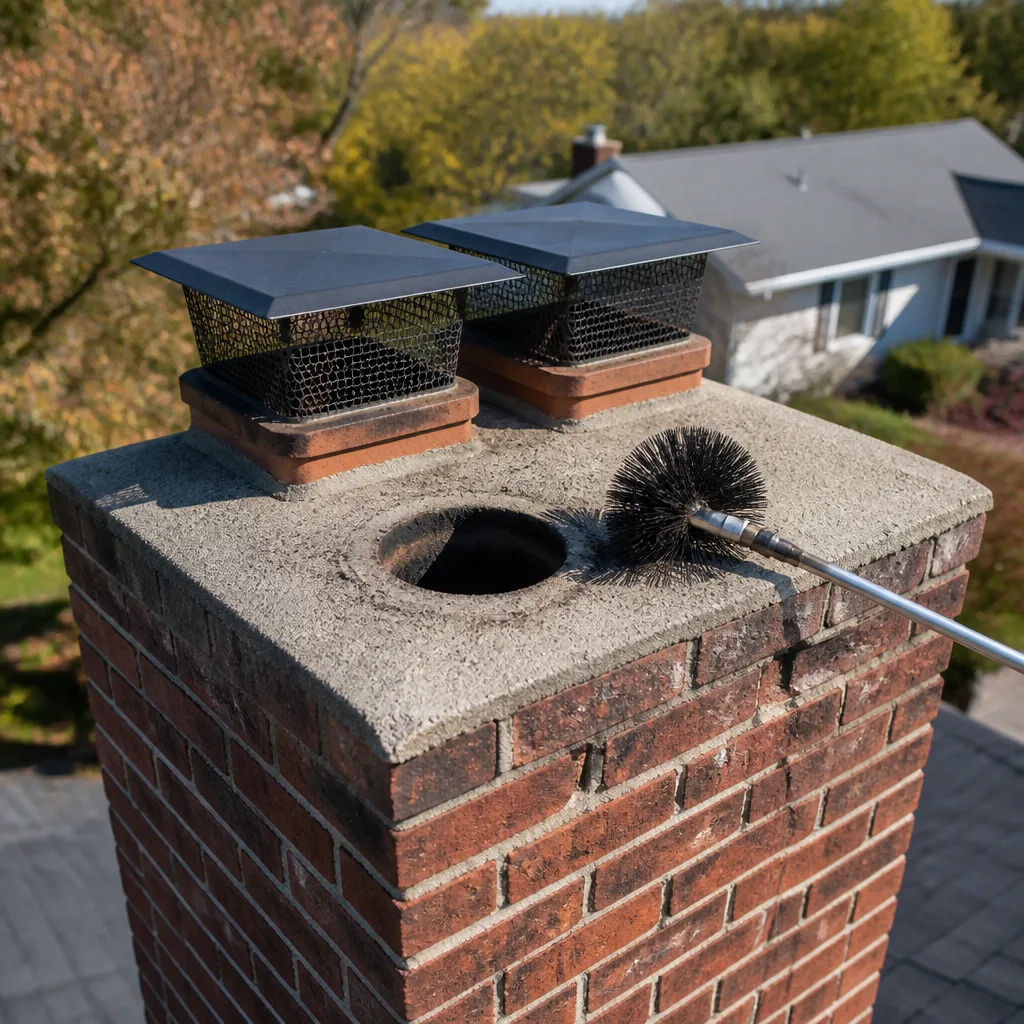
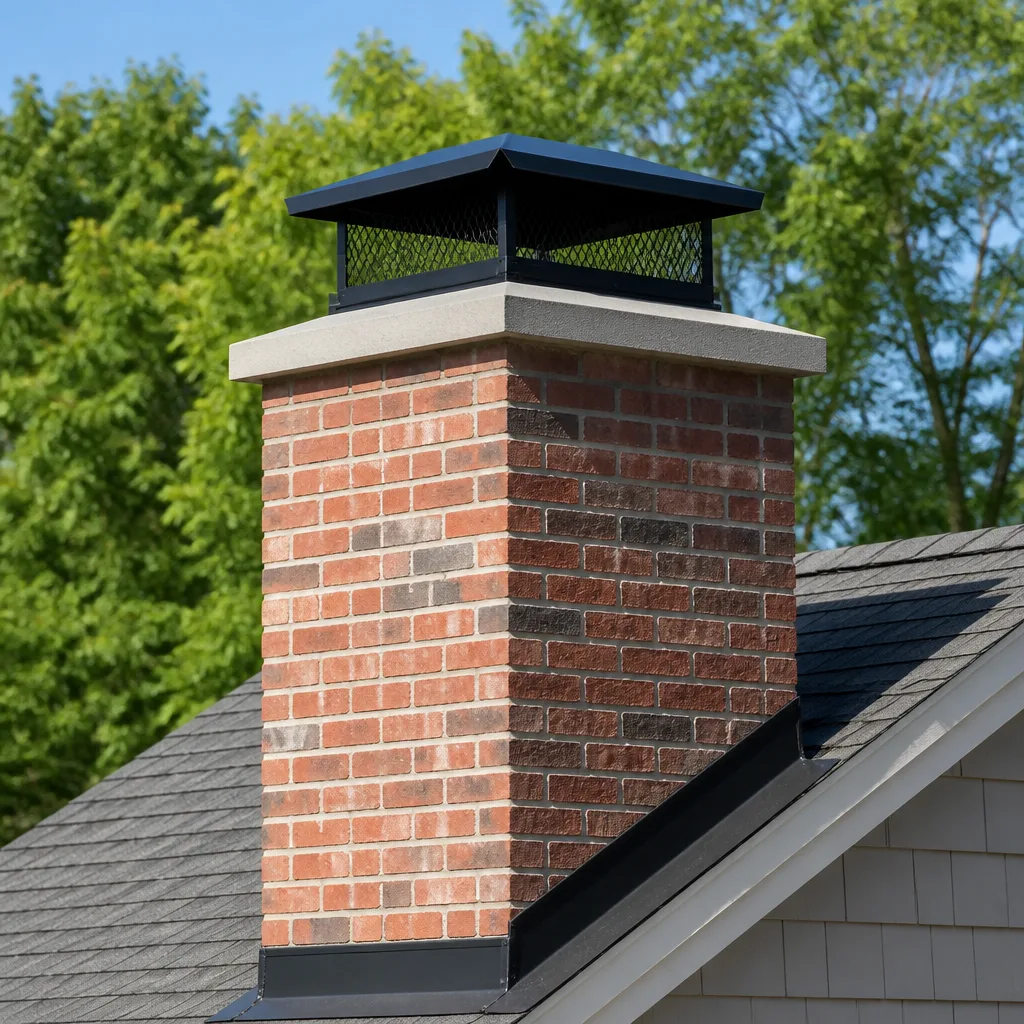
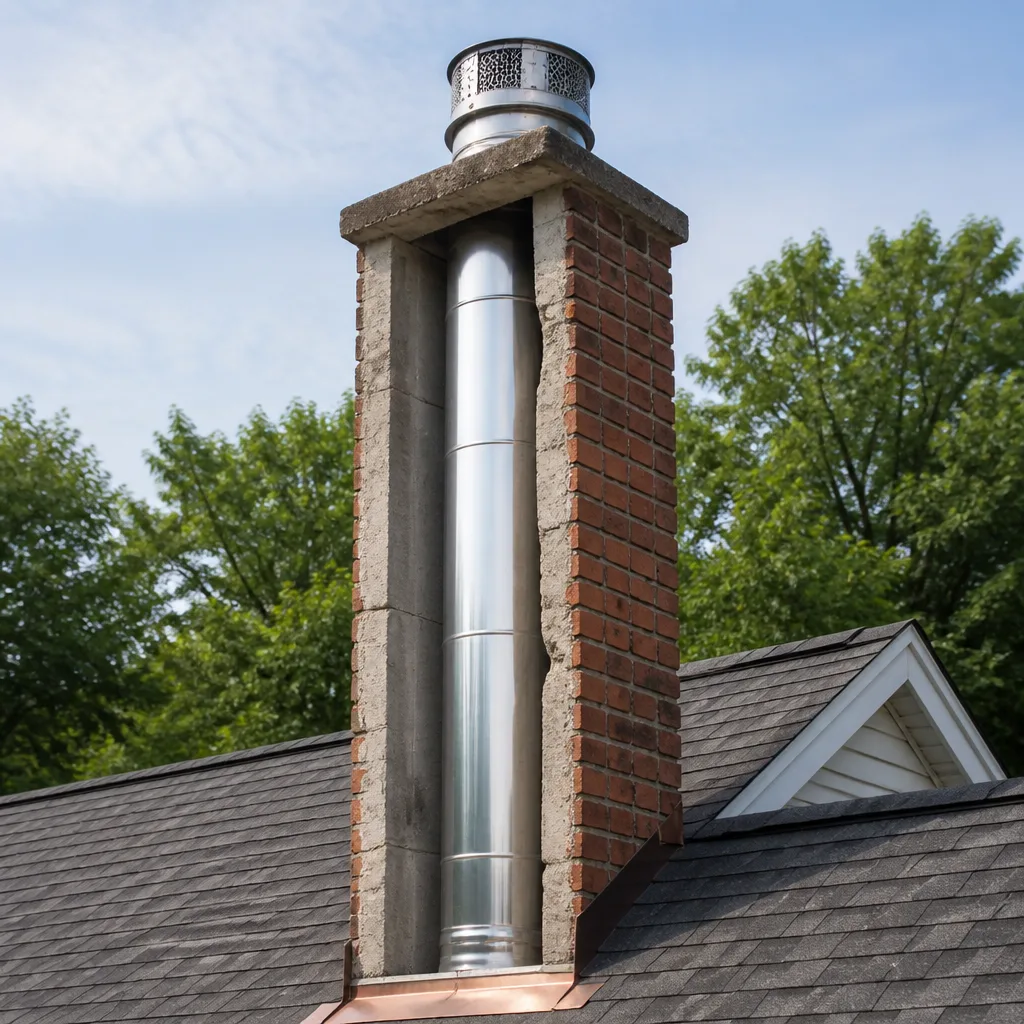
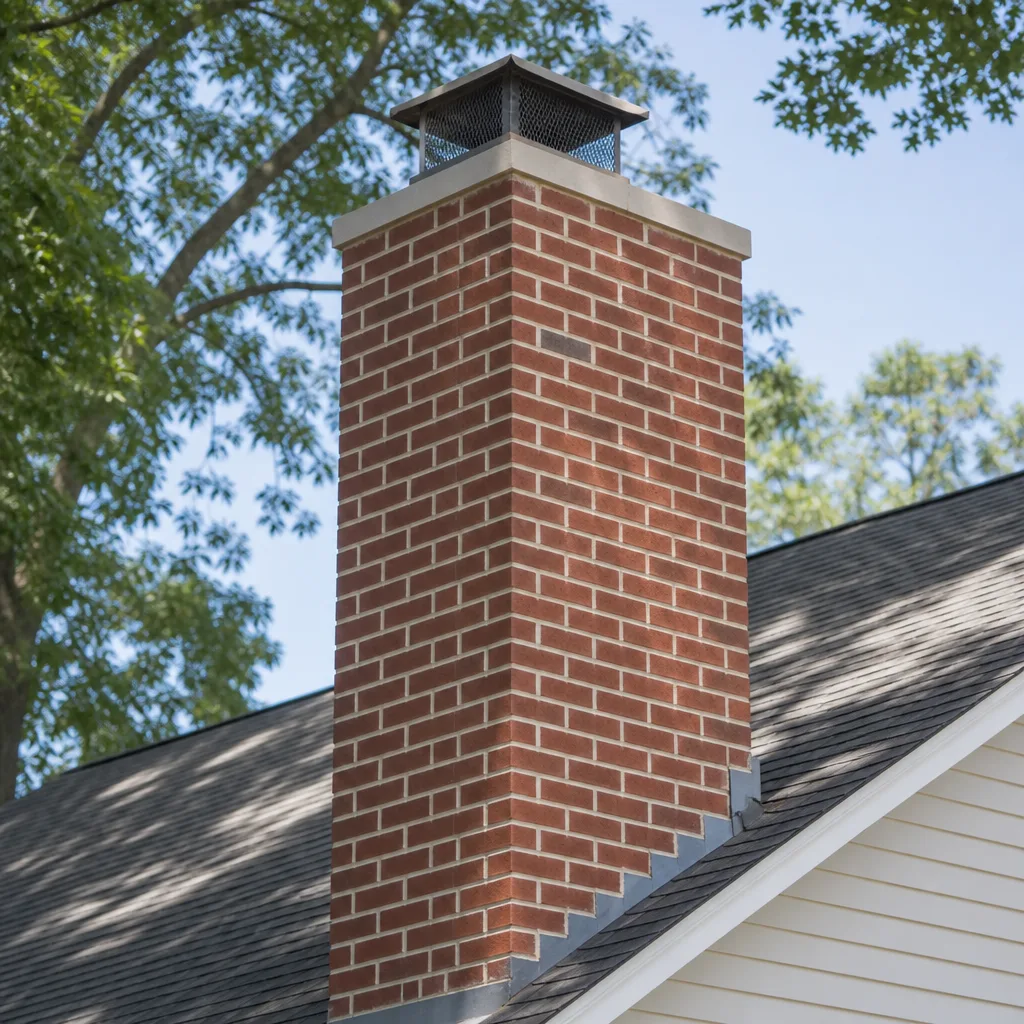
Level 1 sweep and inspection to the NFPA 211 annual standard - flue, crown, cap, and flashing checked and photographed
Chimney sweep logs do not sweep chimneys. They loosen some creosote - which then falls where a brush and vacuum still have to collect it.
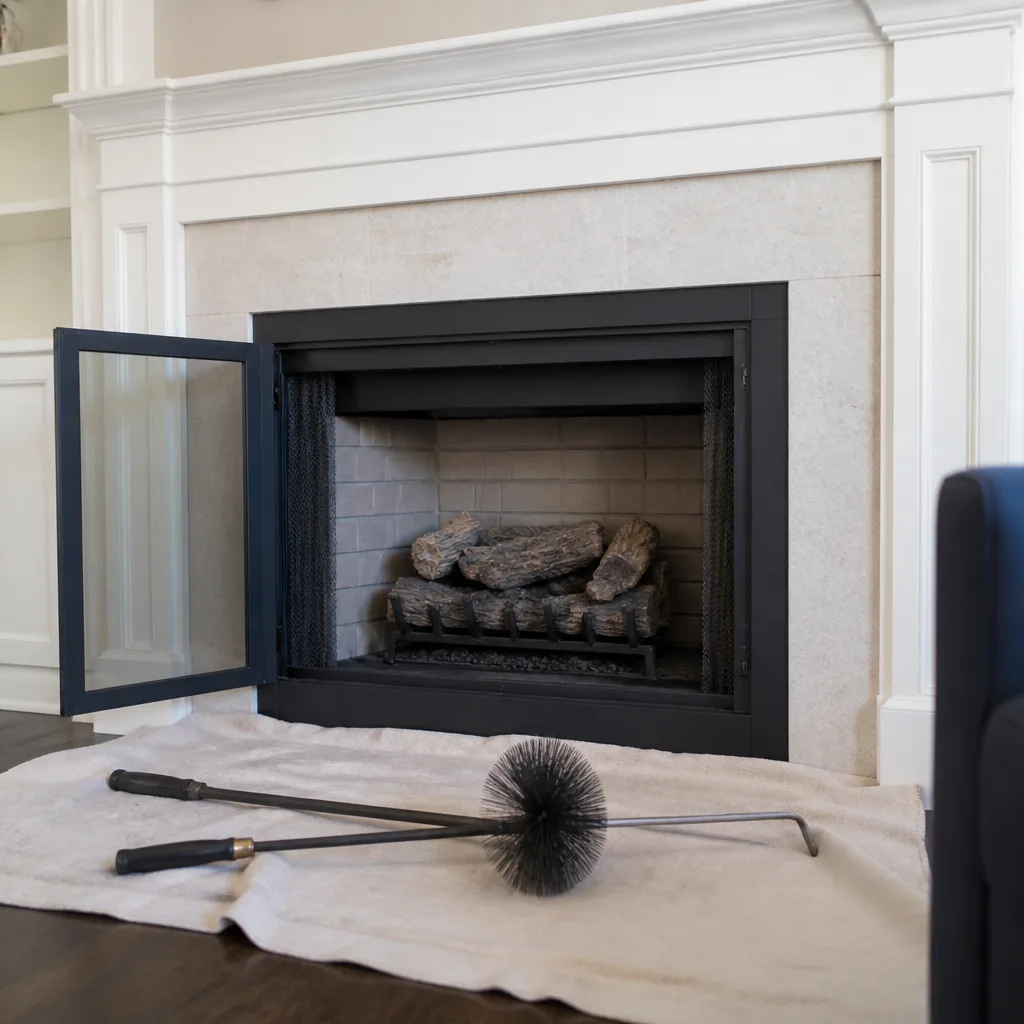
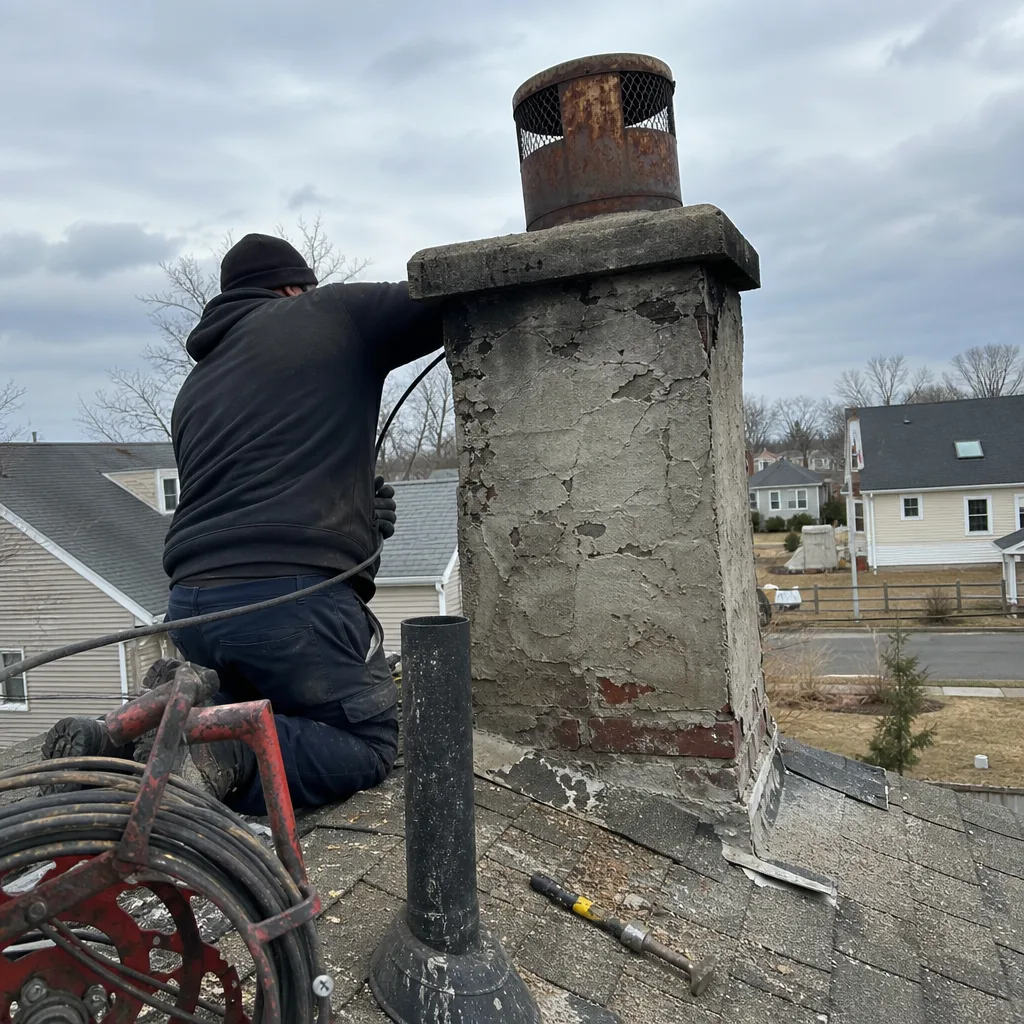 Before
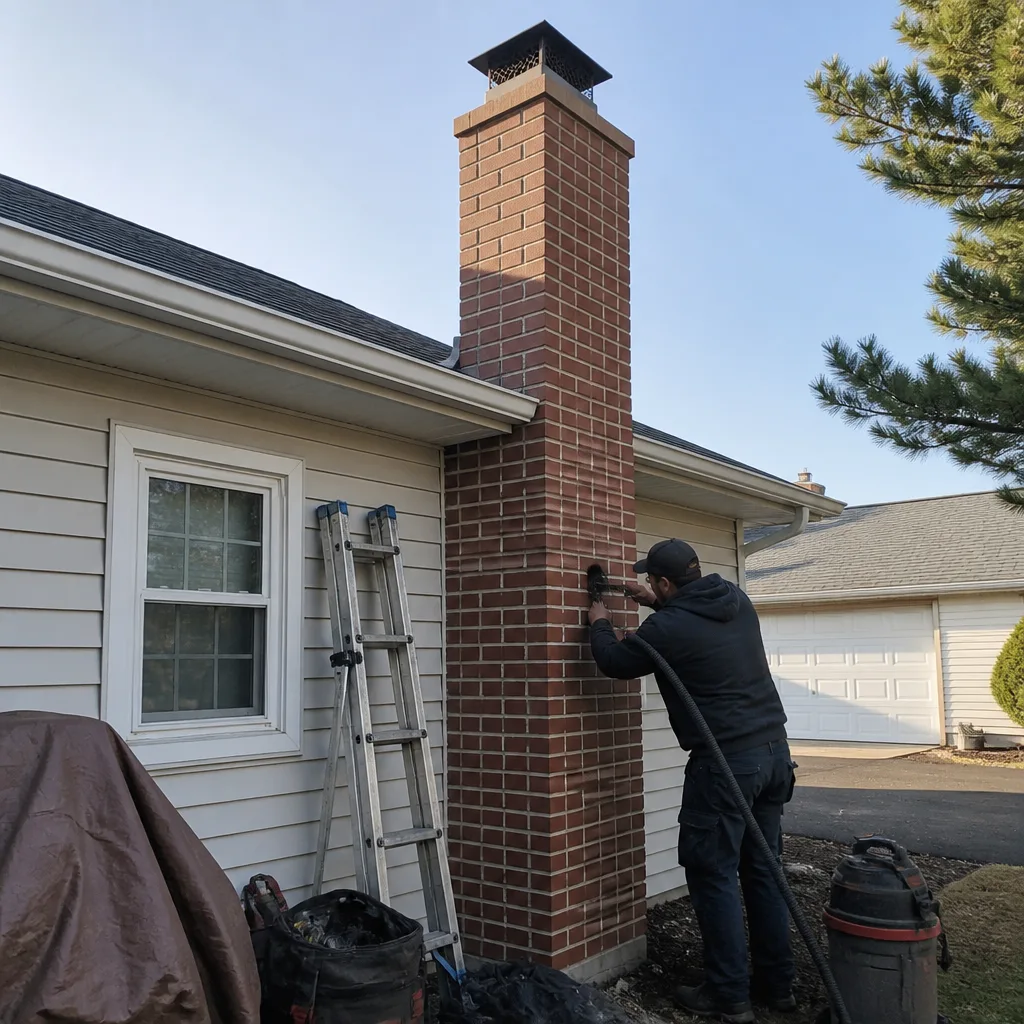 After
After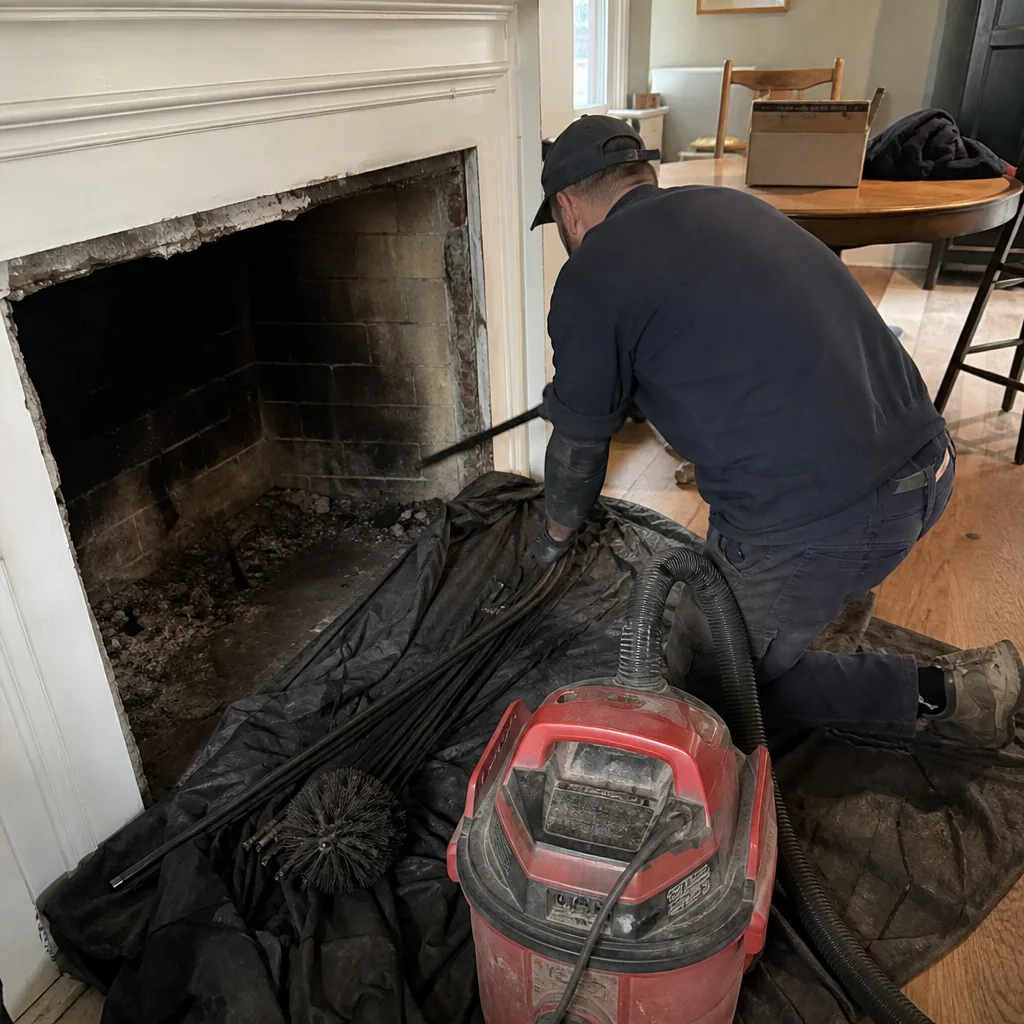 Before
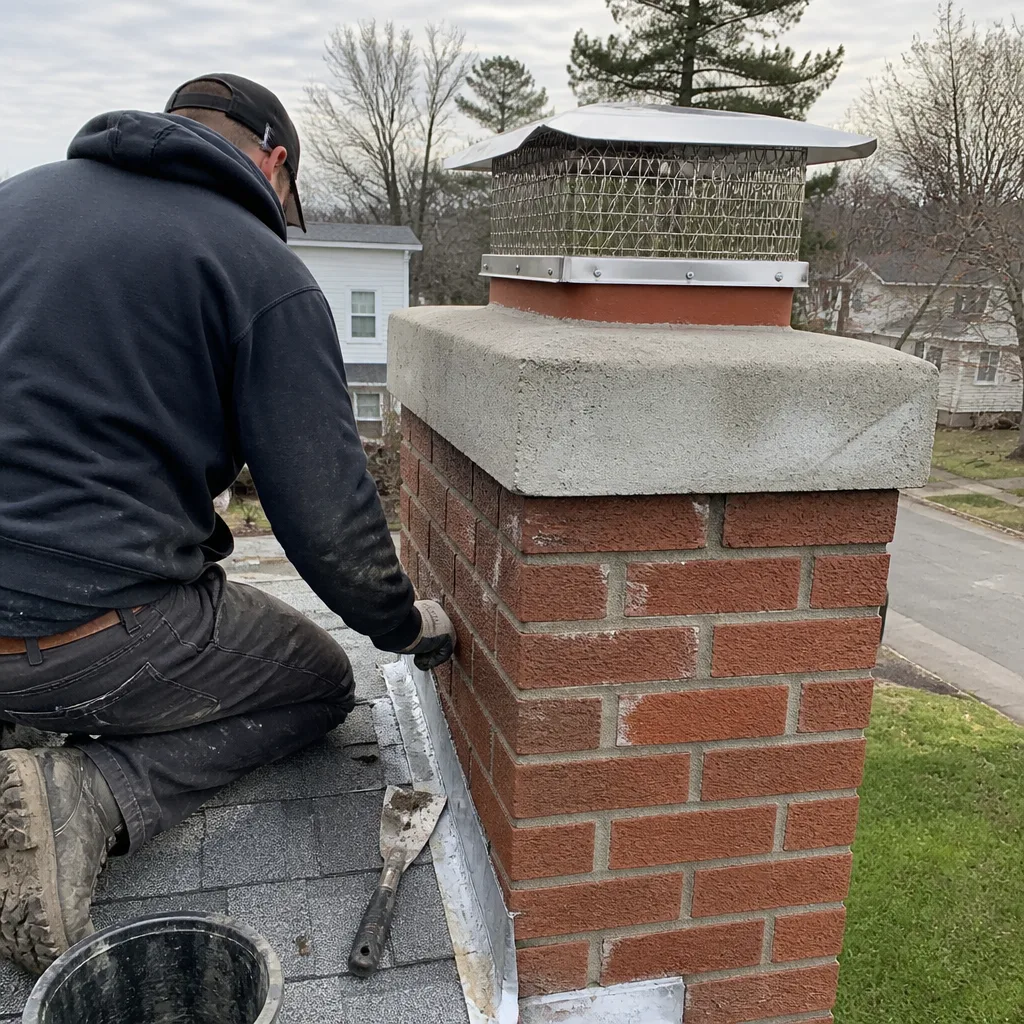 After
After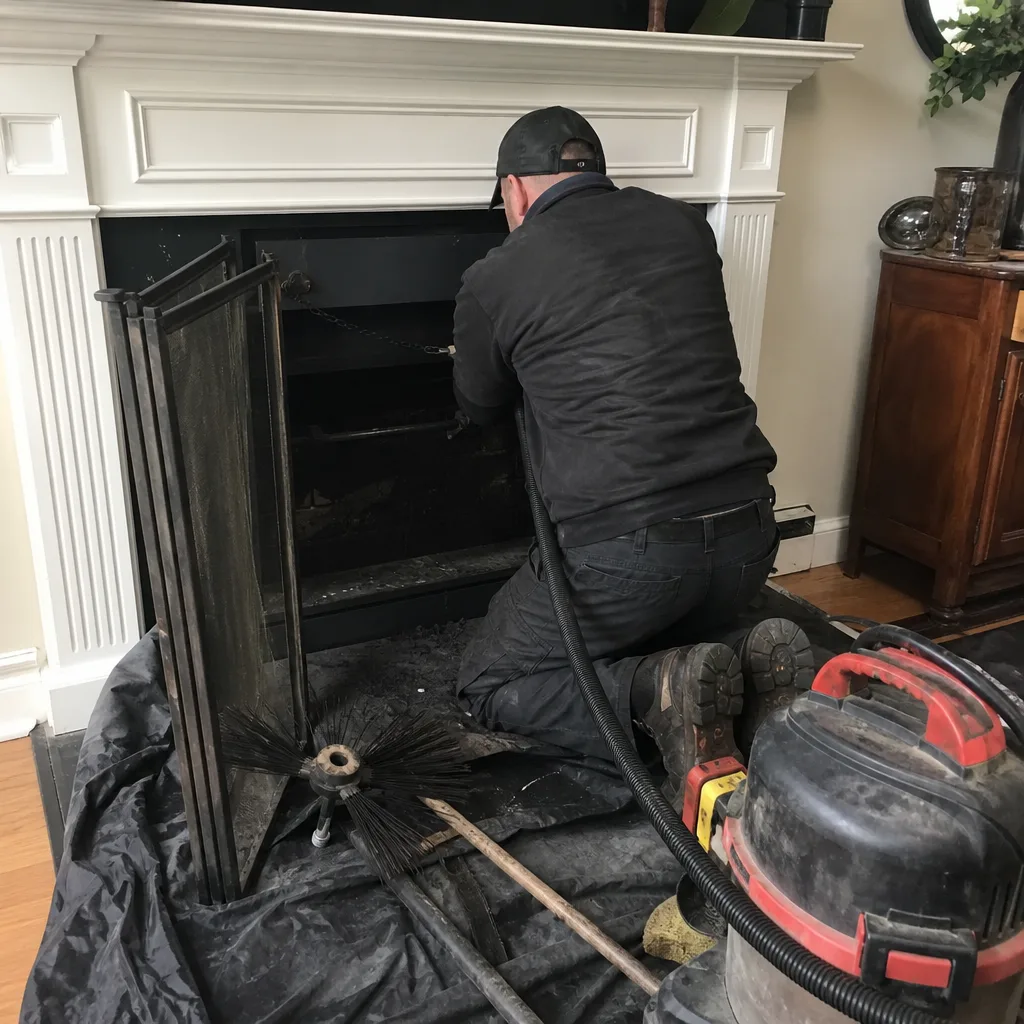 Before
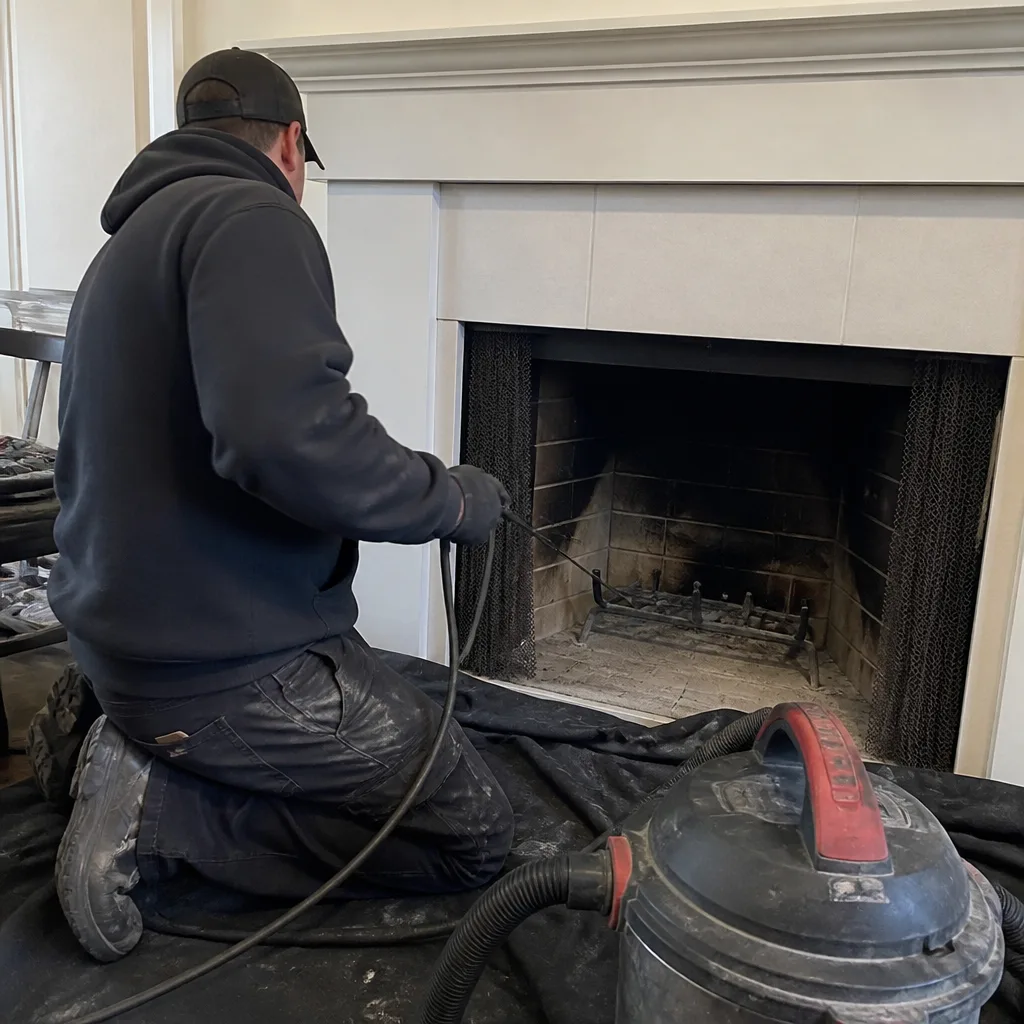 After
AfterDIY vs Professional Chimney Cleaning: The Long Beach Homeowner’s Decision Guide
Every fall, the hardware store on Park Avenue sells out of chimney brushes. It’s the same pattern Wendell Pike has watched since 1999. Homeowners watch a video, decide the job looks simple, and head to the aisle with the fiberglass rods. Some of them do fine. Others end up calling Top Hat Chimney in late December because the smoke is backing up into the living room or because they never finished the job once they got on the roof and looked down at the ground. This guide - along with our more guides & resources - will tell you exactly which tasks a Long Beach homeowner can handle on a Saturday morning, which ones genuinely need a trained sweep, and how to decide without spending money you didn’t need to spend.
Quick Answer
Most Long Beach homeowners can safely clean a light soot deposit from a straight, single-story flue with a basic brush kit and a vacuum, but they cannot inspect the liner behind that soot for cracks, classify creosote stages accurately, or assess flashing integrity on a salt-air roofline. The real risk of DIY cleaning isn’t the cleaning itself. It’s finishing that cleaning and believing the chimney is sound when the structural problem underneath was never looked at. A professional sweep with a camera inspection costs more than the hardware store kit, but it produces documentation that matters for home insurance claims and catches liner damage before it becomes a house fire.
Table of Contents
- What a Long Beach Homeowner Can Legitimately Do Themselves
- What Actually Requires a Professional
- Creosote Is Not a Judgment Call
- The Real Cost of Doing It Yourself in Long Beach
- Salt Air, Wind, and Long Beach Rooflines
- How to Use Professional Cleanings Strategically
- The Insurance Paperwork Nobody Thinks About
- Common Mistakes to Avoid
- When to Call a Professional
- Frequently Asked Questions
- The Bottom Line
What a Long Beach Homeowner Can Legitimately Do Themselves
Wendell will be the first person to tell you that not every chimney task requires a professional. Some jobs are genuinely simple, and paying someone to do them is a waste of money. Here’s what you can handle on your own without special training.
- Cleaning the firebox. After the fire dies and the ashes are cold (wait at least 24 hours), scoop out the debris with a metal ash shovel. Wear a dust mask. The ashes belong in a metal container with a tight lid, never a paper bag or plastic bucket. A homeowner can do this in twenty minutes with tools they already own.
- Testing the damper. Open and close it fully. Listen for grinding. If it won’t fully open or close, note that before the heating season starts. This is a five-minute check that tells you whether the fireplace is safe to use. A damper that won’t seal in July is costing you air conditioning dollars all summer.
- Exterior visual checks from the ground. Walk around your house once a month and look up. Check whether the chimney cap is still attached. Check whether bricks are flaking or spalling near the top. Look for missing mortar joints. You’re not doing repairs here; you’re noticing problems early enough that a repair doesn’t turn into a rebuild.
- Smoke-testing the draft before the first fire of the season. Hold a lit match or piece of newspaper near the open damper and see whether the smoke rises up the flue or drifts back into the room. This tells you whether the chimney is drawing properly. If the smoke pools or blows back, call before burning.
- Keeping a burn log. Write down when you burn, how hot, for how long, and what wood you used. This sounds meticulous, but it gives a sweep useful information about what’s collecting in the flue and why.
These tasks don’t require liability waivers or safety harnesses. They’re basic upkeep that Top Hat Chimney home customers in Long Beach do between professional visits. The line between what’s sensible and what’s foolish gets crossed when you climb a ladder with tools in hand.
What Actually Requires a Professional
Three specific tasks in a chimney’s life require equipment and training that most Long Beach homeowners don’t own. These aren’t gatekeeping. They’re realities about what happens when a novice misreads the evidence.
1. Camera inspection of the flue liner. A chimney that looks clean from the top can hide a cracked clay liner, a rusted-out steel liner, or a void where mortar used to be. None of that is visible from either end with a flashlight. A professional camera snake shows the whole length of the flue on screen, and Wendell walks you through the footage in plain English before recommending anything. “Your flue doesn’t care how the fire looks. It cares how it breathes.” The camera footage and a plain-English verdict, every time, no exceptions.
2. Creosote classification. First-degree creosote is a brush job. Third-degree is a glaze, and brushing it with a wire brush from the hardware store makes things worse by polishing it. If you don’t know how to classify what you’re looking at, you don’t know whether the flue is safe. Chimney cleaning and sweeping in Long Beach is built around this exact read.
3. Flashing integrity assessment on a salt-air roofline. Long Beach chimneys sit in one of the most corrosive environments on the East Coast: constant salt spray, wind off Reynolds Channel, freeze-thaw cycles every winter. Flashing that looked intact last spring can be perforated by April. A pro knows where the failure points are, how to test for leaks without damaging the roofing, and when flashing can be patched versus when it needs replacing.
If you only remember one thing from this section: you can clean what you can see, but you cannot inspect what you cannot see. And the stuff you cannot see is the stuff that burns houses down.
Creosote Is Not a Judgment Call
Most homeowner chimney cleaning advice treats creosote as a binary: it’s there or it isn’t. That’s wrong. Creosote comes in three stages, and the distinction matters more than any other fact in this guide.
- Stage 1: A fine, sooty powder that brushes away easily. This is what accumulates from a year or two of occasional fires with dry hardwood. A homeowner with a straight flue and an honest ladder can handle this, provided the flue is actually straight and the roof is single-story.
- Stage 2: Crunchy, flaky deposits that have baked onto the flue walls. This is where homeowners get into trouble. A basic brush kit won’t fully remove Stage 2 creosote, especially near the top of the flue where it concentrates. What remains behind ignites later.
- Stage 3: A hard, shiny glaze that looks like tar. This is not a cleaning job; it’s a removal job that requires chemical treatments or mechanical removal by a trained sweep. If you attack third-degree creosote with a hardware store brush, you polish the glaze and make it harder to remove later. “First-degree creosote is a brush job. Third-degree is a glaze - catch it early.”
The problem isn’t that a homeowner can’t learn the definitions. It’s that recognizing the difference in a dark flue requires seeing dozens or hundreds of chimneys before the distinctions become second nature. One beginner’s “light soot” is another sweep’s early Stage 2, and the gap between those interpretations is the gap between safe and not safe. Chimney repair in Long Beach often starts with the same discovery: a homeowner cleaned what they could see, misclassified what they could not, and burned for another season with no idea the flue needed attention.
The Real Cost of Doing It Yourself in Long Beach
The break-even math on DIY chimney cleaning is less obvious than it looks at the hardware store register. Here’s what a Long Beach homeowner actually spends to do it themselves, assuming a single story, a straight flue, and no surprise problems.
- Brush kit with rods: $40-$90 depending on flue size and rod length. The cheap kits with fiberglass rods flex too much. The decent polypropylene brushes cost more.
- Shop vacuum with HEPA filter: $80-$150 if you don’t already own one. A standard household vacuum is not adequate and will fill your living room with fine soot.
- Extension ladder rated for single-story roof access: $150-$250. Borrowing a neighbor’s ladder that wobbles is how Long Beach urgent care visits happen.
- Dust masks, safety glasses, work gloves, drop cloths: $40-$60.
- Time: Four to six hours for a first-timer, including setup, cleanup, and the inevitable pause to watch another video halfway through.
Realistic total: $300-$550 for the first year, assuming nothing goes wrong. A professional sweep in Long Beach, with camera inspection, creosote classification, damper check, and a written report, typically runs in the same range, sometimes less when you factor in the no-trip-charge service area. The difference is that the professional service includes the inspection you still haven’t done, the documentation your insurance company may want, and the trained eye that catches what the video couldn’t show you.
Here’s the honest math: a yearly professional sweep runs maybe $200-$375 depending on flue height and condition. A DIY setup costs $300-$550 up front plus two to three hours per year. By year three, the professional is competitive, and you’ve never spent a February afternoon on a ladder with frozen fingers. “Once a year, burn or no burn. Chimneys break in the off-season too.”
Salt Air, Wind, and Long Beach Rooflines
Long Beach chimneys don’t age the way inland chimneys age. The salt air off the Atlantic accelerates corrosion on flashing, caps, and dampers. The wind off Reynolds Channel and the ocean drives rain sideways into mortar joints that would stay dry in Massapequa or Wantagh. Freeze-thaw cycles in January and February expand that moisture and crack bricks from the inside. A chimney that looked structurally sound in September can be spalling by March.
This matters for the DIY decision because the failure modes are different here than they are elsewhere. A homeowner in Kansas can follow a general chimney maintenance video and face general chimney risks. A Long Beach homeowner who follows the same video is working on a chimney that has been exposed to conditions those videos don’t address. The flashing failures we see are faster here. The crown cracks are wider. The cap rust is deeper. A professional who has worked the same South Shore blocks since the 1990s knows where each failure mode shows up first on a Long Beach roofline.
This is also why fireplace services in Long Beach are not a seasonal-only business for us. We inspect chimneys in July because the off-season is when salt and moisture do their quiet work. Once a year, burn or no burn.
How to Use Professional Cleanings Strategically
The smartest approach for most Long Beach homeowners isn’t a choice between DIY forever and professional forever. It’s a rhythm that uses both sensibly.
- Schedule one professional sweep per year, every year. Pick the same month so you never forget. Many of our customers book in September before the first fire, or in April when the heating season ends. The camera inspection is the part you’re actually paying for. The cleaning is what makes the inspection possible.
- Do the monthly owner checks in between. Once a month, do the ground-level visual check, test the damper, and note anything that changed. That’s ten minutes of looking and one minute of writing things down.
- Call when something changes, not when the calendar says so. If a storm blew through, if you smell something odd near the firebox, if the smoke behaves differently than it did last month, call. Don’t wait for the yearly appointment.
- Keep a file. Every sweep report, every repair invoice, every photo of the chimney. When you sell your house, this file makes the buyer’s inspector’s job easier and protects you from last-minute concessions.
This approach costs a Long Beach homeowner roughly $300-$400 per year and about two hours of total time. That’s less money than most people spend on streaming subscriptions and less time than one trip to the big box store on a Saturday morning. The alternative - alternating DIY years with professional years - saves a little money but creates gaps in the inspection record. Insurance companies hate gaps. Home inspectors hate gaps. Wendell includes the written report every single year because a chimney with a continuous record is a chimney that’s easier to sell the house around.
The Insurance Paperwork Nobody Thinks About
When a chimney fire occurs, the homeowner’s insurance company asks for documentation. Who cleaned this chimney, when, and what did they find? A DIY cleaning produces no documentation, which means it produces no evidence for the adjuster. The homeowner who cleaned their own chimney has no professional record that the flue was safe, no classified creosote report, and no time-stamped receipt showing a qualified person examined the liner.
This isn’t a hypothetical. In our experience with Long Beach insurance claims over the years, the homeowners who had annual sweep records fared better than the ones who said they “cleaned it themselves.” The adjuster can’t verify what you did on your roof with a brush kit from Amazon. They can verify what a licensed, insured sweep documented in writing with camera footage.
There’s a second insurance angle that’s more local. Many Long Beach homeowners carry coastal property insurance, which already involves wind and flood riders. Add a chimney fire claim with no maintenance record, and the underwriting review can be unpleasant. The $350 annual sweep isn’t just maintenance. It’s documentation. And “ask anyone on your street” who’s dealt with a South Shore insurance claim after a fire. The paperwork matters.
Common Mistakes to Avoid
- Buying the cheapest brush kit and assuming it’s fine. The $22 kit with three fiberglass rods will flex inside the flue, slap against the walls, and leave half the creosote behind. You’ll finish the job with a false sense of security and a chimney that’s still dirty.
- Cleaning a chimney from below when it needs to be cleaned from above. Some flues have bends or offsets that make bottom-up cleaning ineffective. A novice with a drill attachment won’t know the difference and will polish the glaze instead of removing it.
- Skipping the vacuum and tarp setup. Fine soot migrates. It gets into carpet, ductwork, and curtain fabric in minutes. The cleanup after a bad setup costs more time than the cleaning itself.
- Using a pressure washer on a masonry chimney. The pressure drives water into the bricks and mortar, accelerates freeze-thaw damage over a Long Beach winter, and creates the exact problem the homeowner was trying to prevent. We see pressure-washer damage on South Shore chimneys every spring.
- Assuming a clean chimney is a safe chimney. This is the most dangerous mistake on this list. The clean flue can still have a cracked liner, failed flashing, or a damaged crown. Cleaning removes soot. It doesn’t inspect structure. A clean chimney with a cracked liner is still a house-fire waiting to happen.
- Waiting until November to schedule anything. Every chimney company in Nassau County is booked in November. The homeowners who call in September get their choice of appointments. The ones who call in mid-November wait two weeks for a sweep and sometimes burn anyway because it’s cold. Don’t be the November caller.
- Trusting a YouTuber whose roof isn’t in a salt-air environment. The video makes it look easy because their chimney has never faced a Long Beach nor’easter. Your flashing has. The failure modes are different here.
When to Call a Professional
Call a professional if you see cracked or missing bricks near the crown, if the damper won’t fully open or close, if you smell smoke or a campfire-like odor when the fireplace isn’t in use, if water stains appear on the ceiling near the chimney, or if you haven’t had the flue camera-inspected in more than two years. Also call if you’ve just bought the house and the seller can’t produce sweep records. A new homeowner inherits whatever condition the flue is in, and in Long Beach’s salt-air climate, inherited conditions are often worse than they look from the firebox. Top Hat Chimney offers free estimates in Long Beach - call (631) 378-3317 and a live person answers.
Frequently Asked Questions
A professional sweep in Long Beach typically runs between $200 and $375 depending on flue height, accessibility, and creosote buildup level - see our Chimney Cleaning Cost Breakdown: The Long Beach Homeowner’s Reference for 2026 for full details - and that price should include a camera inspection, damper check, and written report. Top Hat Chimney provides upfront pricing before any work begins - the number you hear on the phone is the number on the invoice. Call (631) 378-3317 for an exact quote.
Once a year, every year, whether you burn or not - that’s the standard for Long Beach homes because salt air and freeze-thaw cycles damage chimneys in the off-season too. Even if you rarely use the fireplace, birds nest in flues, dampers rust, and flashing fails without any help from a fire.
Yes, but only in narrow circumstances: a straight flue, a single-story roof you can safely access, and confirmed Stage 1 creosote. The brush kit removes surface soot, but it cannot inspect the liner for cracks or classify what you’re looking at. You’ll finish the cleaning and still need an inspection you haven’t done.
Yes, and it’s the most valuable part of the sweep. The camera shows cracked clay liners, rusted steel liners, and moisture damage that are invisible from either end of the chimney. Without the camera, you’re paying for cleaning and guessing about structure. With it, you know exactly what’s in there.
Creosote builds up in stages. Stage 1 becomes Stage 2, which becomes Stage 3 glaze. Each stage burns hotter and clings harder. A flue with years of unremoved creosote is a structure waiting for a chimney fire, and in Long Beach’s salt-air environment, any existing liner damage gets worse during those same years of neglect.
Most policies cover chimney fires, but the adjuster will ask for maintenance documentation. A homeowner with annual sweep records from a licensed professional has evidence the flue was properly maintained. A homeowner who cleaned it themselves with no records may face a more difficult claim. The file of sweep reports matters.
The Bottom Line
You can clean a light soot deposit off a straight single-story flue, and you’ll do an adequate job. What you cannot do is inspect the liner behind that soot, classify the creosote stage accurately, or assess salt-air flashing damage on a Long Beach roofline. The DIY kit costs $300-$550 up front, doesn’t include an inspection, and produces no documentation for insurance. The professional sweep costs about $300-$400 per year, includes the camera inspection and written report, and gives you a name you can call when something changes. For most Long Beach homeowners, the smart rhythm is one professional sweep every year with monthly owner checks in between. It costs less than the alternative when you count what the alternative doesn’t include.
Written by Wendell Pike, Owner at Top Hat Chimney, serving Long Beach since 1999.