
Last updated September 10, 2026
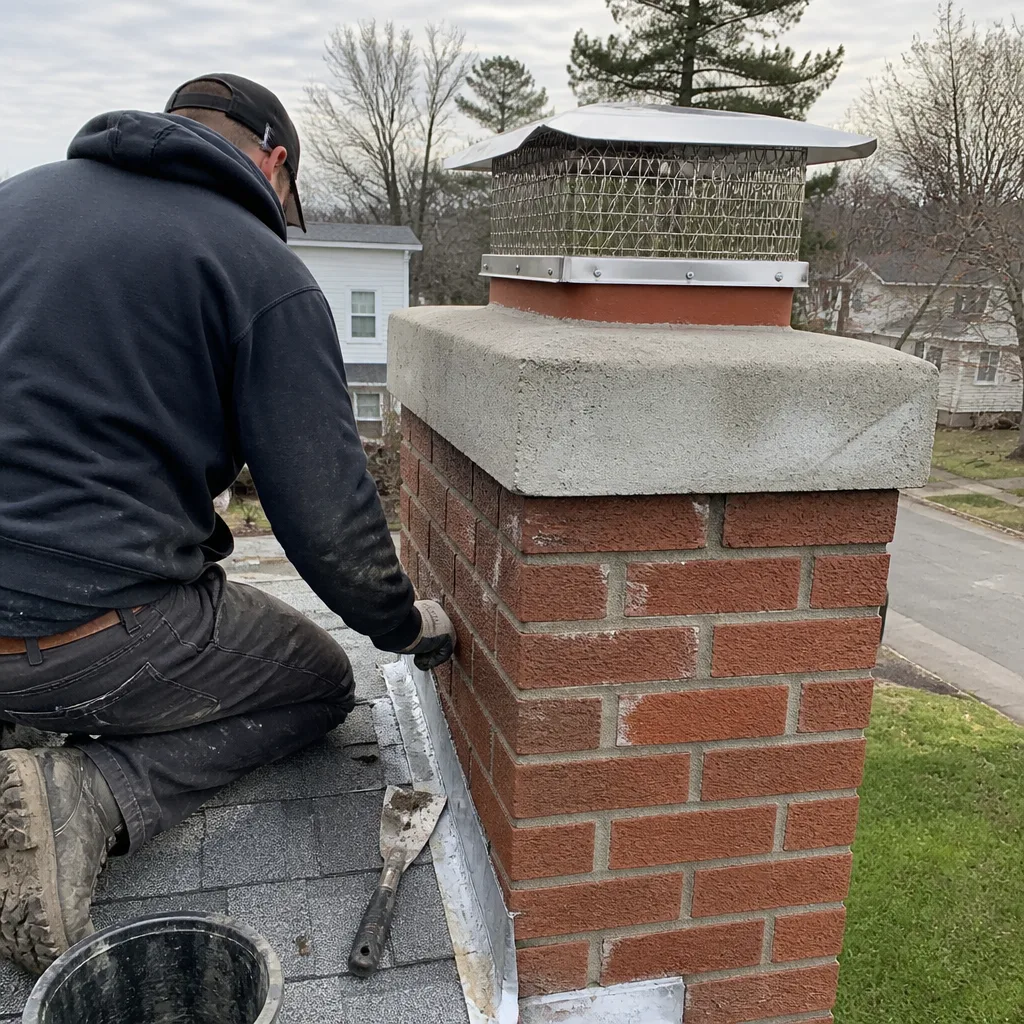
Level 1 sweep and inspection to the NFPA 211 annual standard - flue, crown, cap, and flashing checked and photographed
Chimney sweep logs do not sweep chimneys. They loosen some creosote - which then falls where a brush and vacuum still have to collect it.
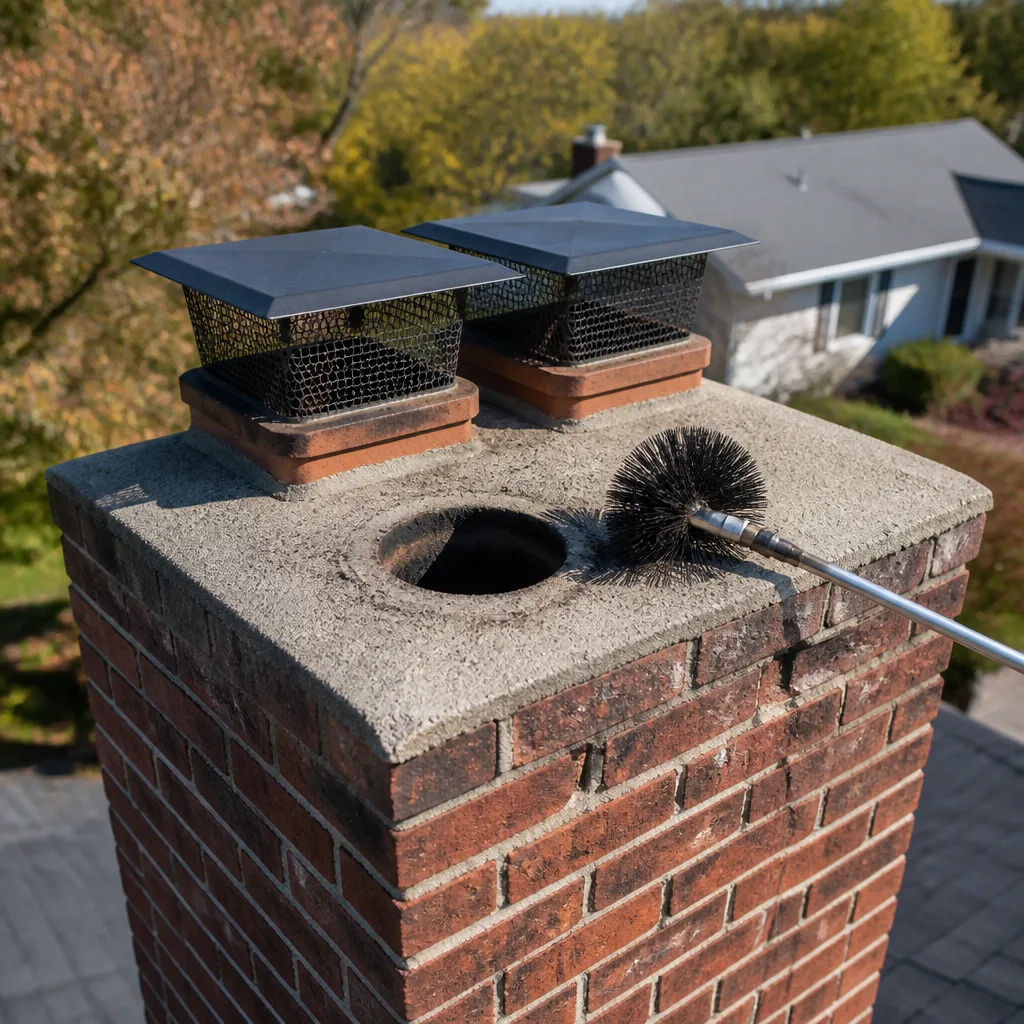
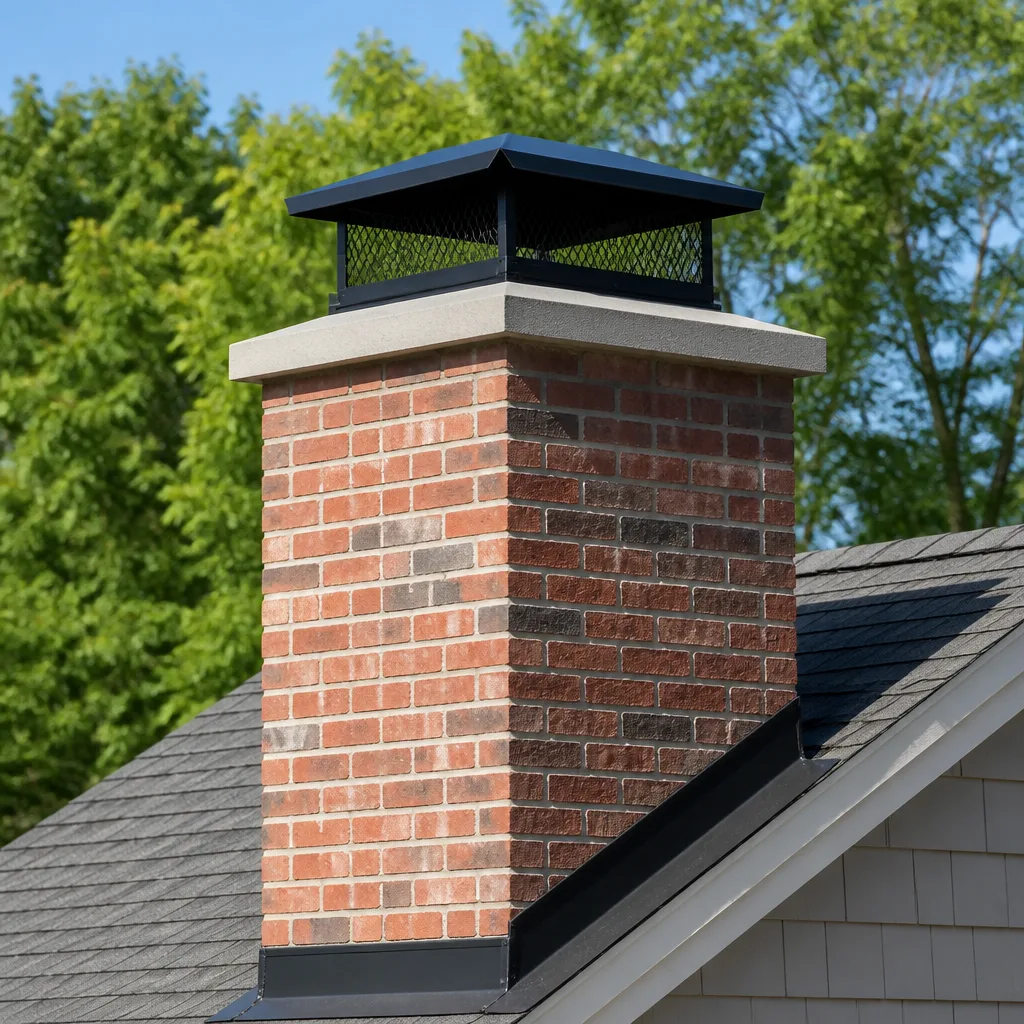
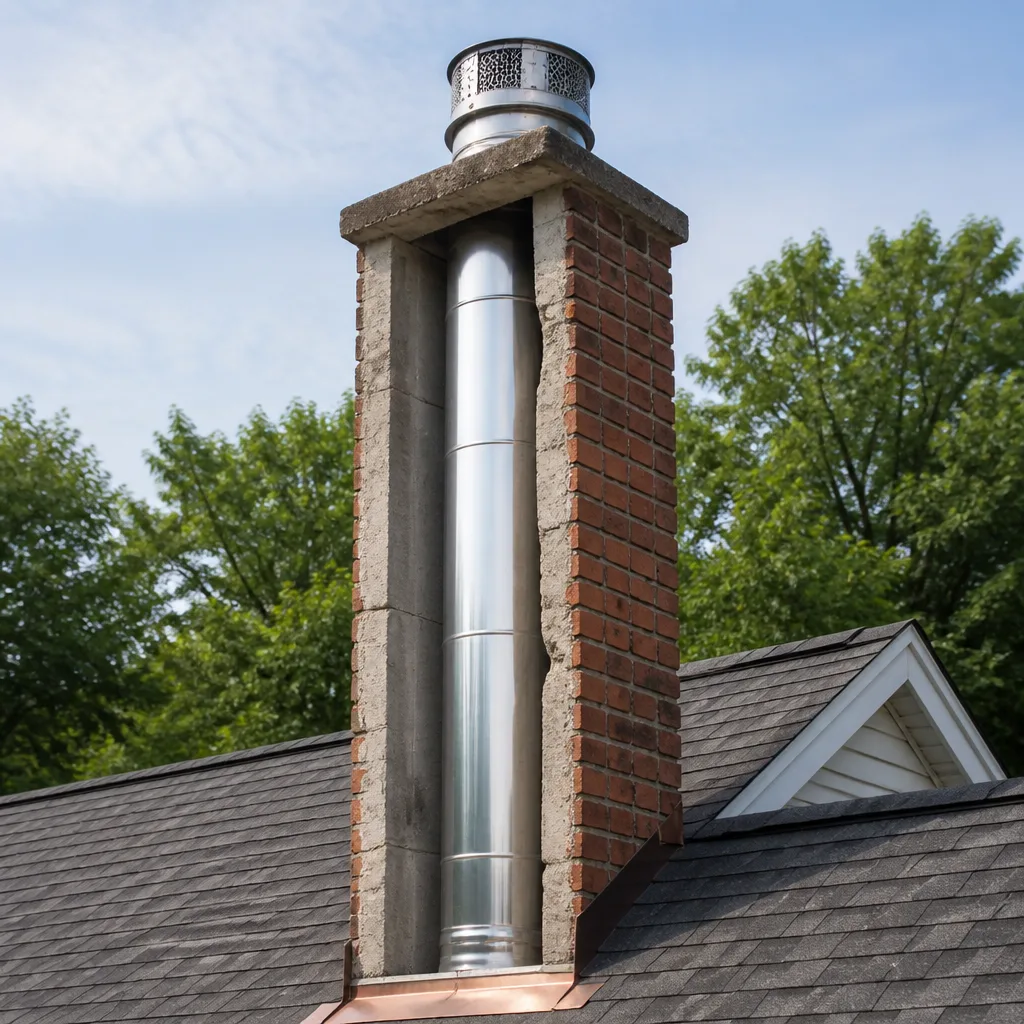
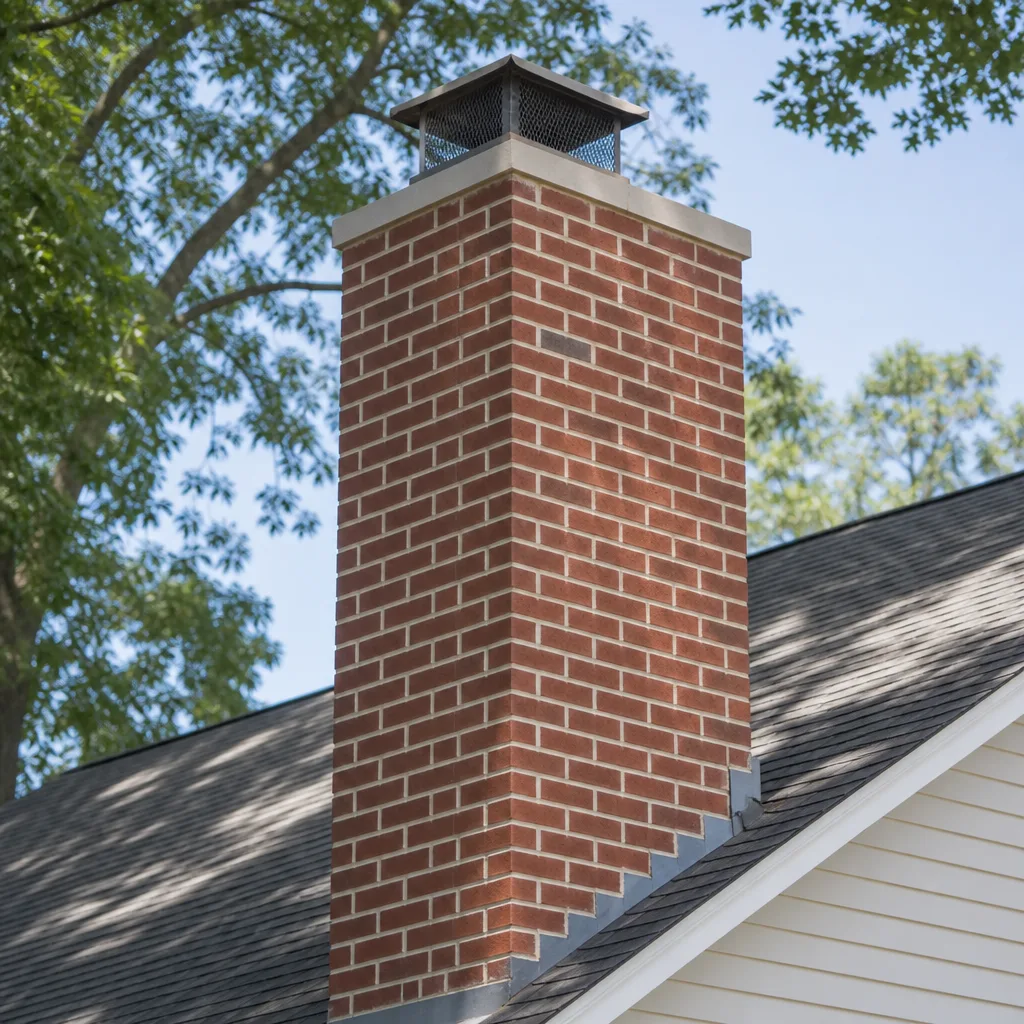
 Before
 After
After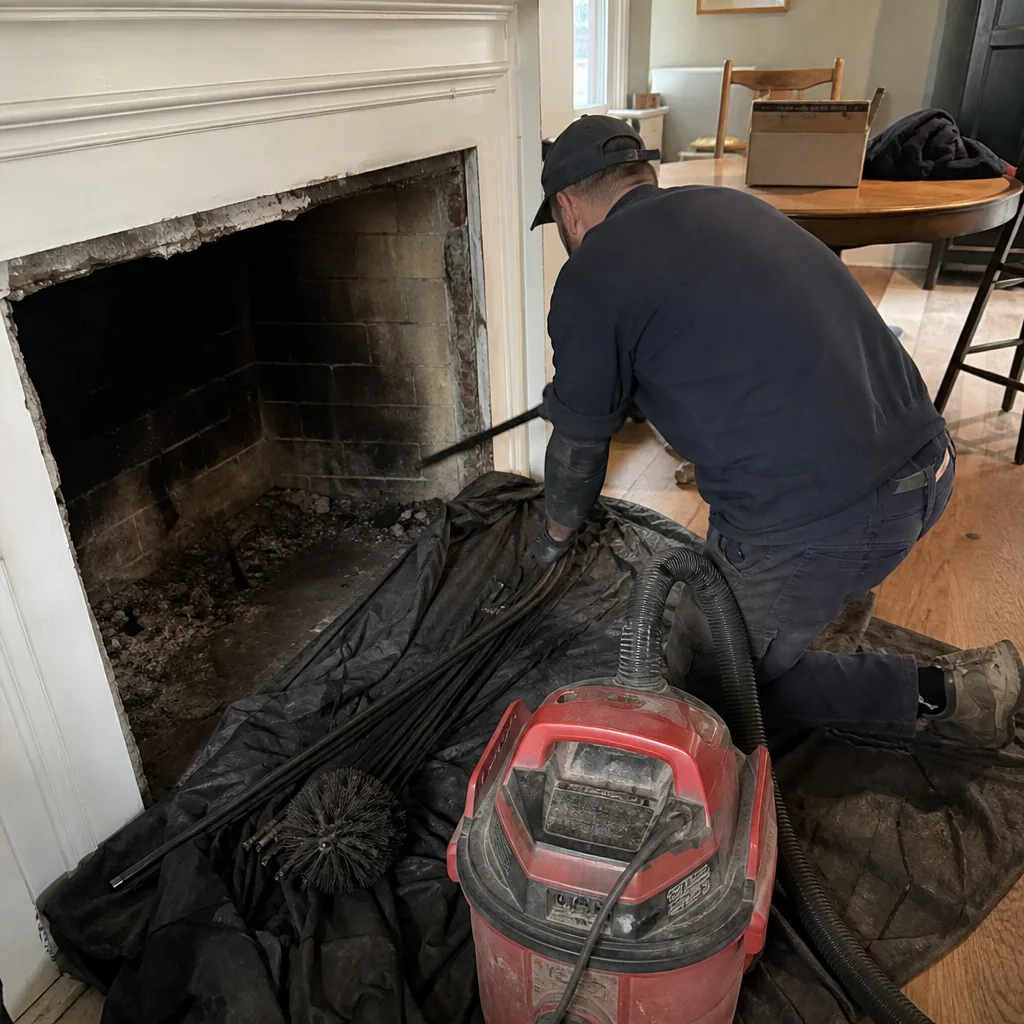 Before
 After
After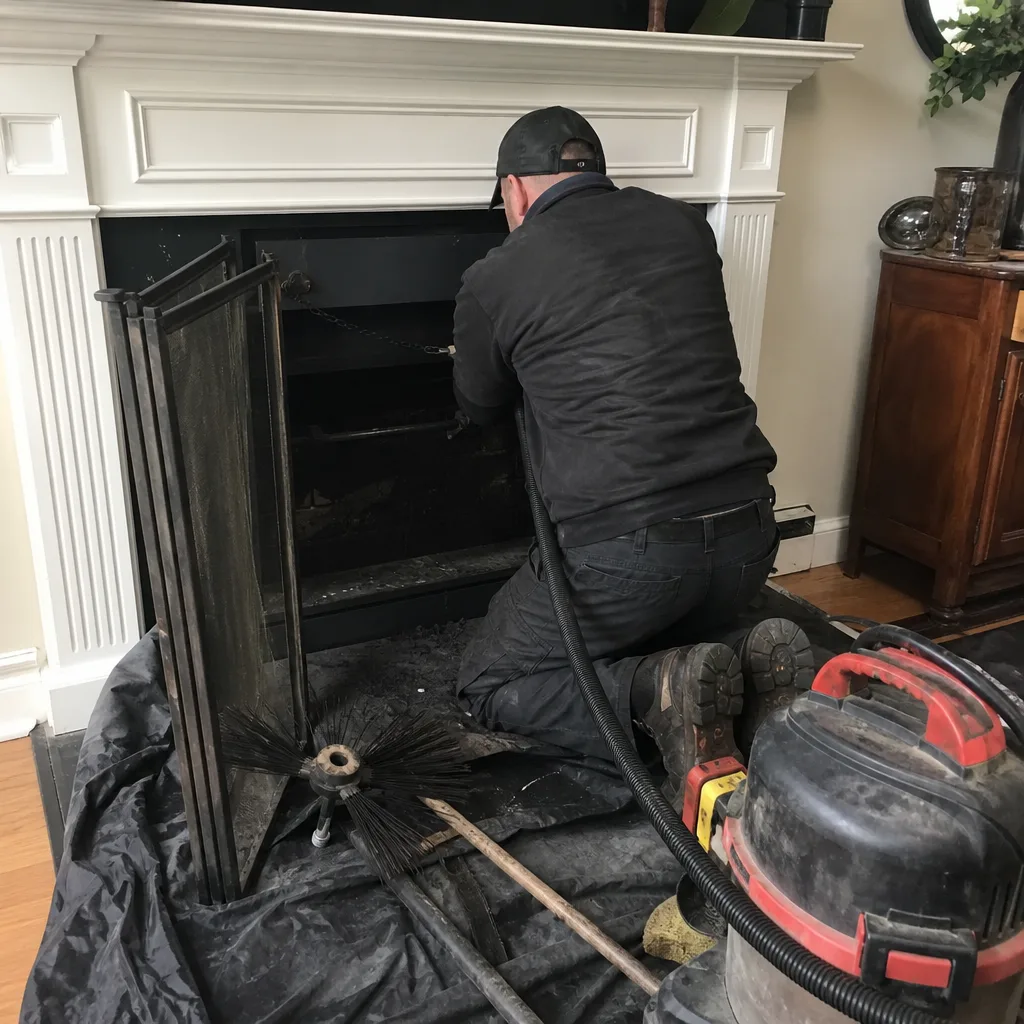 Before
 After
AfterThe Complete Guide to Chimney Cleaning in Long Beach
Long Beach sits on a barrier island where the same ocean air that makes the neighborhood worth living in accelerates chimney liner corrosion at roughly twice the rate seen in inland Nassau County. Most out-of-town sweeps won’t mention that because they don’t know it. They show up with the same checklist they use in Garden City or Levittown, glance up the flue, hand over a bill, and leave you thinking everything’s fine. This guide is different. We’re going to walk through exactly what chimney cleaning means in Long Beach specifically, what salt air does to a flue year after year, what a proper inspection should cover, what you should expect to pay, and how to know whether the sweep at your door actually knows this island or just drove across the causeway for the day. For more guides & resources, visit our blog.
Quick Answer
Chimney cleaning in Long Beach typically costs between $180 and $340 for a standard Level 1 sweep and inspection, and most homes with a working fireplace should have it done once a year, burn or no burn. Salt air corrodes liners and mortar joints faster here than inland, so annual cleaning is genuinely more important on the barrier island than it is in, say, Merrick or Wantagh. If you’ve got a pre-1960 bungalow fireplace or you’ve just come through a nor’easter, you may need a deeper Level 2 inspection, which runs higher and involves a camera.
Table of Contents
- Why Salt Air Changes Everything About Chimney Cleaning in Long Beach
- What a Proper Chimney Sweep Actually Includes
- Level 1, 2, and 3 Inspections: What They Mean and Which One You Need
- Pre-1960 Bungalow Fireplaces: What Older Long Beach Homes Reveal
- Post-Storm Chimney Checks: When a Nor’easter Demands a Second Look
- What Chimney Cleaning Costs in Long Beach
- What a Good Sweep Leaves Behind: Reports, Photos, and Proof
- Creosote in Coastal Homes: What the Stages Mean
Why Salt Air Changes Everything About Chimney Cleaning in Long Beach
Here’s the thing nobody tells you at the real estate closing: a chimney in Long Beach ages faster than the same chimney in Rockville Centre. The ocean air carries salt particles that settle into the porous surface of clay tile liners and into the mortar joints between them. Over the course of a single winter, that salt works its way into tiny cracks. When the flue heats up during a fire, the moisture inside those cracks expands. When the fire dies, everything contracts again. That cycle, repeated a few hundred times, is how a hairline crack becomes a spalled tile and how a spalled tile becomes a liner that needs full replacement.
We’ve pulled liners out of Long Beach homes that were installed in the 1990s and looked fifty years old. The same liner in Garden City would still be serviceable. Salt air isn’t a slow, uniform decay either. It works on the weak points first: the top few feet of the flue where rain and sea spray hit directly, the smoke shelf where creosote accumulates, and any area where the crown has a hairline crack or a missing section of mortar. When Wendell Pike puts a camera up a flue in the West End or the Walks, he’s not just looking for creosote. He’s looking for the salt signature: rust-colored staining on clay, white crystalline deposits on mortar, flaking at the crown, and the dull gray glaze that says the liner surface has started to spall.
What this means for you as a homeowner is that chimney cleaning in Long Beach is not a once-every-few-years courtesy. It’s annual maintenance on a system that the environment is actively degrading. If you wait until you see a problem, the problem is usually already expensive.
What a Proper Chimney Sweep Actually Includes
A real chimney cleaning is more than a guy with a brush. Here’s what a proper sweep should include, start to finish, every single time.
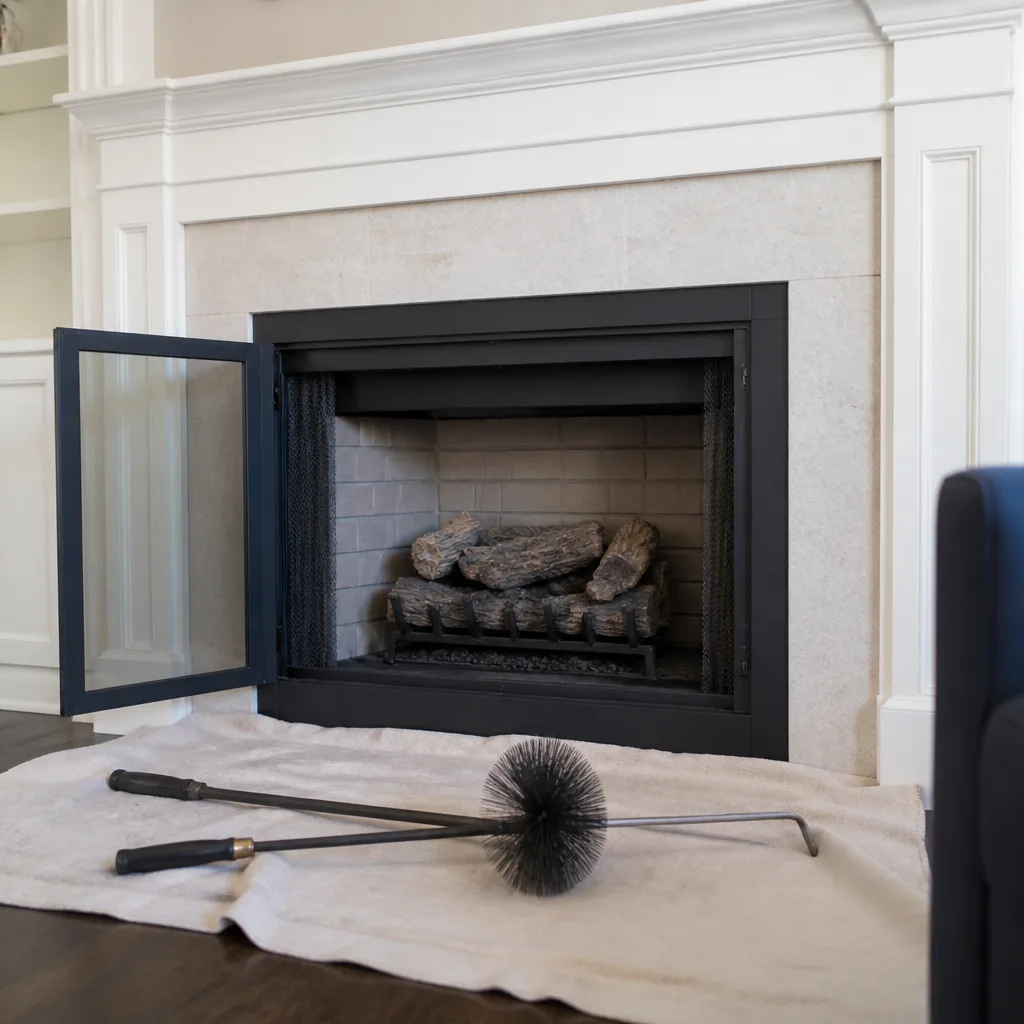
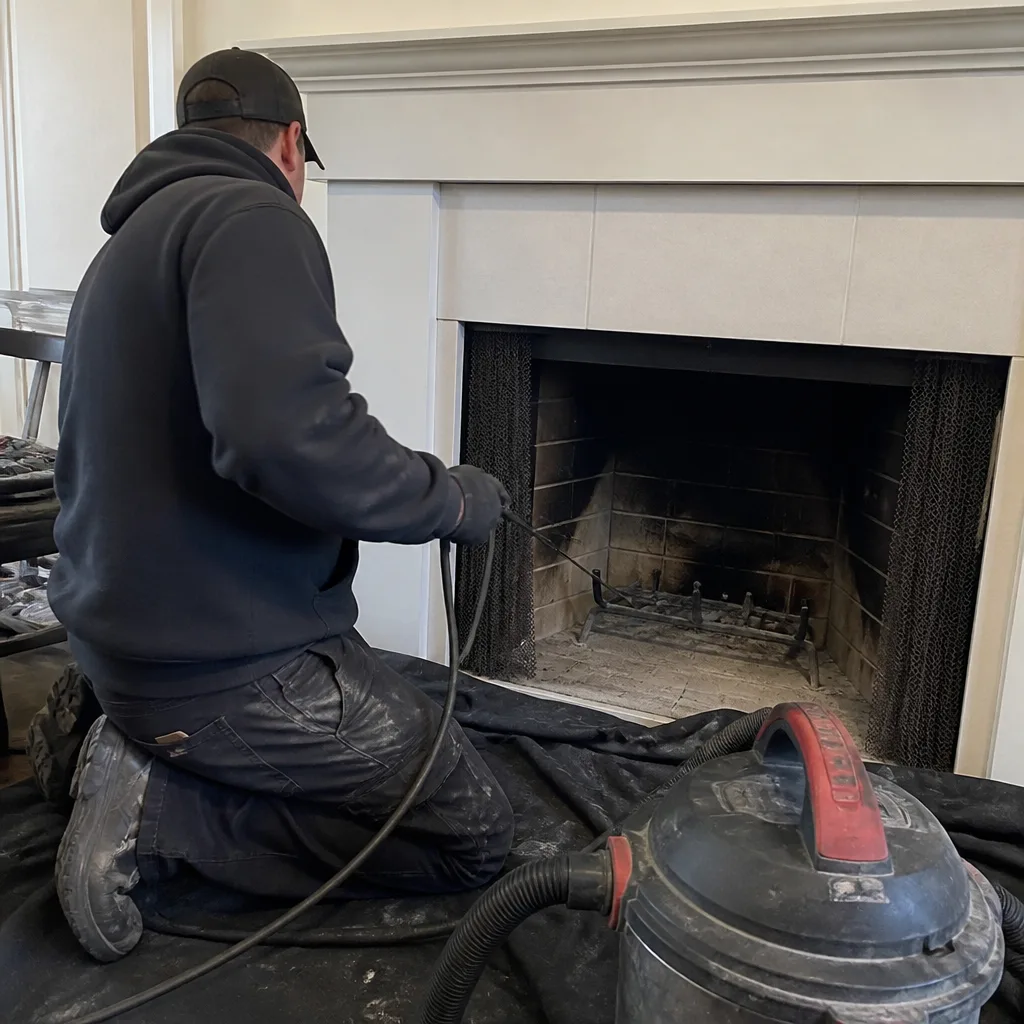
- Interior protection before anything else. The sweep lays drop cloths around the hearth, covers nearby furniture if needed, and puts a high-powered vacuum in place before the first brush stroke. You should be able to walk past the fireplace after the job and not know anyone was there except for the clean flue.
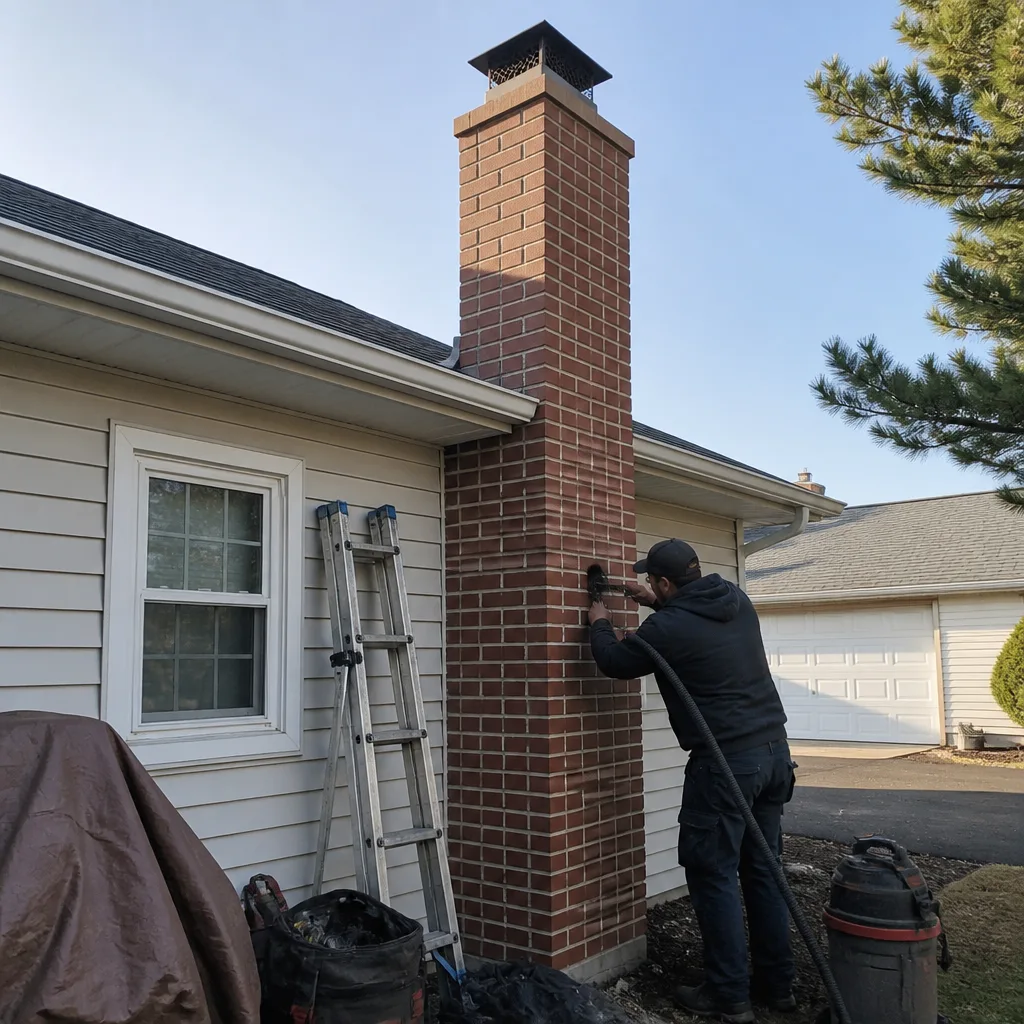
- Mechanical brushing of the full flue length. The brush has to reach from the firebox all the way up through the top of the chimney. Wire brushes, poly brushes, or a rotary system depending on the liner type and creosote stage. This is the actual cleaning part.
- Smoke chamber and smoke shelf cleaning. These are the areas just above the damper. They collect more creosote than most people realize, and plenty of sweeps just don’t bother. If they’re not cleaned, the job isn’t done.
- Damper check and adjustment. The damper has to open and close freely and seal reasonably well. A seized damper is a common finding on Long Beach fireplaces that have sat closed all summer with salty air working on the metal.
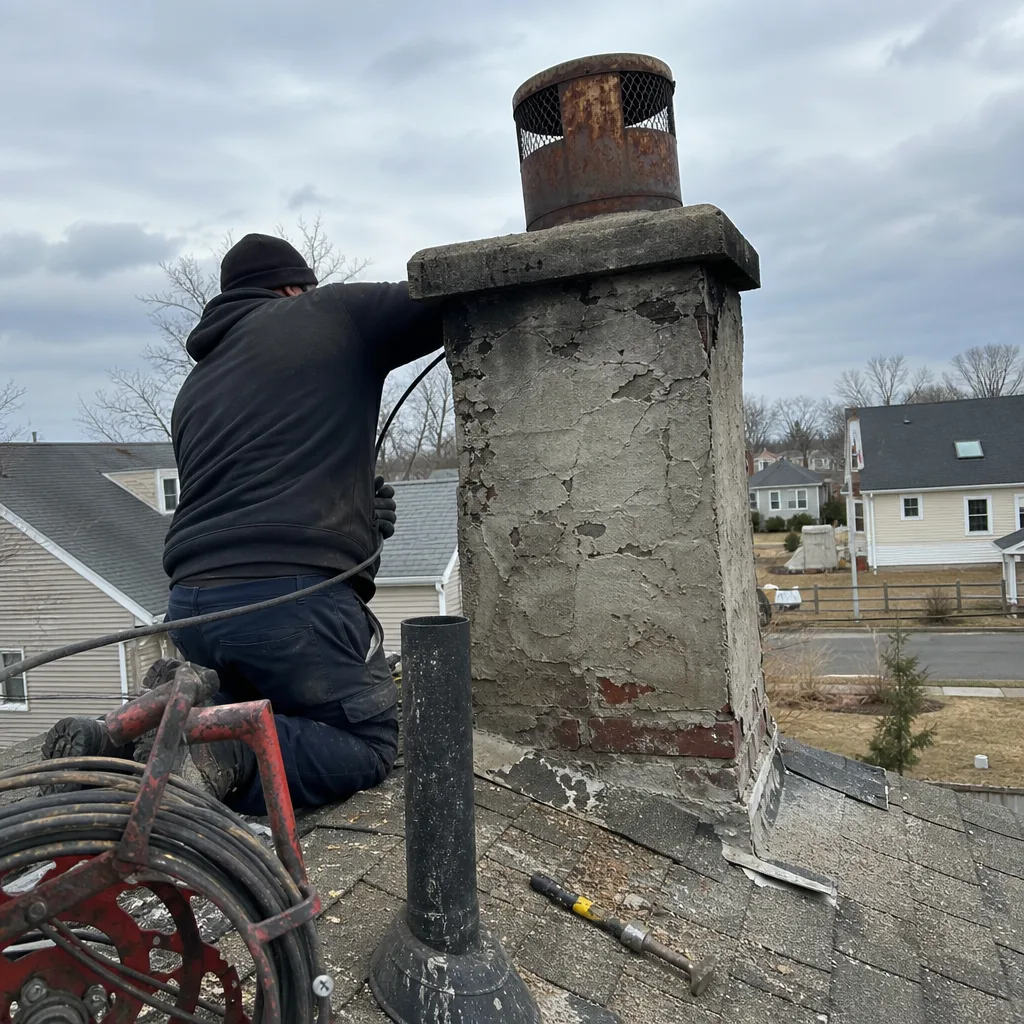
- Visual inspection of the flue lining, crown, and cap. This is where the experience shows. A good sweep is looking for cracks, spalling, missing mortar, rusted-out caps, and animal entry points.
- Written report and photos. We’ll get into why this matters later, but you should leave with a record of what was found and what it looked like.
Wendell and his crew use brushes matched to the liner type and creosote stage. A third-degree glaze requires different handling than a first-degree dusting. That’s the other thing the chain operations don’t always do: adjust the method to what’s actually in your flue, not what the work order says.
Top Hat Chimney has been doing this work in Long Beach since 1999. The job hasn’t changed much. But the number of homeowners who’ve never had it explained to them honestly hasn’t changed either. When we finish a sweep, you’ll know exactly what we found, what we did, and whether anything needs watching. No mystery, no pressure. If you’re weighing DIY vs professional chimney cleaning, here’s our Long Beach homeowner’s decision guide.
Level 1, 2, and 3 Inspections: What They Mean and Which One You Need
The CSIA (Chimney Safety Institute of America) defines three levels of chimney inspection. Most people don’t know the difference, and plenty of companies won’t volunteer it. Here’s the plain-English version, in the context of Long Beach specifically.
- Level 1: This is the standard inspection that comes with every routine sweep. The sweep checks the readily accessible parts of the chimney: firebox, damper, visible flue surfaces, exterior chimney condition from the ground. No camera, no demolition. This is what you want for a chimney that’s been working fine, is vented properly, and hasn’t changed use. Most Long Beach homeowners need a Level 1 once a year, paired with their cleaning.
- Level 2: This is a camera inspection of the full flue interior. It’s required when you buy or sell a home, when the chimney has experienced a chimney fire, when there’s been a significant weather event (read: a nor’easter that pounded the stack), or when you’re changing the appliance vented into the flue. A Level 2 is also what we recommend for any Long Beach home that hasn’t had its liner examined in years, because salt-air degradation doesn’t reliably show up in a visual-only inspection.
- Level 3: This is invasive. It means taking apart part of the chimney or the surrounding structure to access concealed areas. You’ll only need a Level 3 if a Level 2 reveals a problem that requires looking inside a wall or removing a section of the chimney. Rare, but it happens in older Long Beach homes where the original chase construction hides part of the flue.
Here’s the practical rule for most Long Beach homeowners: if your chimney is working and you use it every winter, a Level 1 with your annual cleaning is adequate. If you’ve owned the house for more than three years and have never had the liner looked at with a camera, get a Level 2. If you just came through a storm that sent salt spray over your roof line, at minimum get a Level 2 recommendation from your sweep. Wendell performs Level 1 and Level 2 inspections regularly on fireplaces across Long Beach. The camera footage and a plain-English verdict, every time, no exceptions.
Pre-1960 Bungalow Fireplaces: What Older Long Beach Homes Reveal
A lot of the housing stock in Long Beach dates back to the 1920s through the 1950s. Those bungalow fireplaces were built to different standards than modern ones. Clearances were tighter. Liners were often clay tile, sometimes only two feet tall, then a masonry flue above. The mortar used then wasn’t formulated for salt air. The result is that older Long Beach fireplaces have specific failure patterns that a sweep working from a generic checklist will miss.
In older homes, we commonly find that the smoke chamber was parged too thin or never parged at all. We find that the damper throat was cast for coal, not wood, and has dimensions that don’t match modern fireboxes. We find that the original liner has cracked near the top where decades of rain and salt spray have done their work. And we find that the crown, the concrete or mortar cap at the very top of the chimney, has dried out and cracked, allowing water into the structure.
Why does this matter for cleaning? Because the findings change what the cleaning reveals. A sweep going up a flue in a 1930s Long Beach cottage needs to know that the old clay tiles in that era were thinner and more brittle than modern tile. Aggressive mechanical cleaning can damage them. A good sweep uses brushes and pressure appropriate to the liner’s age and condition. That’s not in a training handbook. That’s experience, and it comes from having worked on enough Long Beach chimneys to know what the original builders used and what’s still holding up a century later.
If you own one of these older homes, the question after a sweep shouldn’t just be “is the creosote gone?” It should also be “what did the old liner look like, and is there anything I should budget for?” A good sweep will tell you plainly when the work can wait. Wendell has never chased a sale on liner work that wasn’t needed. When the camera shows a crack, you’ll see it. If it doesn’t, you’ll see that too.
Post-Storm Chimney Checks: When a Nor’easter Demands a Second Look
A nor’easter is not the same as a regular rainstorm. It’s sustained wind driving water horizontally, salt spray carried for blocks, and sometimes hours of pounding against the same side of the chimney. After a storm like that, the annual cleaning is not enough. You need a post-storm inspection, and it’s a different animal.
Here’s what we check after a significant storm in Long Beach:
- Crown and cap condition. Wind-driven rain is the first thing that finds a crack in the crown. If the crown has any hairline opening, a nor’easter will drive water into it that a normal rain never would.
- Brick and mortar on the storm-facing side. The side of the chimney that took the wind will show damage first. Spalled brick faces, eroded pointing, and salt staining are all common after a bad season.
- Flue interior for moisture intrusion. Water inside the flue changes everything. It mixes with creosote to form an acidic slurry that eats at the liner. If there’s moisture in the flue, what was a cosmetic issue becomes a structural one.
- Damper and firebox for rust or watermarks. These are the tell-tale signs that water got in. Rust on a damper that was fine in September means the top of the chimney has a leak.
- Animal entry points. Storms displace nesting animals. After a nor’easter, the cap gets checked for gaps that a squirrel or raccoon could use.
The timeline matters too. If a bad storm has just come through, get a post-storm check before the next burn. Even if the annual cleaning was done in September and the storm hits in March, that’s a new event. It’s a new inspection. The two services are not interchangeable. A good chimney company will tell you that. A bad one will tell you the September visit still counts for this year.
What Chimney Cleaning Costs in Long Beach
Here’s the straight answer, because too many companies hide it hoping you’ll sit through a pitch first. A standard chimney sweep with a Level 1 inspection runs between $180 and $340 on this island. A Level 2 camera inspection adds another $150 to $350 depending on the length of the flue and the difficulty of access. Top Hat Chimney gives upfront pricing before a single tool comes off the truck, and the number you hear on the phone is the number on the invoice.
Here’s the breakdown by service type in the Long Beach market:
- Standard sweep + Level 1 inspection: $180-$340
- Sweep + Level 2 camera inspection: $330-$690
- Chimney cap replacement: $150-$450 depending on material and size
- Crown repair or rebuild: $400-$1,200 depending on extent
- Liner replacement (full): $3,000-$8,000 depending on flue size, liner material, and access
Those liner replacement numbers scare people, and honestly they should. But this is where the area’s honest sweeps earn their money: half the time we scope a liner in Long Beach and tell the homeowner it’s fine for another few years. If you’re not sure who to trust, read our guide on how to hire a chimney cleaning contractor in Long Beach. Salt air doesn’t mean every chimney is a disaster. It means the timeline gets shorter. A liner that might last forty years in Merrick lasts twenty-five on the island. Catch the early signs and you can plan for it. Ignore them and it becomes an emergency. Top Hat Chimney includes a free second opinion on any competing written estimate, so if another company has told you the liner needs to go, call us at (631) 378-3317 before you sign anything.
What a Good Sweep Leaves Behind: Reports, Photos, and Proof
Here’s something most people don’t think about until the insurance adjuster is standing in their living room: the paper trail from a chimney cleaning is evidence. If a storm damaged your chimney and you’re filing a claim, an insurance company wants to see that the chimney was maintained, that the damage is storm-related and not neglect-related, and that the condition of the flue before the storm is documented.
A proper sweep should leave you with:
- A written report describing what was found, what was cleaned, and what condition the liner, crown, cap, and damper are in. Not a verbal “looks fine” - a written record.
- Photos of the flue interior. If the sweep used a camera, you should see the images. You should see the creosote before and the clean surface after. You should see the crack they’re concerned about. Wendell shows every homeowner the camera footage before he leaves the driveway.
- A license number on the invoice. This matters in New York. A legitimate sweep has a license and isn’t shy about it being on the paperwork. Top Hat Chimney publishes its license number. It’s on the truck, the invoice, and the website.
- Any recommendations in writing, with a price. If the sweep recommends a cap replacement or crown repair, that recommendation goes in the report with a specific number. Not “we’ll get back to you.” A specific, written price.
That paper trail is what protects you when a nor’easter comes through and takes a brick off the stack. It’s also what tells you whether you’re dealing with a professional or a guy with a brush and a van. Repair pricing in Long Beach is more transparent when you’ve got the evidence in hand. If someone won’t show you photos or won’t put recommendations in writing, you’ve learned everything you need to know.
Creosote in Coastal Homes: What the Stages Mean
Creosote is the byproduct of incomplete combustion. Wood doesn’t burn completely; what’s left condenses on the flue walls as smoke cools on its way up. In a coastal climate like ours, the conditions for creosote formation are actually slightly different than inland. The flue is often colder at the top because of ocean winds, which means smoke cools faster, which means more condensation. And when salt air has roughened the liner surface, the creosote has more to grab onto.
The three stages of creosote, in plain terms:
- First-degree creosote: A fine, dusty coating, almost like soot. This is what you get from hot, clean-burning fires. It brushes off easily. This is a routine cleaning job. Your flue doesn’t care how the fire looks. It cares how it breathes, and first-degree creosote means it’s breathing fine.
- Second-degree creosote: Flaky, tar-like deposits with some hardened crust. This is harder to remove and takes more aggressive brushing. It forms from burning unseasoned wood or from fires that smolder instead of burn hot.
- Third-degree creosote: A hard, shiny glaze that looks almost like glass. This is the dangerous one. It’s highly concentrated fuel and can be difficult or impossible to fully remove with a standard brush. In some cases it requires chemical treatment, rotary cleaning with specialized chains, or in the worst cases, liner replacement.
First-degree creosote is a brush job. Third-degree is a glaze. Catch it early. That’s why the annual cleaning exists. Not because your chimney will catch fire the week you skip it, but because the second-degree creosote you didn’t clean this year is the third-degree glaze next year. And third-degree is where chimney fires and liner damage come from.
In Long Beach specifically, the temperature swings between the warm house interior and the cold ocean-wind exterior make for ideal creosote condensation environments. The top half of the flue is the trouble zone. If you’re burning wood, burn dry wood. But really, just get the annual sweep. It’s cheap insurance compared to what a chimney fire costs.
Products We Trust: What Goes Into a Long Beach Chimney Repair
When repair is needed, the materials matter. A liner or cap that’s going to live on top of a Long Beach chimney, exposed to salt air and nor’easter winds, has to be built for that environment. We work with products from DuraFlex for stainless steel liners, Olympia Chimney for caps and termination systems, and Copperfield for specialized chimney components. We don’t use generic off-brand parts because a chimney over the ocean is not the place to find out a part wasn’t built for corrosion resistance.
These are the products we’ve installed for years and that we stand behind on homes from the Walks to the East End. When a liner is built for coastal exposure, it lasts. When a cap is galvanized steel instead of stainless, it rusts in three winters and leaks into the crown. The difference in material cost is real, but the difference in lifespan is bigger. The 90-Day Done Right Promise applies to every single job we do, so if something’s not right, one call brings Wendell back. No fine print.
Common Mistakes to Avoid
- Skipping the annual sweep because the fireplace “wasn’t used that much.” Once a year, burn or no burn. Chimneys break in the off-season too. Salt air doesn’t take a season off. The flue is degrading whether you’re burning or not, and the annual visit is your chance to catch it early.
- Hiring a sweep based only on the lowest phone quote. The chapter above on pricing exists because this is the single most common mistake. A $99 “special” from a company that drives in from off-island usually ends with a $499 recommendation you can’t verify. Get a written report. See the photos. Ask for the license number.
- Treating a chimney cleaning as the only maintenance the chimney needs. Cleaning is one thing. The cap, crown, flashing, and masonry all age independently. A clean flue attached to a broken crown is a chimney that’s still leaking water into your house.
- Assuming the previous owner maintained the chimney. Every Long Beach home change in ownership resets the clock on what you know about the flue. A Level 2 inspection is the only way to establish a baseline. The real estate inspection doesn’t cover the flue interior.
- Burning unseasoned or treated wood. Wet wood smolders, smoldering creates second-degree creosote, and second-degree creosote becomes a problem. Treated wood releases chemicals that corrode liners faster than anything the ocean can throw at it.
- Ignoring a rusted damper because “it still opens.” A damper that’s rusting is the canary in the coal mine. It means water is getting in from above. The damper is the first thing to show it, but the crown or cap is where the problem lives.
- Waiting until September to book the cleaning. Everyone on Long Beach thinks about the fireplace the first week the temperature drops. That means the September and October calendar fills up fast. Book in the spring or summer. You’ll get the appointment you want, and the sweep has time to do the job thoroughly.
When to Call a Professional
Call a professional when you see any of these: thick, shiny creosote visible on the flue walls, water pooling in the firebox after rain, a rusted or seized damper, crumbling brick or mortar on the exterior chimney, animal sounds coming from the chimney, an unexplained burning smell when the fireplace isn’t in use, or if it’s simply been more than a year since the last cleaning. None of these are problems that fix themselves, and all of them get more expensive the longer they’re ignored. If you’re not sure what you’re looking at, snap a photo and phone a sweep you trust. Top Hat Chimney offers free estimates in Long Beach. Call (631) 378-3317 and Wendell or one of his crew will walk you through what you’re seeing.
Frequently Asked Questions
A standard chimney sweep with a Level 1 inspection in Long Beach generally runs between $180 and $340. Expect to pay more for a Level 2 camera inspection or if significant creosote buildup requires extra work. Top Hat Chimney gives you the price before work begins, and that’s the price you pay. Call (631) 378-3317 for an exact quote; estimates are free.
Once a year, burn or no burn. The salt air on the barrier island degrades liners and mortar joints faster than inland, and the annual sweep is also the annual chance to catch problems before they become structural. If you use the fireplace heavily or you’ve just been through a major storm, you may need a mid-season check as well. Our seasonal chimney cleaning care for Long Beach guide covers year-round maintenance timing.
Sometimes a liner genuinely needs replacement, and sometimes it doesn’t. The only way to know is to see the camera footage yourself. A good sweep will show you the cracks, the spalling, and the areas of concern, and will tell you plainly when the work can wait. Top Hat Chimney offers a free second opinion on any written estimate, so if another company has quoted you a liner replacement, call (631) 378-3317 before you make a decision.
Creosote accumulates, the flue narrows, and the chimney becomes less efficient and more dangerous. Second-degree creosote turns into third-degree glaze. Third-degree glaze is fuel for a chimney fire. And in Long Beach, skipping the cleaning also means missing the annual look at the liner, the crown, and the cap, which is when salt-air damage gets caught before it becomes an insurance claim.
Yes. Ocean air carries salt that settles on and within the porous surfaces of clay liners and mortar joints, accelerating corrosion at roughly twice the rate seen inland. Nor’easters drive water horizontally into chimneys in ways that regular rain doesn’t. A sweep who knows this island will look for different things than a sweep who just drove across the drawbridge.
Look for a company with a published license number, a local address, and a real person who answers the phone. Ask whether they do camera inspections. Ask whether you’ll get a written report. Ask what the price includes before they arrive. Wendell Pike has been serving this island since 1999, answers the phone himself more often than not, and shows every homeowner the camera footage before leaving the property.
The Bottom Line
Chimney cleaning in Long Beach is annual maintenance, not an occasional chore. Salt air, older housing stock, and nor’easter exposure mean the flue is under more stress here than in most of the county. A proper sweep includes mechanical cleaning, damper and crown checks, a written report with photos, and honest advice about what needs attention and what can wait. The paper trail protects you when something happens. The annual visit catches problems before they become emergencies. And the right sweep is a local who works the same streets you live on and puts his name on the work. Wendell Pike does this work every day and has done since 1999. If it’s been a year or more, pick up the phone.
Call Top Hat Chimney at (631) 378-3317 for a free estimate. Or stop by the Top Hat Chimney home page to see the full range of services and standing offers.
Written by Wendell Pike, Owner at Top Hat Chimney, serving Long Beach since 1999.