
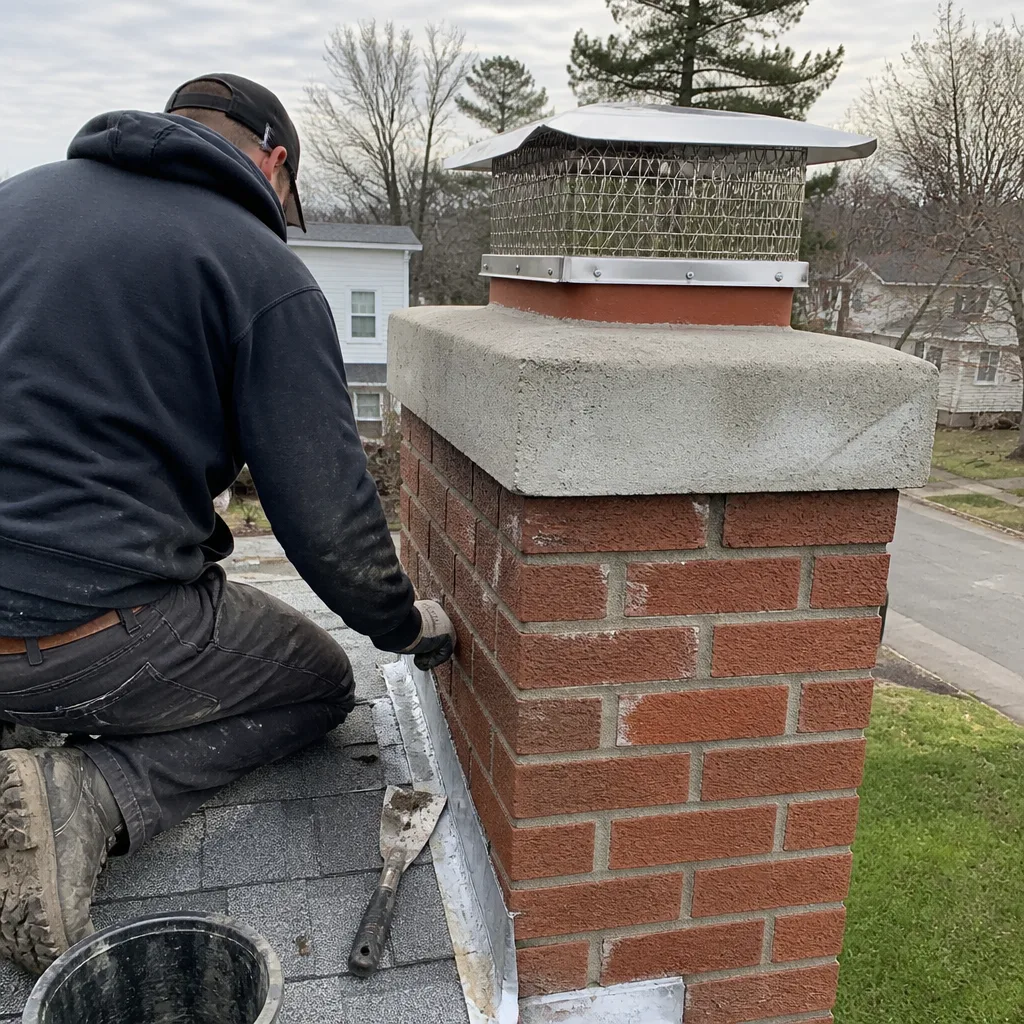
Level 1 sweep and inspection to the NFPA 211 annual standard - flue, crown, cap, and flashing checked and photographed
Chimney sweep logs do not sweep chimneys. They loosen some creosote - which then falls where a brush and vacuum still have to collect it.
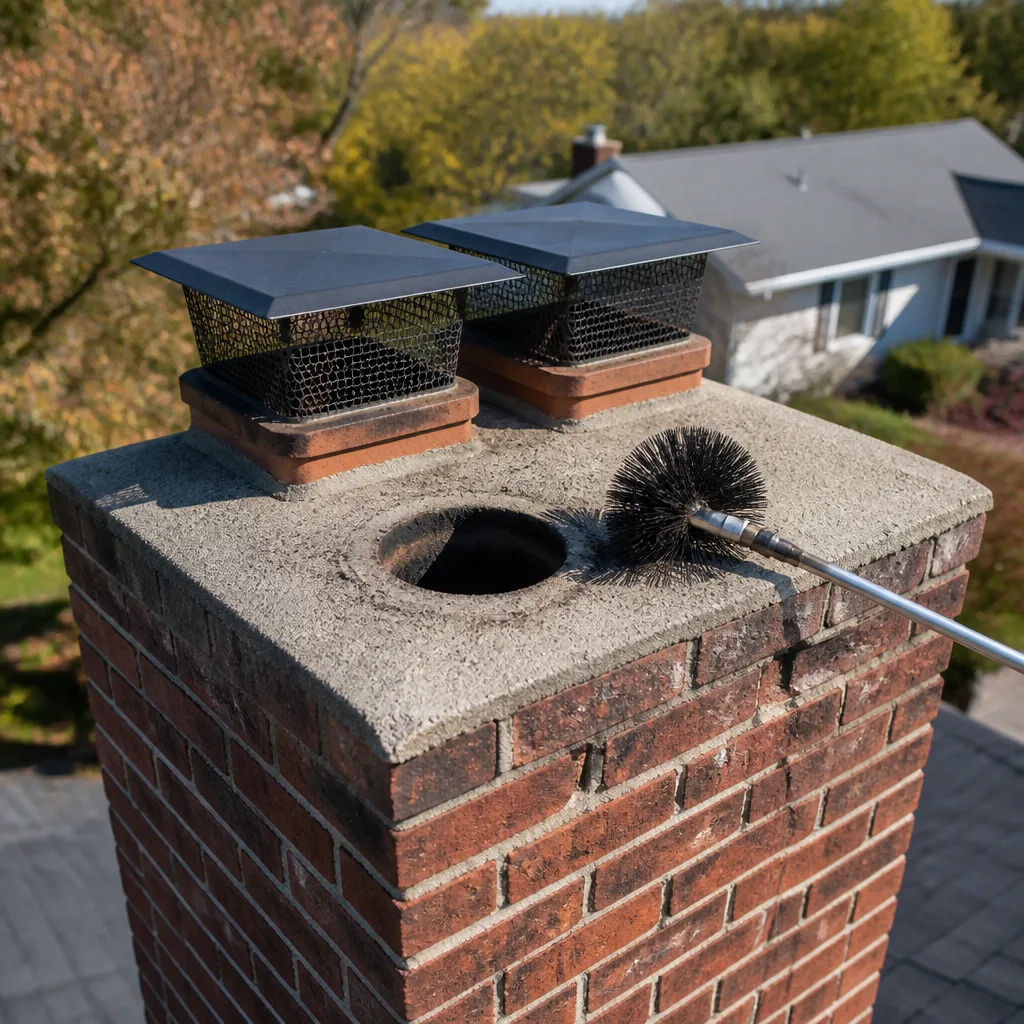
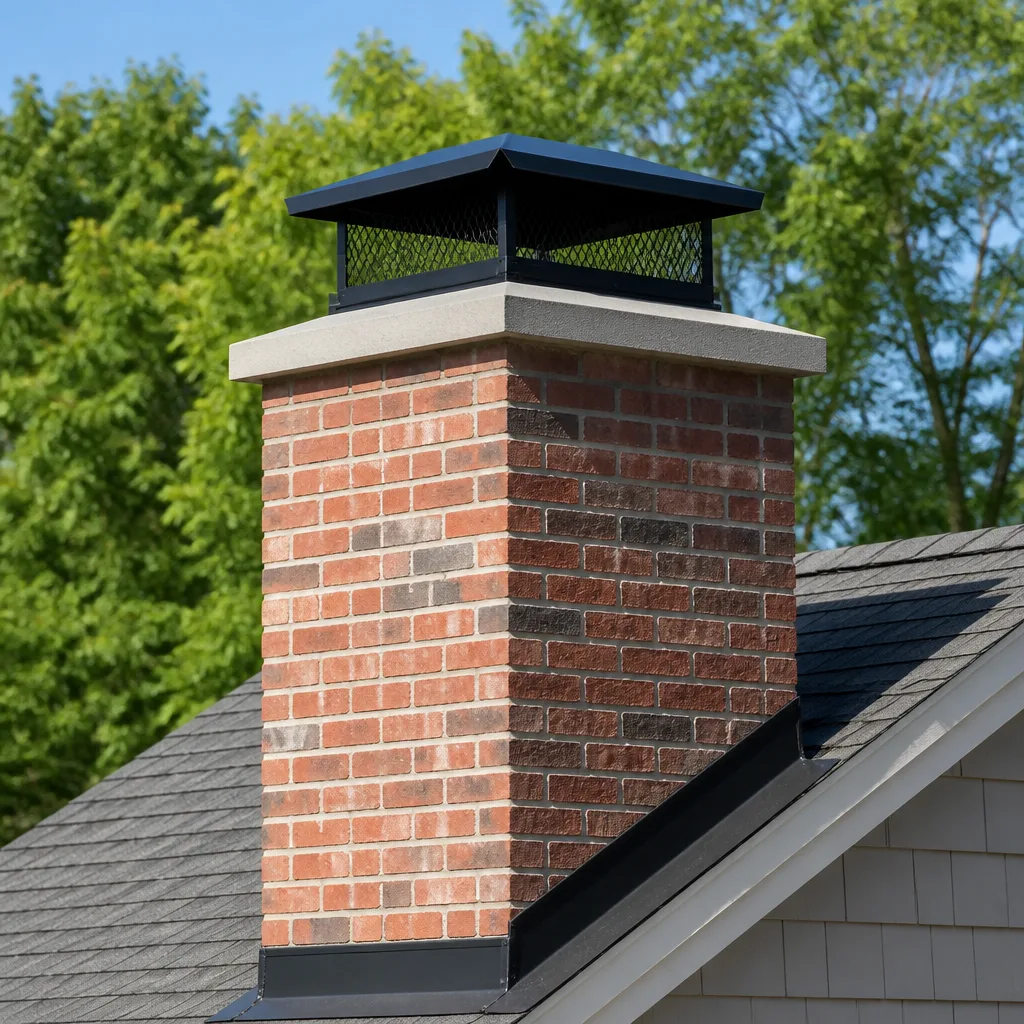
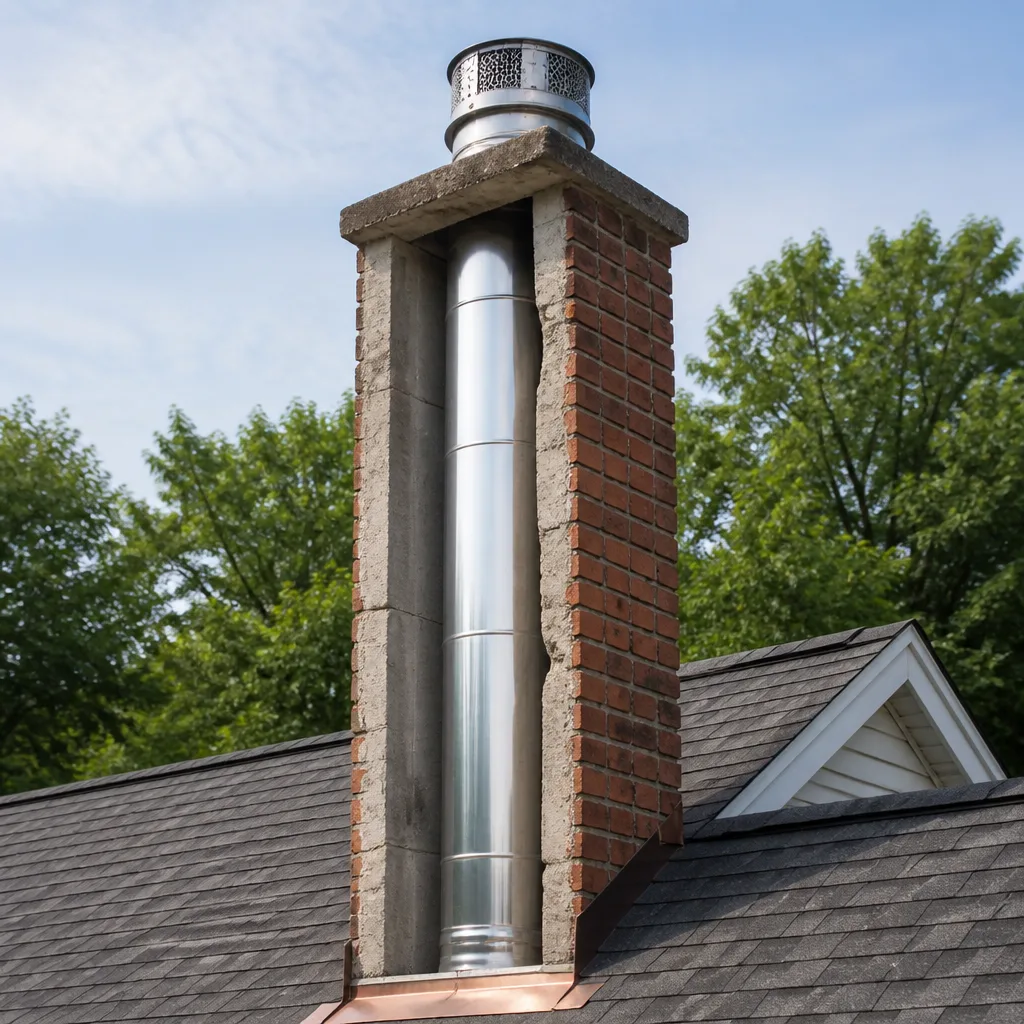
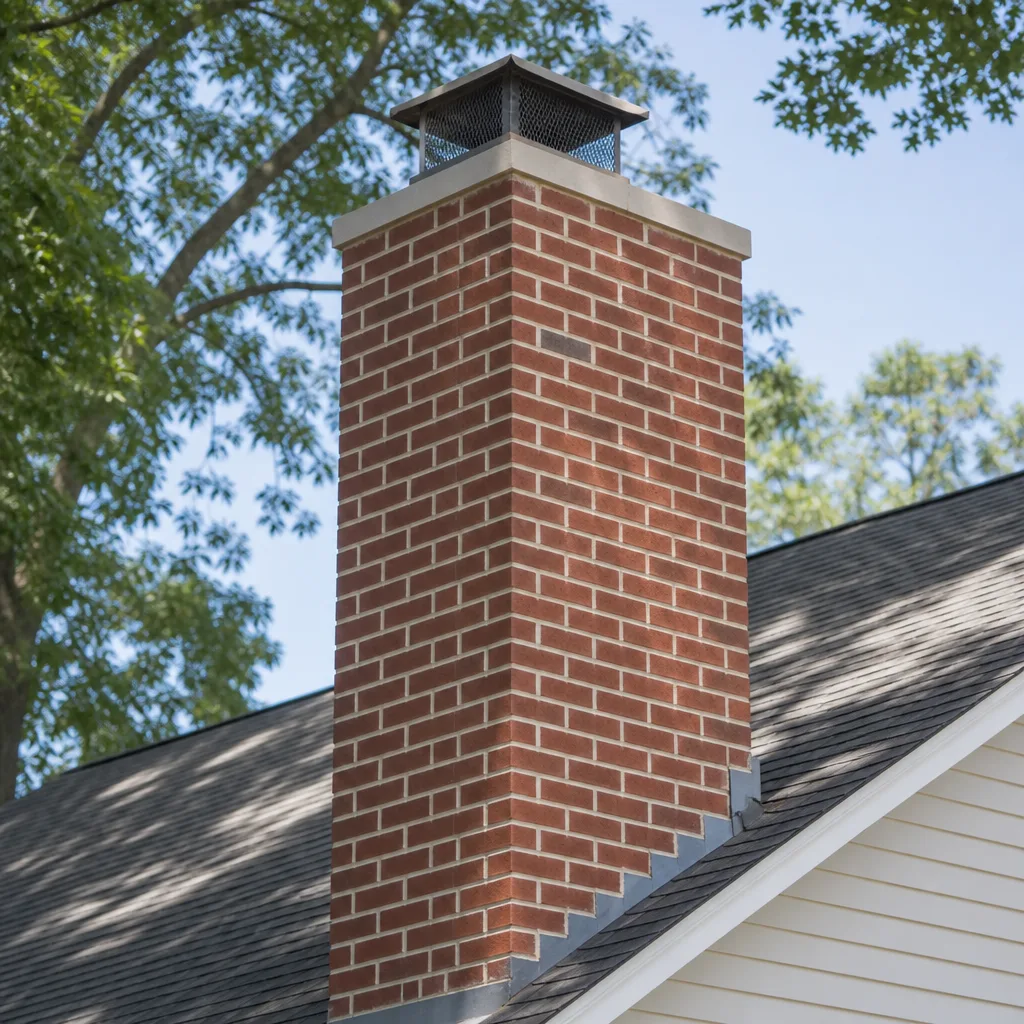
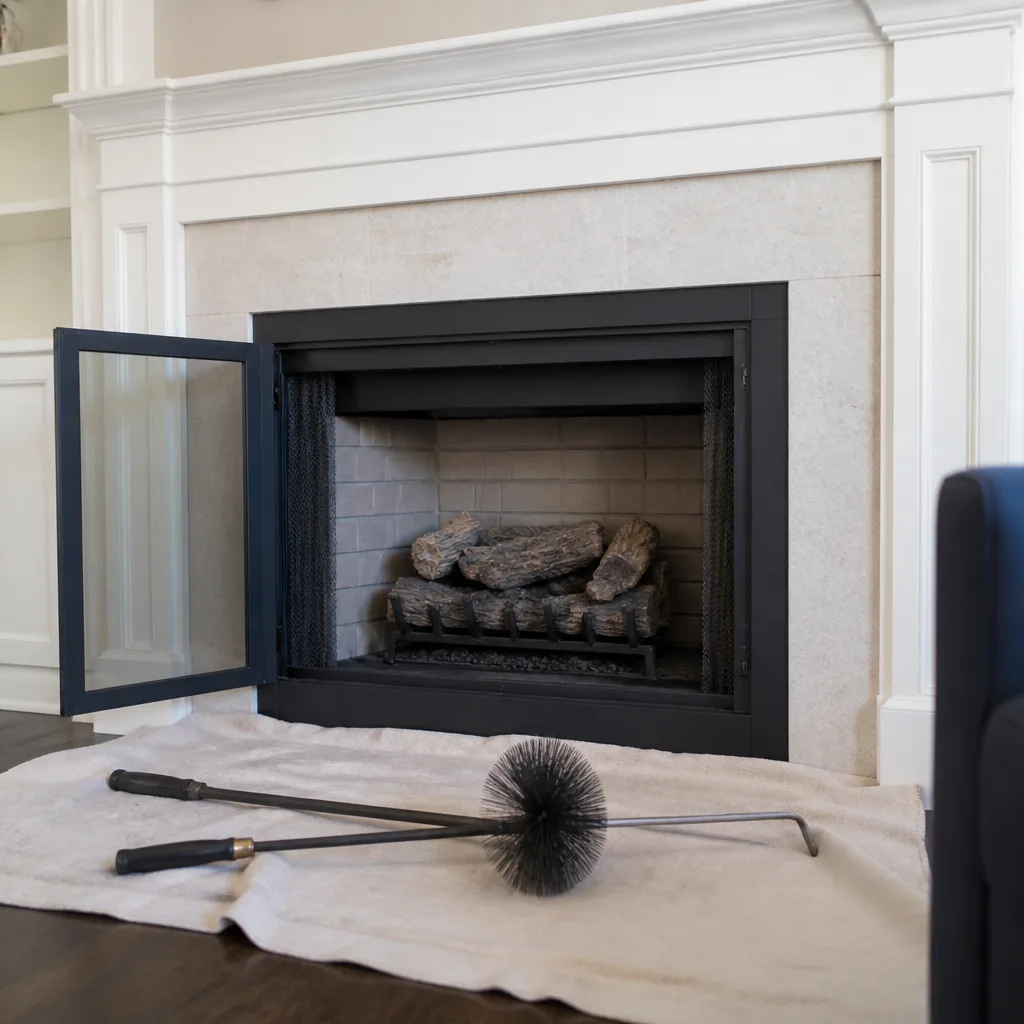
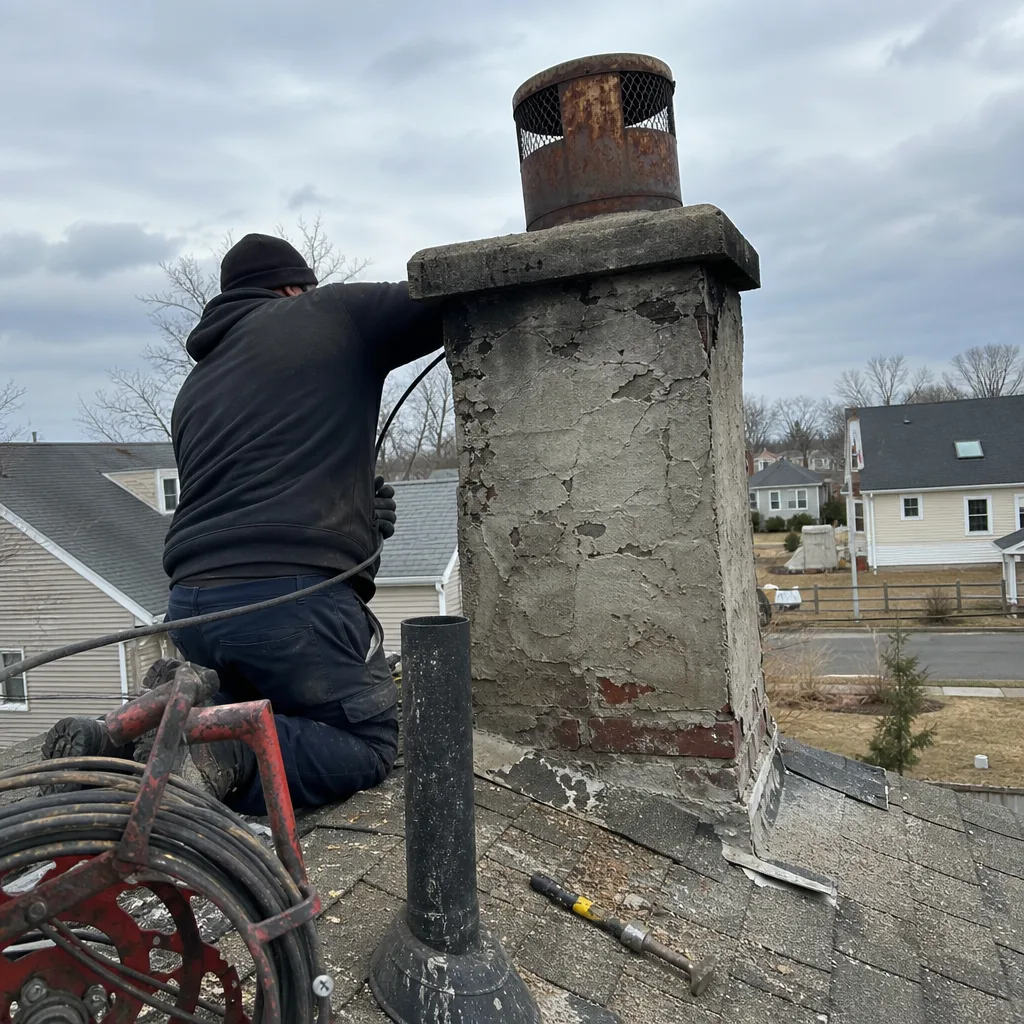 Before
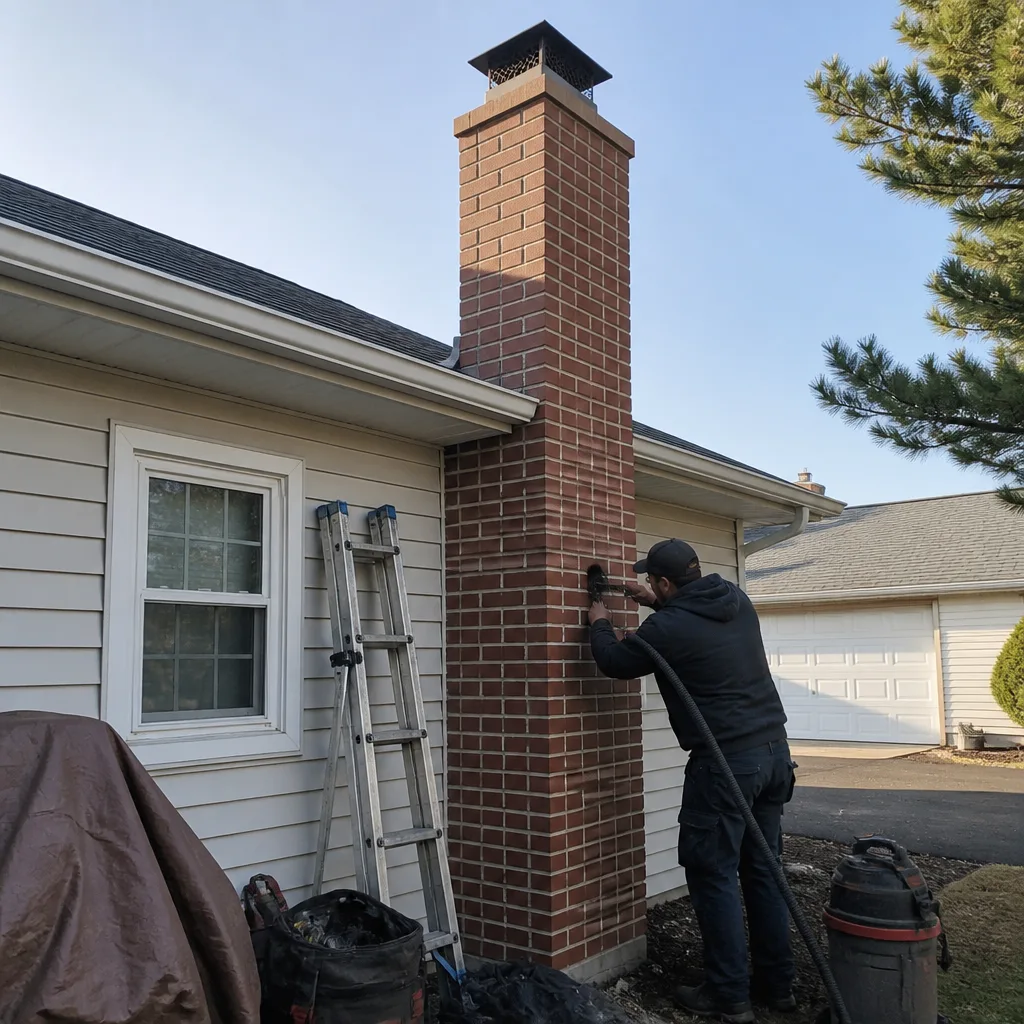 After
After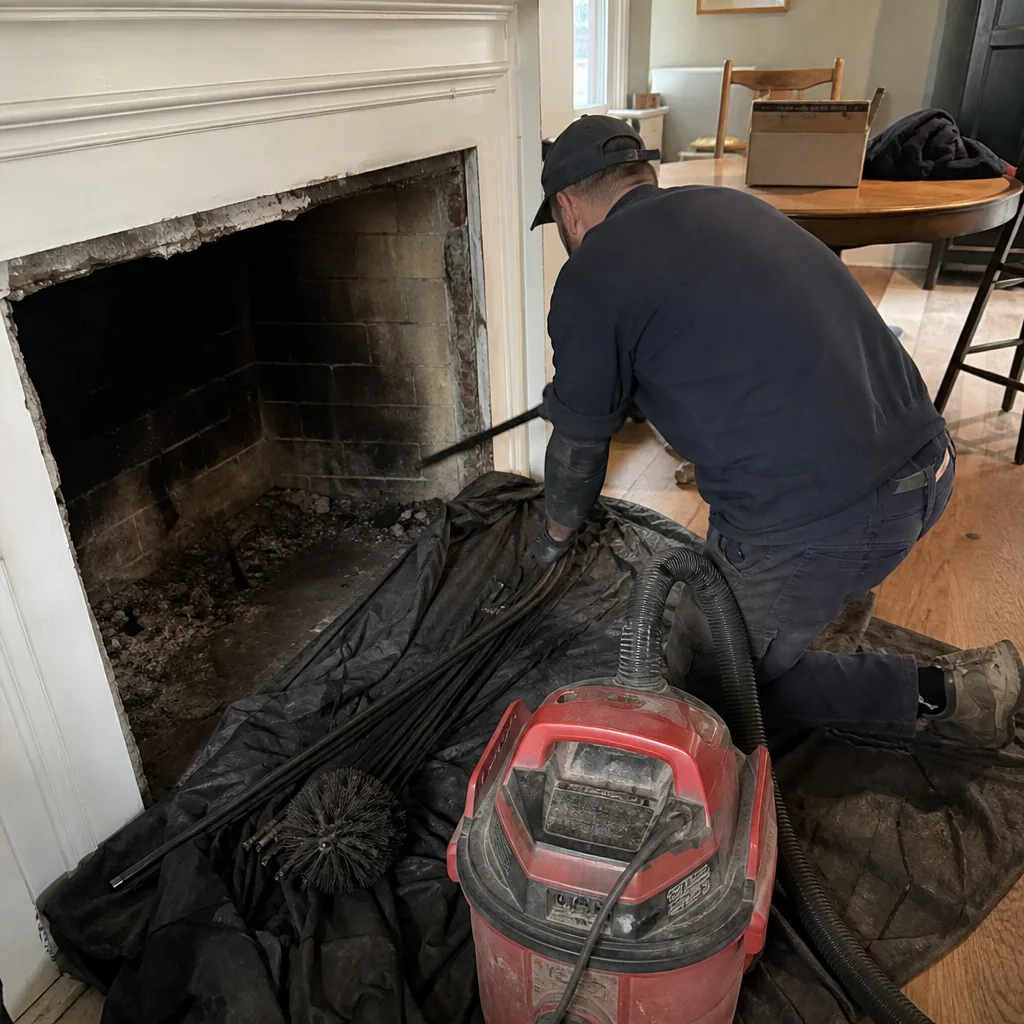 Before
 After
After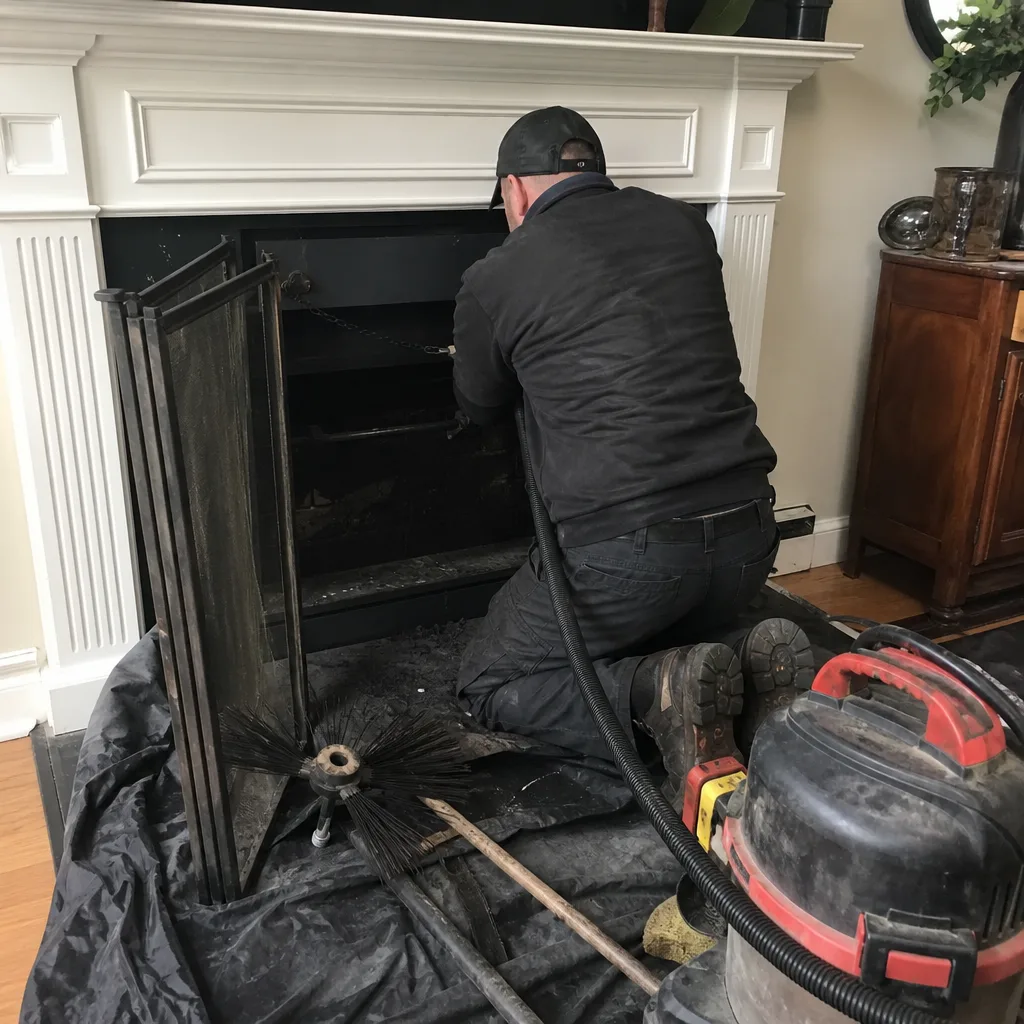 Before
 After
AfterCreosote Removal in Long Beach, NY
Creosote removal in Long Beach typically runs $150 to $800, depending on how far the buildup has progressed and how long it has been left alone. Most first-degree cleanings are done in a single visit. Third-degree glazed creosote – the kind that looks like black tar poured down your flue – takes more than a brush; it takes a chemical treatment and sometimes a second trip.
If you use your fireplace or wood stove regularly and it has been more than a year since anyone looked inside that flue, there is a reasonable chance creosote is building up right now. Our Chimney Cleaning & Sweep services can clear it before it becomes hazardous. Long Beach homes that burn wood through the winter – and with the salt air off Reynolds Channel, plenty of people here keep a fire going from November through March – tend to accumulate creosote faster than the average estimate you’ll read on a national site. Cold air outside, warm smoke inside, and a flue that has not been sized or lined recently: that combination accelerates deposition.
Wendell Pike and his crew have been pulling creosote out of Long Beach chimneys since 1999. This work sits squarely inside our Chimney Cleaning & Sweep in Long Beach service, and you can reach us any hour of the day or night at (631) 378-3317 – a live person picks up, not a machine.
When You Need Creosote Removal
- You smell something oily or smoky when the fireplace is cold. A closed damper that still lets a burnt, acrid smell into the room is one of the clearest signs that glazed creosote is off-gassing into your living space. We see this regularly in older Long Beach Colonials where the fireplace sees heavy seasonal use.
- Your fires burn sluggishly or smoke rolls back into the room. Heavy creosote narrows the flue opening the same way grease buildup narrows a kitchen drain. Restricted airflow is the result, and a poorly drawing fire is the symptom you notice first.
- It has been more than 12 months since your last sweep. Once a year, burn or no burn. The National Fire Protection Association standard (NFPA 211) says annual inspection is the minimum – not a suggestion, a floor. If you skipped last season, the question is not whether to clean it but how much is in there.
- You have recently switched to wetter or unseasoned wood. Green wood burns cooler and produces far more creosote per cord than properly seasoned hardwood. If someone dropped off a load that smelled fresh-cut, your flue paid for it.
- You had a chimney fire, even a small one. A low-grade flue fire can sound like distant rumbling or a deep whoosh. Many homeowners in the East End area never realize it happened. If you suspect one, stop using the fireplace and call us before lighting another match – the creosote that fueled that fire has likely hardened into a glaze that no brush will touch.
- Your last inspection showed Stage 2 or Stage 3 buildup. If another sweep or inspector left you a report with those words and you have not acted on it, that paperwork is not a formality. Stage 3 creosote is classified as an extreme fire hazard and requires chemical treatment before mechanical removal is safe or effective.
Our Creosote Removal Process
Every job, from a routine Fireplace Cleaning to full creosote removal, starts and ends the same way: you know what we found, what we did, and what – if anything – comes next. No vague verbal summaries. Camera footage and a plain-English verdict, every time.
- Visual and camera inspection before we touch anything. Wendell or one of his crew drops a high-resolution camera down the flue before a single brush comes off the truck. We are looking at the degree of creosote accumulation, whether it is powdery and loose (Stage 1), flaky and tar-like (Stage 2), or glazed and hardened (Stage 3). That footage determines every decision that follows. You watch it with us if you want to.
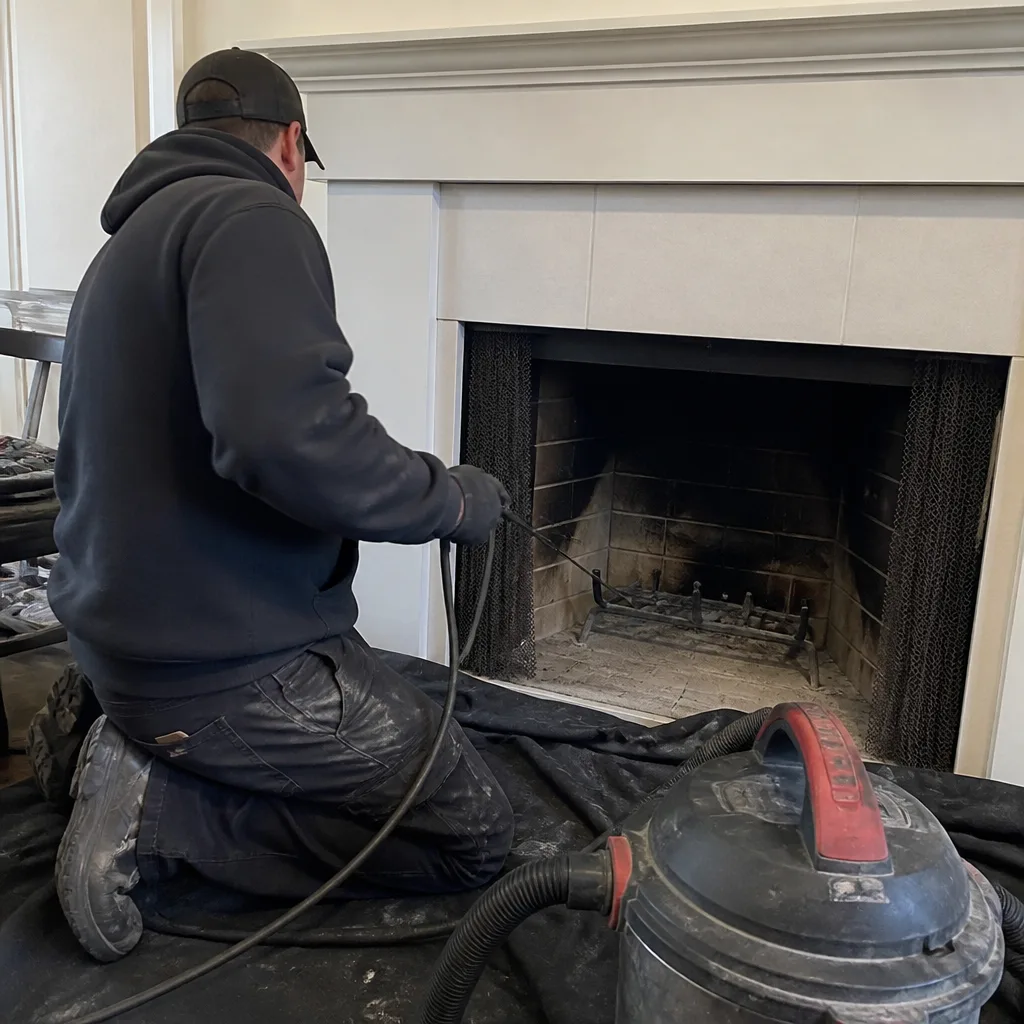
- Prep and containment. Drop cloths go down on your floors and around the firebox opening. We seal the fireplace face with a dust barrier before we start brushing. Long Beach homes – especially the older wood-frame houses in the Beachside and East Park neighborhoods – have rugs, hardwood, and furniture that do not deserve a coating of soot because a sweep was in a hurry.
- Mechanical removal for Stage 1 and Stage 2 buildup. Rotary brush systems work from the top of the flue down for most residential chimneys. We use rods and brushes sized to the actual liner dimension – not a one-size kit. Loose and flaky creosote drops into the collection area at the firebox, then gets bagged and removed from your property. We do not leave a pile in the backyard.
- Chemical treatment for Stage 3 glazed creosote. Glazed creosote cannot be brushed off – it is bonded to the flue wall. We apply a professional-grade chemical modifier (products from the Copperfield line are among what we carry, depending on the specific situation) that converts the glaze into a brittle, removable residue. That treatment needs time to work – typically 7 to 14 days – before a second visit completes the mechanical removal. We schedule the follow-up before we leave your driveway.
- Post-removal camera review. Once the flue is clear, the camera goes back down. You see the before and after side by side. If there are liner cracks, damaged mortar joints, or a deteriorated smoke chamber that the creosote was hiding, we show you exactly where they are and what the repair options look like. No pressure, no upsell – just what the camera found.
- Written summary and 90-Day Done Right Promise. Every completed job leaves your house with a written record of what was done and the 90-Day Done Right Promise stamped on it. If something is not right within 90 days, one call brings us back at no additional cost. That is in writing on every invoice – not a verbal assurance, not a policy buried on a website.
Creosote Removal Pricing in Long Beach
Creosote removal in Long Beach costs more or less depending on three things: how much is in there, what stage it has reached, and whether the flue liner is straight or has offsets and angles that slow the work. Here are honest ranges based on what we actually encounter in this market.
| Creosote Stage | Typical Range (Long Beach) | Notes |
|---|---|---|
| Stage 1 – Powdery / flaky | $150 – $280 | Usually included in a standard sweep; single visit |
| Stage 2 – Tar-like buildup | $280 – $475 | Heavier brushing, longer time on site; single visit in most cases |
| Stage 3 – Glazed / hardened | $475 – $800+ | Chemical treatment plus return visit; two-appointment process |
| Chemical modifier treatment only (if DIY removal follows) | $120 – $200 | We apply; homeowner handles brush sweep (not our recommendation for safety reasons) |
A few things that push the number higher in Long Beach specifically: tight access on older in-town homes where roof pitch and neighboring structures limit top-down work; liner damage that turns up during the camera inspection and needs documenting; and flues that have not been cleaned in five or more years, which we see more often than you might expect along the beachfront blocks where the house sits empty part of the year. In those cases we may recommend a Level 2 Inspection to fully assess the system.
We quote upfront. The number you hear on the phone after we ask a few questions is the number on the invoice when the job is done. There are no surprises at the door. And if you have a written estimate from another chimney service, our standing offer is a free second opinion on any competing quote – no obligation, no charge for the opinion.
Seniors and veterans receive 10% off, always. Any repair over $200 qualifies for $40 off. Both offers apply to creosote removal work.
Call (631) 378-3317 to get an accurate estimate before anyone sets foot on your roof. Estimates are free, and there is no trip charge for calls inside our service county.
Why Third-Degree Creosote Is in a Different Category
First-degree creosote is a brush job. Third-degree is a glaze, and the difference matters more than most homeowners realize. Glazed creosote burns at temperatures above 2,000 degrees Fahrenheit. A standard flue liner – even a newer terra cotta liner in good condition – is not rated for sustained heat at that level. When glazed creosote ignites, the liner cracks, the surrounding masonry gets exposed, and adjacent framing can reach ignition temperature. This is not a slow process.
We say this not to alarm you but because it is the honest reason why Stage 3 removal is a two-step job. The chemical modifier we apply works by changing the molecular structure of the glaze so it can be brushed out. Skipping straight to mechanical removal on glazed creosote risks driving the chimney brush through the buildup unevenly, potentially leaving hot spots or dislodging chunks that re-lodge further down the flue. Do it right or do it twice.
High-tension cables, electrical panels, and gas lines all carry their own safety warnings. Glazed chimney flues belong in the same category. If a company is quoting you Stage 3 removal as a one-hour, one-visit job without any mention of chemical treatment, ask them to explain the process in detail before you sign anything.
Creosote and Long Beach’s Salt Air
This is specific to where you live and most chimney guides skip it entirely. Long Beach sits on a barrier island, which means the salt air off the Atlantic and Reynolds Channel does real work on masonry and mortar over time. What that has to do with creosote: deteriorating mortar joints and spalling brick inside the firebox and smoke chamber create irregular surfaces where creosote adheres faster. A flue in perfect condition sheds smoke cleanly; a flue with roughened, pitted surfaces from moisture and salt exposure is a better creosote magnet.
We factor that in when we scope a job. If the camera shows mortar erosion alongside the creosote, we note it and explain how the two problems interact. Cleaning the creosote without flagging the underlying surface damage means you will be back in the same spot faster than you should be. That kind of straight talk is what Wendell built this business on, and it is still how every job goes.
FAQs – Creosote Removal in Long Beach
How much does creosote removal cost in Long Beach, NY?
Creosote removal in Long Beach runs roughly $150 to $800, with Stage 1 cleaning at the lower end and Stage 3 glazed creosote treatment at the higher end. Stage 3 jobs require a chemical treatment visit followed by a mechanical removal visit, which is why the cost is higher. The exact number depends on how long the buildup has been accumulating, the liner type, and flue dimensions. Call (631) 378-3317 and we will give you an upfront price before any work starts – estimates are free.
Can creosote removal be done in one day?
Stage 1 and Stage 2 creosote removal is done in a single visit in almost every case. Stage 3 glazed creosote cannot be done in one day safely – the chemical modifier needs 7 to 14 days to convert the glaze to a removable residue before the mechanical sweep can complete the job. Any company telling you they can remove heavily glazed creosote in one hour on one visit either has not looked at what is in your flue or is cutting corners. We schedule the return visit before we leave, so you are not chasing anyone down.
Is creosote removal the same as a chimney sweep?
Not exactly. A standard chimney sweep handles Stage 1 creosote as a routine part of the cleaning. When buildup has reached Stage 2 or Stage 3, the work requires more time, heavier-duty equipment, and – for Stage 3 – chemical treatment that a basic sweep does not include. Our full home service menu covers everything from routine sweeps to full liner replacements; creosote removal at any stage is part of what we do. If we show up for a sweep and find something more serious, we tell you before we add anything to the scope or the bill.
How do I know if I have Stage 3 creosote without calling a sweep?
Stage 3 creosote looks like black or dark brown tar that has hardened to a glaze – it will have a shiny or swollen appearance on the flue wall and will not chip easily with a fingernail. You can sometimes see it just inside the smoke chamber if you look up past the damper with a flashlight. But honestly, the safest way to know is a Level 1 Inspection with a camera, because Stage 3 buildup at the top of the flue looks different than what you can reach from the firebox opening. If your fires have been sluggish, you have noticed an oily smell, or it has been more than a couple of years since anyone inspected the flue, call (631) 378-3317 and we will look before you light another fire.
Key Takeaways
- Creosote removal in Long Beach costs $150 to $800 depending on buildup stage – Stage 1 is a standard brush job; Stage 3 requires chemical treatment and a follow-up visit.
- Long Beach’s salt air and moisture accelerate mortar erosion, which creates rougher flue surfaces and faster creosote accumulation than inland homes typically see.
- Once a year is the minimum inspection interval – whether you burned wood all winter or used the fireplace twice.
- Third-degree glazed creosote is a fire hazard that burns above 2,000 degrees and cannot be safely removed in a single brush visit; be skeptical of any quote that says otherwise.
- Top Hat Chimney has served Long Beach since 1999. Wendell Pike’s name is on the truck, the invoice, and the 90-Day Done Right Promise that backs every job in writing.
- Upfront pricing, live phone coverage around the clock, and a free second opinion on any competing written estimate – no trip charge inside the service county.
Ready to Schedule? Call Wendell.
If you are not sure what stage the creosote in your flue has reached, that is exactly why the camera goes down first. We look, we show you, and we give you a straight answer – no pressure, no inflated scope. Wendell and his crew have been doing this work in Long Beach since 1999, and the reputation is local enough that you can ask anyone on your street.
Call (631) 378-3317 any time, day or night. A live person answers – it may well be Wendell himself. Free estimate, upfront pricing, and the 90-Day Done Right Promise on every job. Seniors and veterans get 10% off, and any repair over $200 gets $40 taken off the top.
For the full picture on what a professional chimney sweep includes, see our Chimney Cleaning & Sweep in Long Beach page.
Written by Wendell Pike, Owner at Top Hat Chimney, serving Long Beach.