
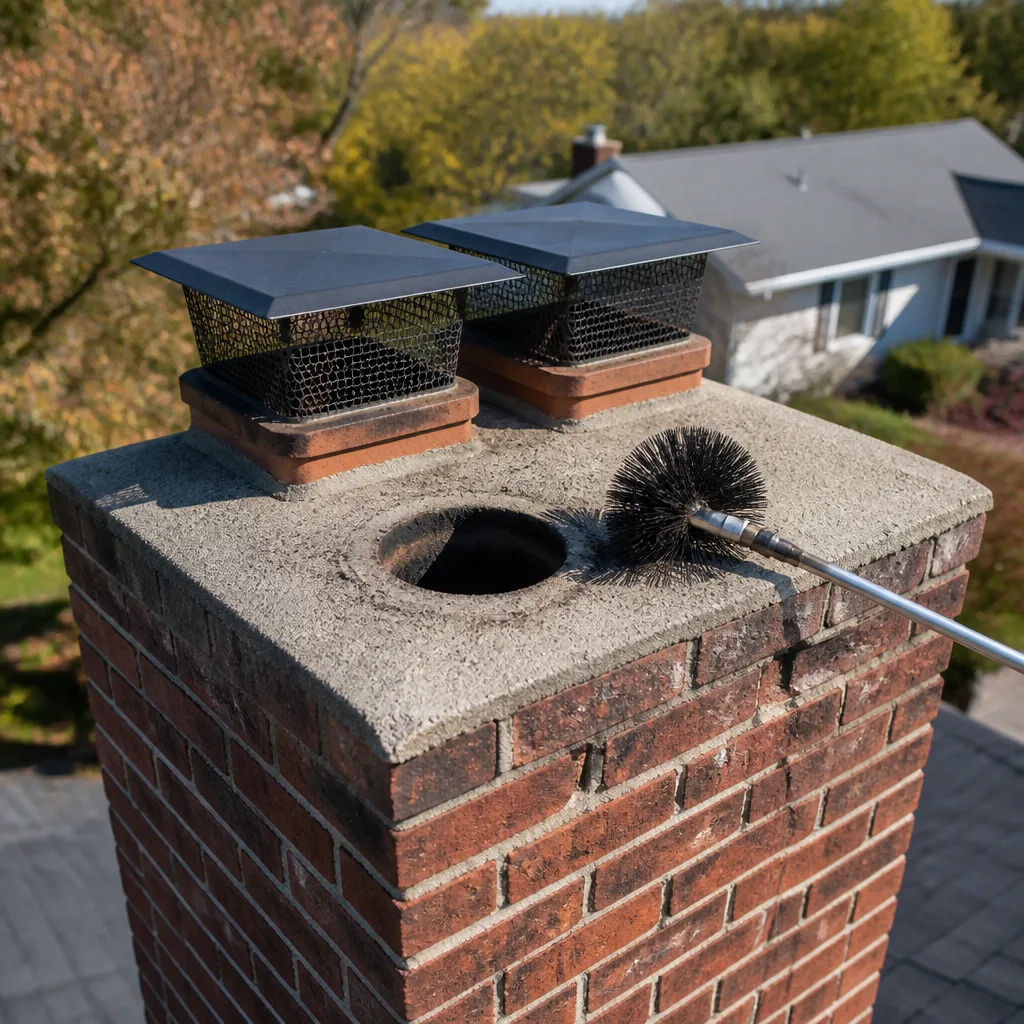
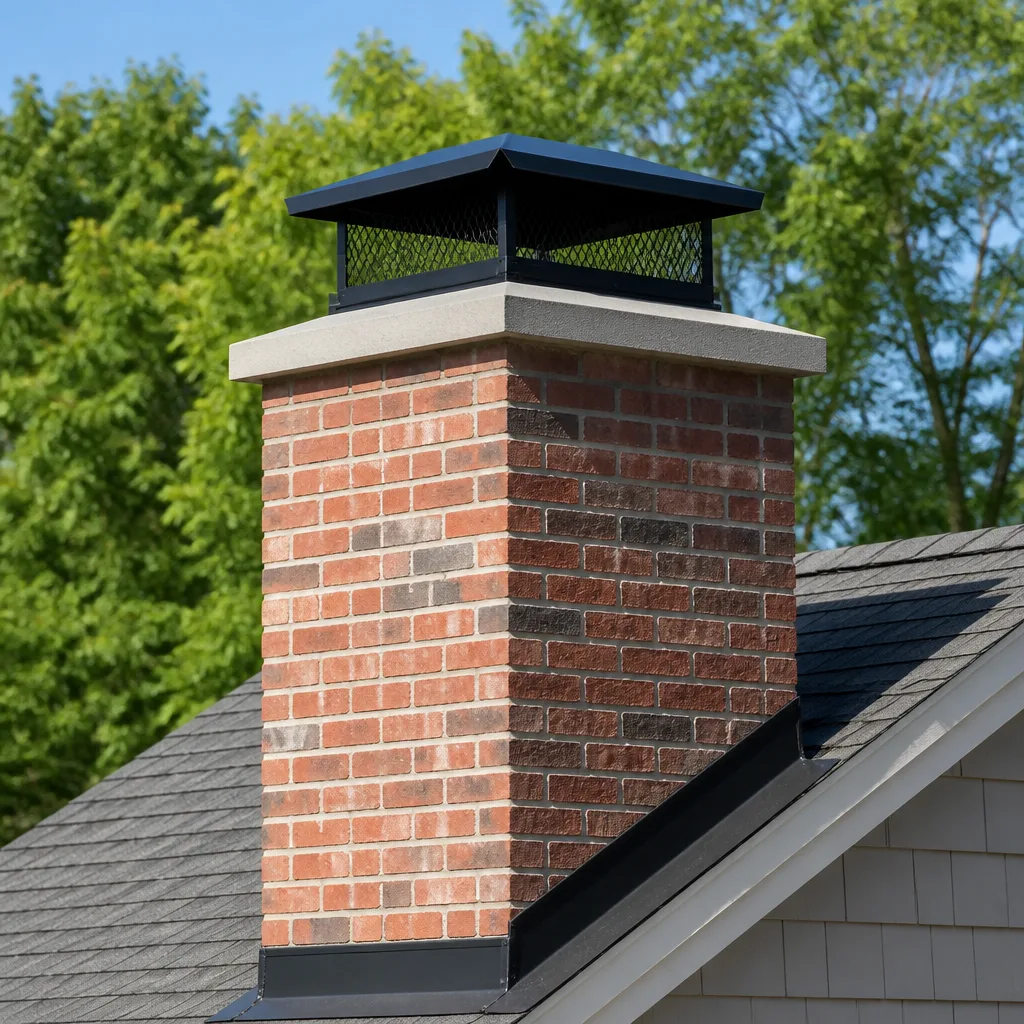
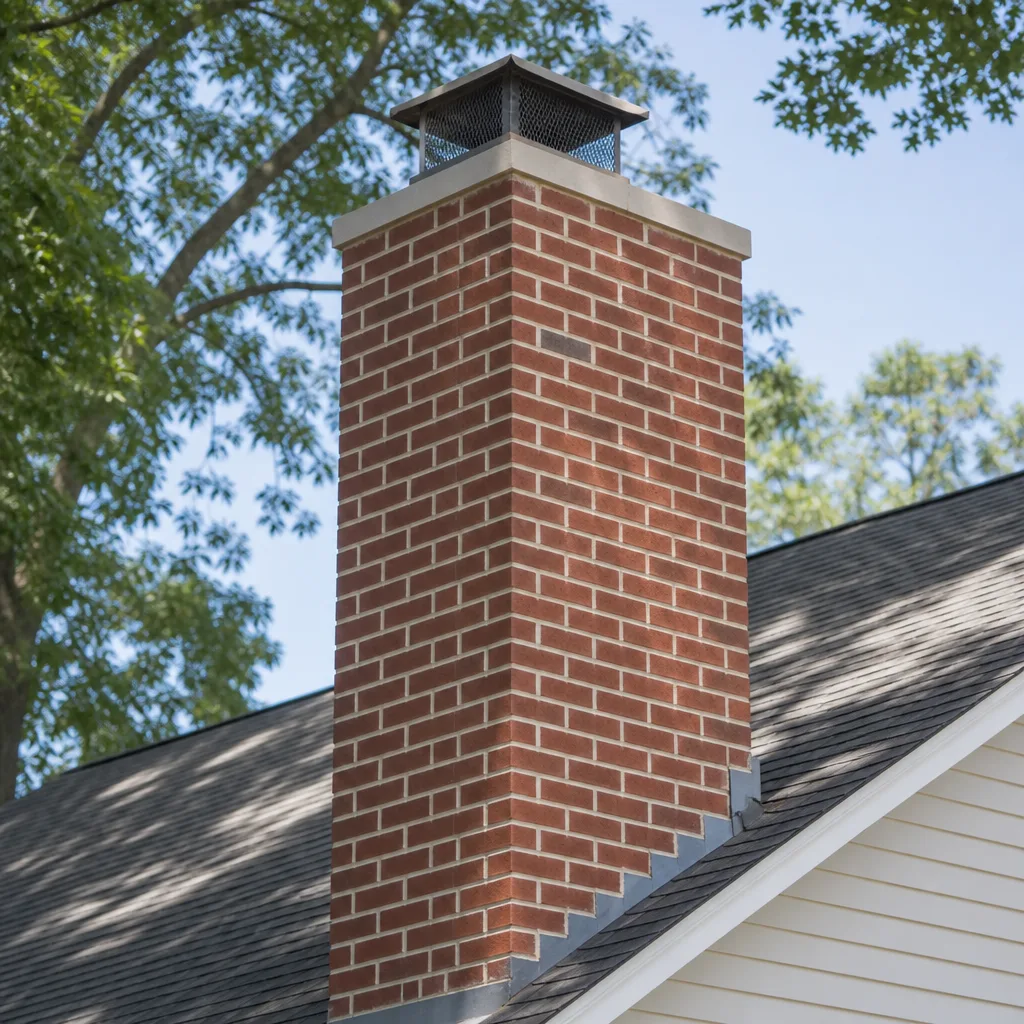
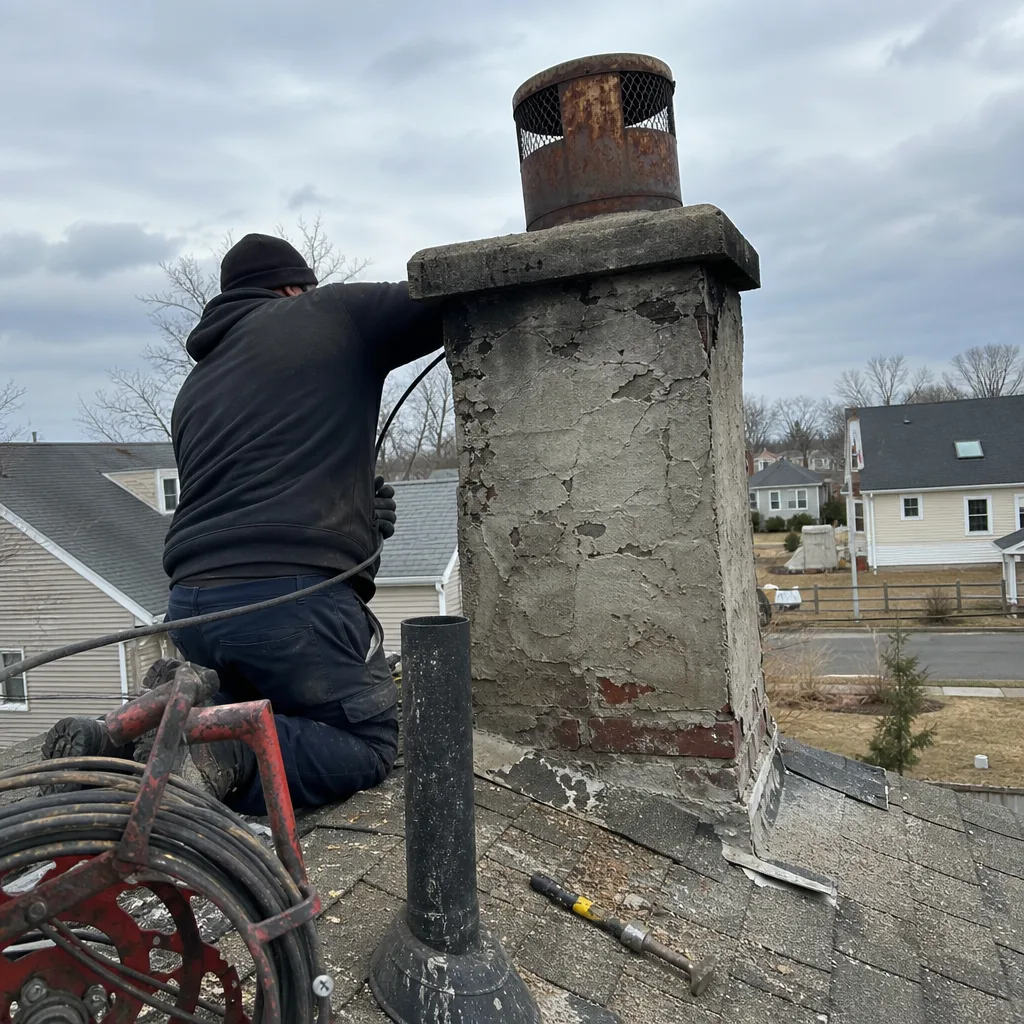
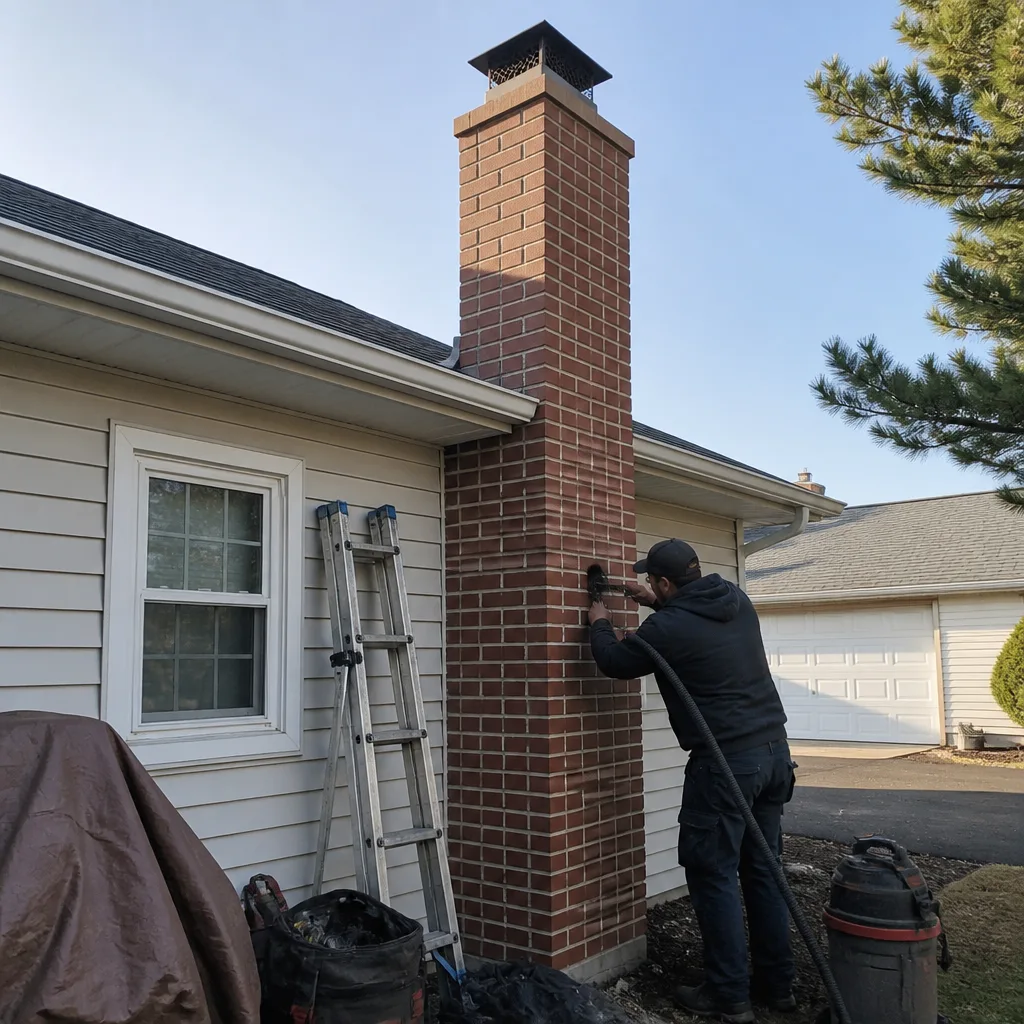
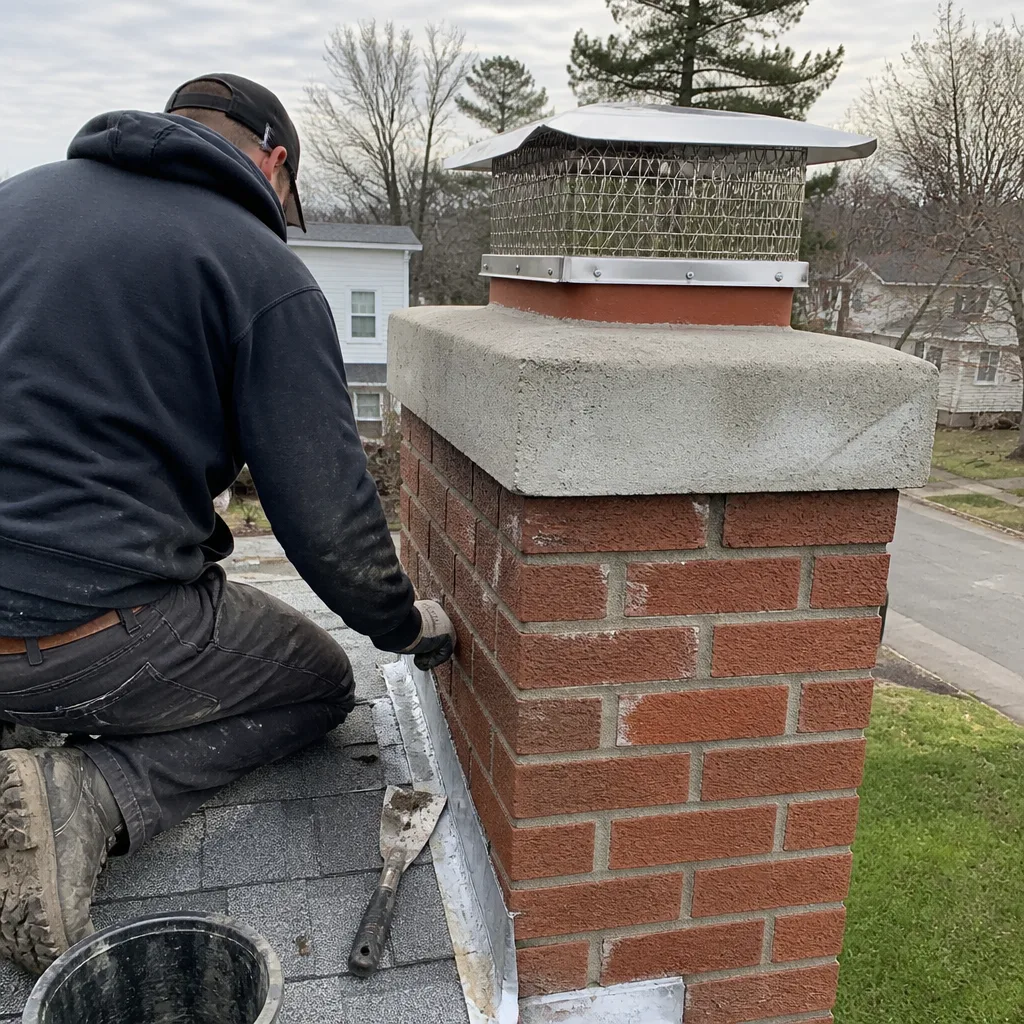
Level 1 sweep and inspection to the NFPA 211 annual standard - flue, crown, cap, and flashing checked and photographed
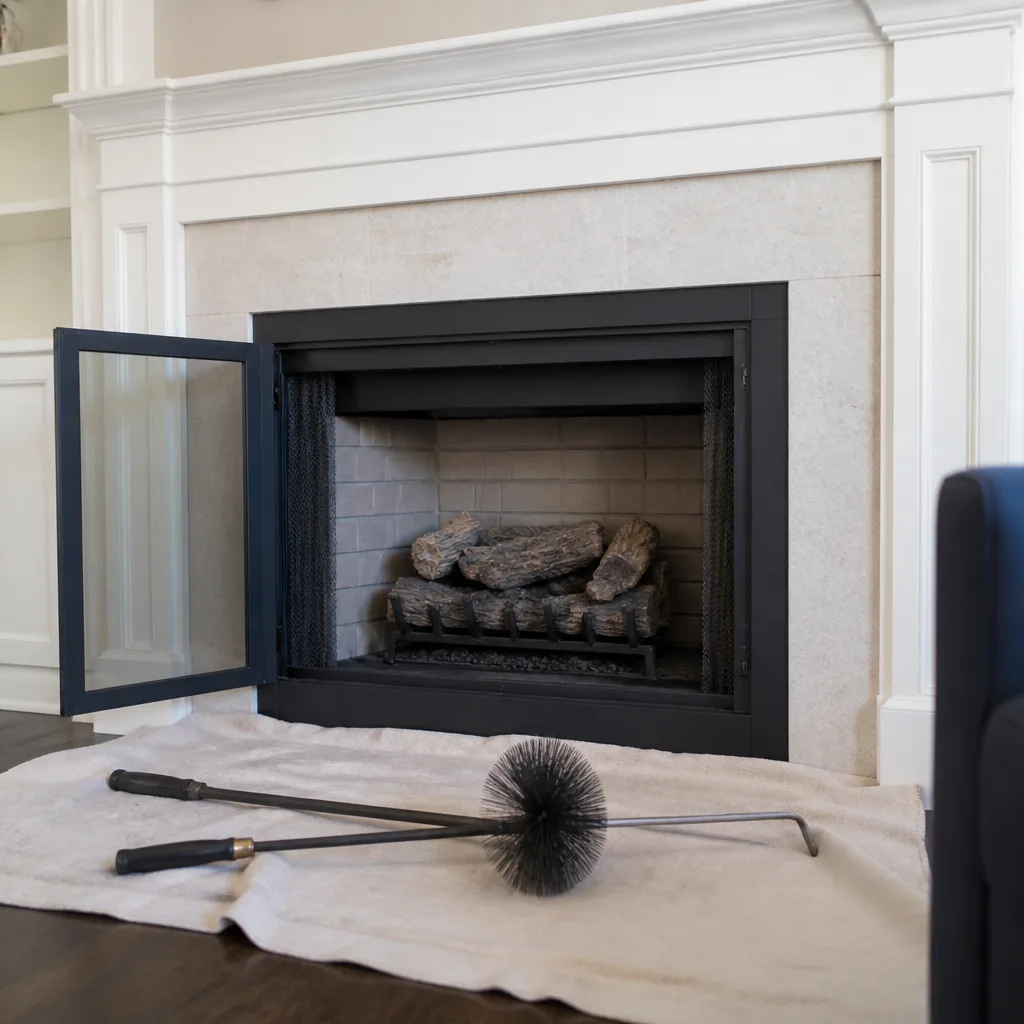
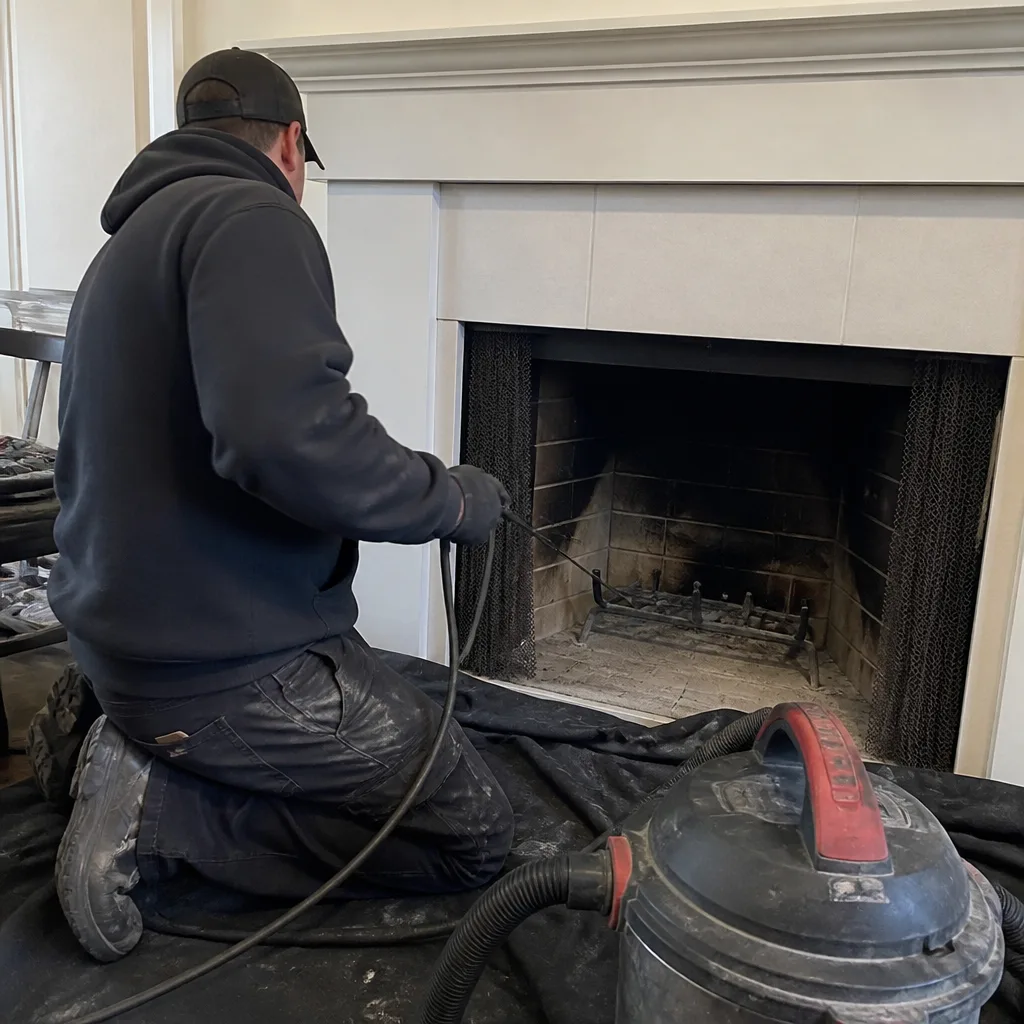
Chimney sweep logs do not sweep chimneys. They loosen some creosote - which then falls where a brush and vacuum still have to collect it.
 Before
 After
After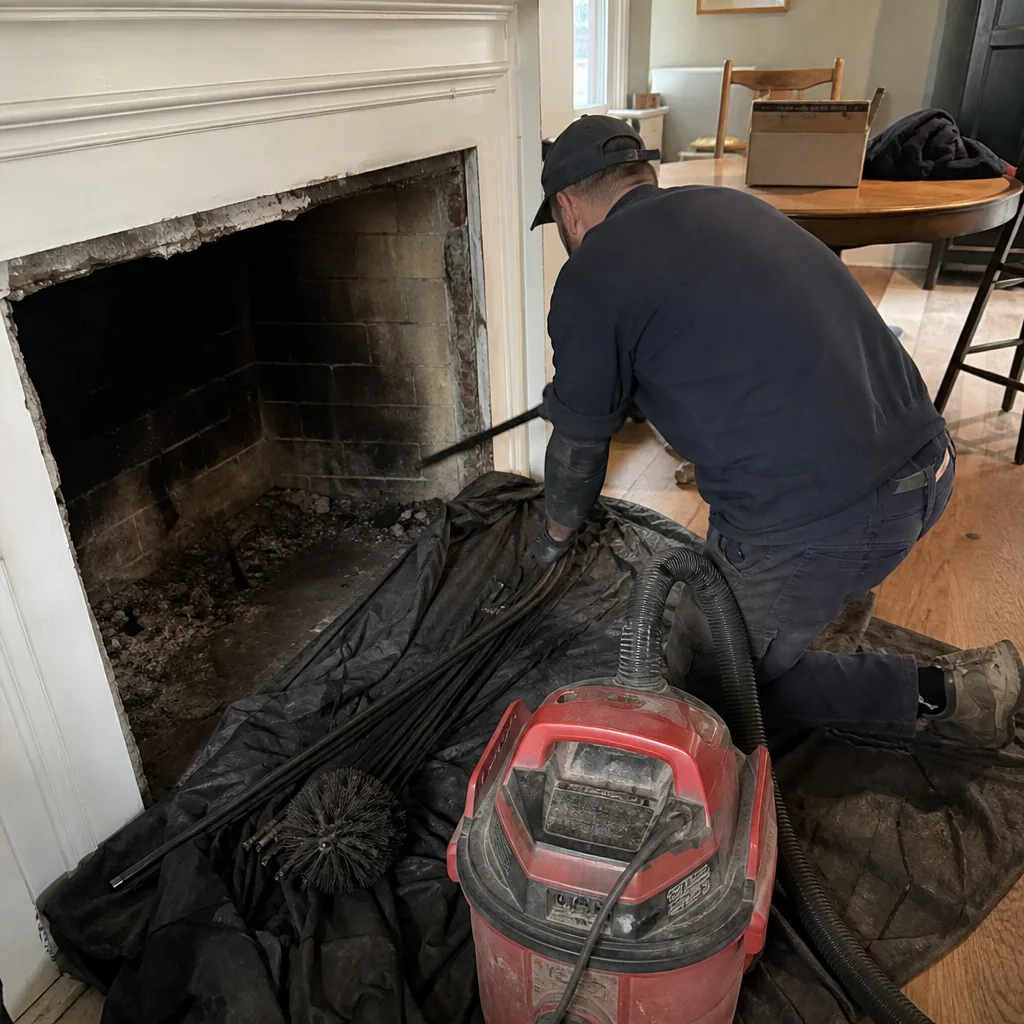 Before
 After
After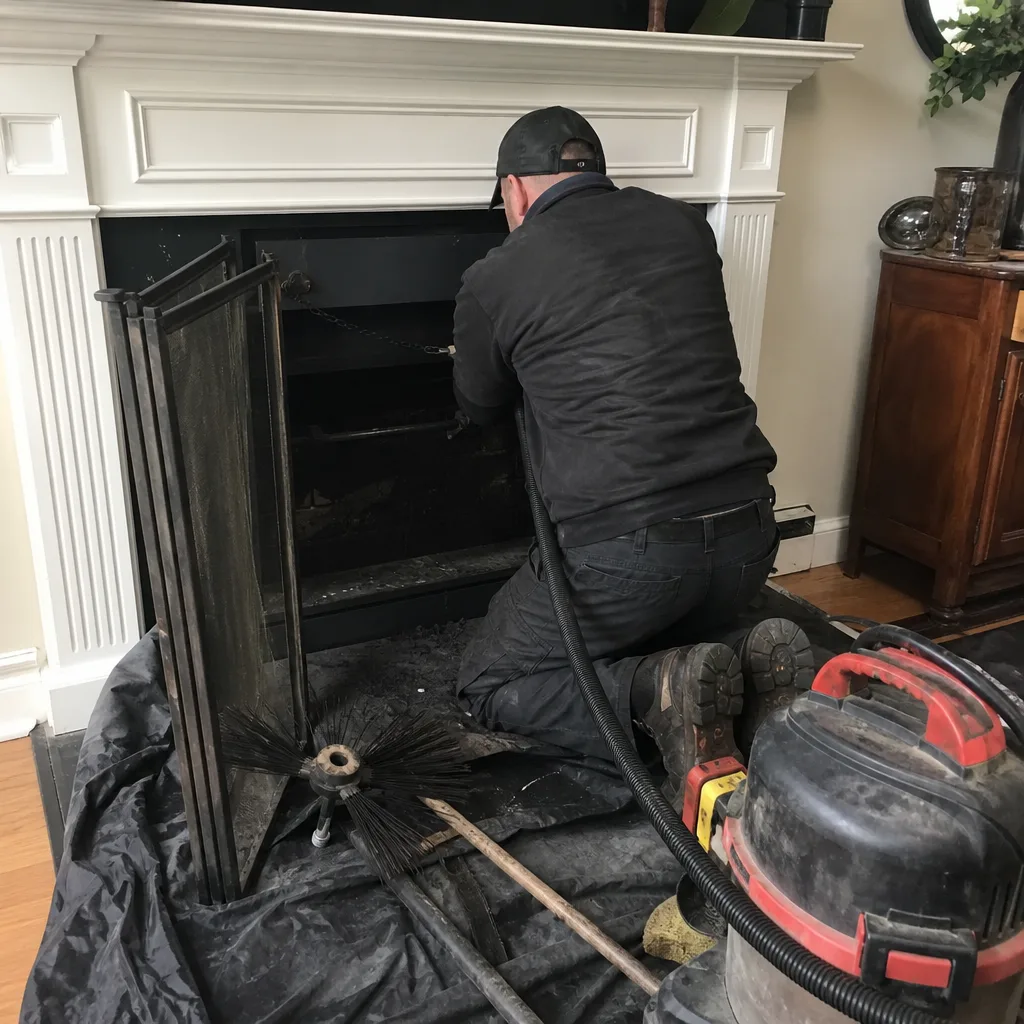 Before
 After
AfterHeatShield Flue Liner Replacement: The Long Beach Owner’s Guide
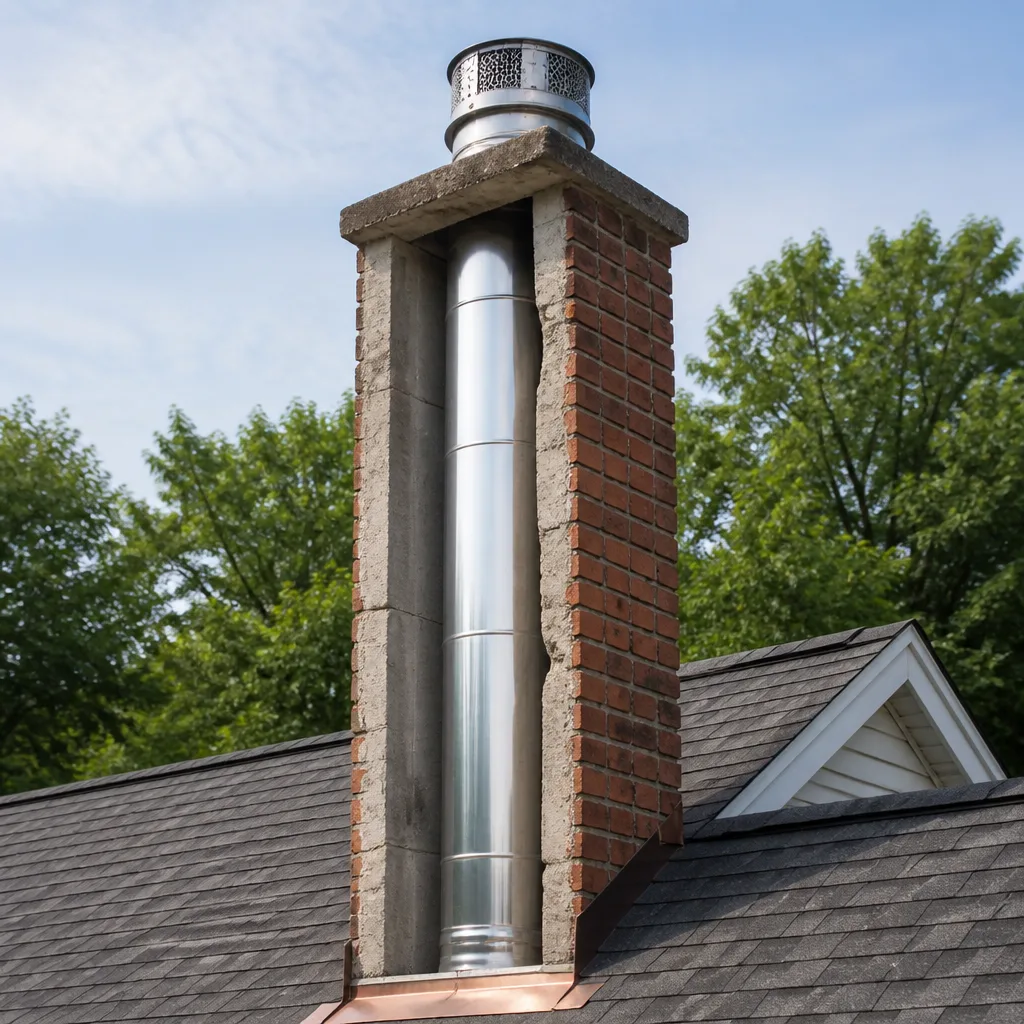
HeatShield flue liner replacement in Long Beach typically runs $2,100 to $4,800 installed, depending on whether we’re resurfacing with HeatShield’s cerfractory material or pulling a new stainless liner through. We stock the parts, we know which series fits which chimney, and most swaps are done in a single day. The way most folks find out they need this work is a Level 2 inspection that turns up spalling, cracked flue tiles, or a liner that’s begun to separate at the joints. Or they notice fine sandy grit at the base of the fireplace, or a dusty smell in the room after a windy day. Wendell Pike’s seen more of these than he can count, and the first thing he’ll tell you is that a failed liner doesn’t always mean a full replacement. Sometimes it does. We’ll show you the camera footage either way.
Which HeatShield Models This Applies To
Most Long Beach homes with HeatShield systems fall into one of two camps. The first is the original HeatShield cerfractory resurfacing system, applied inside an existing clay tile liner. The second is a HeatShield joint repair or a partial reline done on specific sections of flue. They’re different products with different failure modes, and the fix for one isn’t the fix for the other. HeatShield doesn’t sell a standalone “liner” you can order off a shelf. What fails is either the cerfractory coating itself delaminating from the old tile, or the underlying masonry chimney shifting enough to crack the coated surface. The way to identify what you have is a label near the fireplace opening or a receipt from the original install that lists the HeatShield model number. No label, no receipt? The camera inspection tells us what we’re working with in about twenty minutes. We keep HeatShield-compatible cerfractory material and stainless liner stock on the truck for the most common sizes we see in this area. For anything unusual, we get it within a couple of days from our distributor. Top Hat Chimney is an independent service provider, not a HeatShield dealer, which means we’ll tell you plainly if a non-HeatShield fix makes more sense for your chimney.
Signs Your HeatShield Flue Liner Replacement Is Failing
- Sandy grit at the cleanout or firebox floor. Flue tile spalling under a HeatShield coat means the cerfractory is losing its bond. Once that surface starts shedding, it doesn’t reseal itself.
- Odor that comes and goes with the wind. A liner with gaps or cracks lets chimney air push back into the house instead of drawing up the flue. You’ll smell it most when the wind shifts off the water in Long Beach.
- Visible staining on the exterior chimney. Dark streaks or efflorescence near the top of the stack often mean moisture is getting behind the liner and working its way out through the masonry.
- Your sweep flags it during a routine cleaning. We see glaze creosote, cracks, and delamination long before most owners notice anything. A yearly sweep is when this gets caught early, while the repair is still small and the price is still low.
- You had a liner inspection five or ten years ago and haven’t thought about it since. Salt air, nor’easters, freeze-thaw cycles, and a few hard burns each winter age a liner faster than the paperwork suggests. Long Beach weather isn’t gentle on chimney systems.
Replacement Cost & What’s Included
In Long Beach, a full HeatShield system re-coat over an existing clay liner runs $2,100 to $3,800 for a typical single-flue chimney. A full stainless liner pull-and-replace runs $3,200 to $4,800 depending on height, access, and whether we’re also doing a new connector or cap. What moves the price is the condition of the masonry behind the liner, the number of flue offsets, and whether the old liner collapses on removal or comes out clean. Every quote includes parts, labor, cleanup, the camera inspection before and after, and our 90-Day Done Right Promise in writing. The flat-price number we give you on the phone call or at the door is the number on the invoice. No surprise line items when the truck pulls away. We also carry DuraFlex, Gelco, and Olympia Chimney stainless liners on the truck, so if HeatShield isn’t the right call for your setup, we’ll tell you and price the honest alternative.
DIY or Call Us?
There are a couple of things an owner can do themselves. You can shine a flashlight up the flue and look for visible cracks or loose material. You can check the cleanout for grit. You can smell the fireplace on a windy day. That’s about where the safe DIY work ends. Working inside a flue means confined space, ladder work on the roof, and materials that need to be mixed and applied to spec. A bad HeatShield application leaves a chimney that looks fine and performs worse than it did before, and the failure mode is silent until it isn’t. A liner that comes apart at the joints can put exhaust gases where they don’t belong. That’s not a chore; it’s a risk. If you’re not sure whether you’re looking at a real problem or a normal aging stain, call us at (631) 378-3317 and we’ll put a camera on it. If it doesn’t need doing, we’ll tell you that too.
FAQs
A properly applied HeatShield cerfractory coating typically lasts 15 to 25 years in this climate, and the salt air and freeze-thaw cycles in Long Beach shave a few years off what a dry inland home might get. Annual inspections catch failing liner material before it becomes a full rebuild.
If the damage is localized, like a cracked section near the top or a failing joint, the liner can often be spot-repaired or partially relined without removing the whole system. The camera inspection is what determines whether repair or replacement is the right call. Call (631) 378-3317 for a free estimate.
Most full HeatShield flue liner replacements in Long Beach are completed in one working day. The chimney needs 24 to 48 hours after the application before you should build a fire, and we’ll give you the exact number for your specific job before we start.
We keep the common HeatShield cerfractory formulations and stainless liner sizes on the truck, and anything unusual arrives from the distributor within a couple of days. Our order includes a photo report of the liner before and after, so you’re not taking our word for the condition of your chimney, you’ve got the footage yourself.
Written by Wendell Pike, Owner, Top Hat Chimney at Top Hat Chimney, serving Long Beach and nearby areas.