
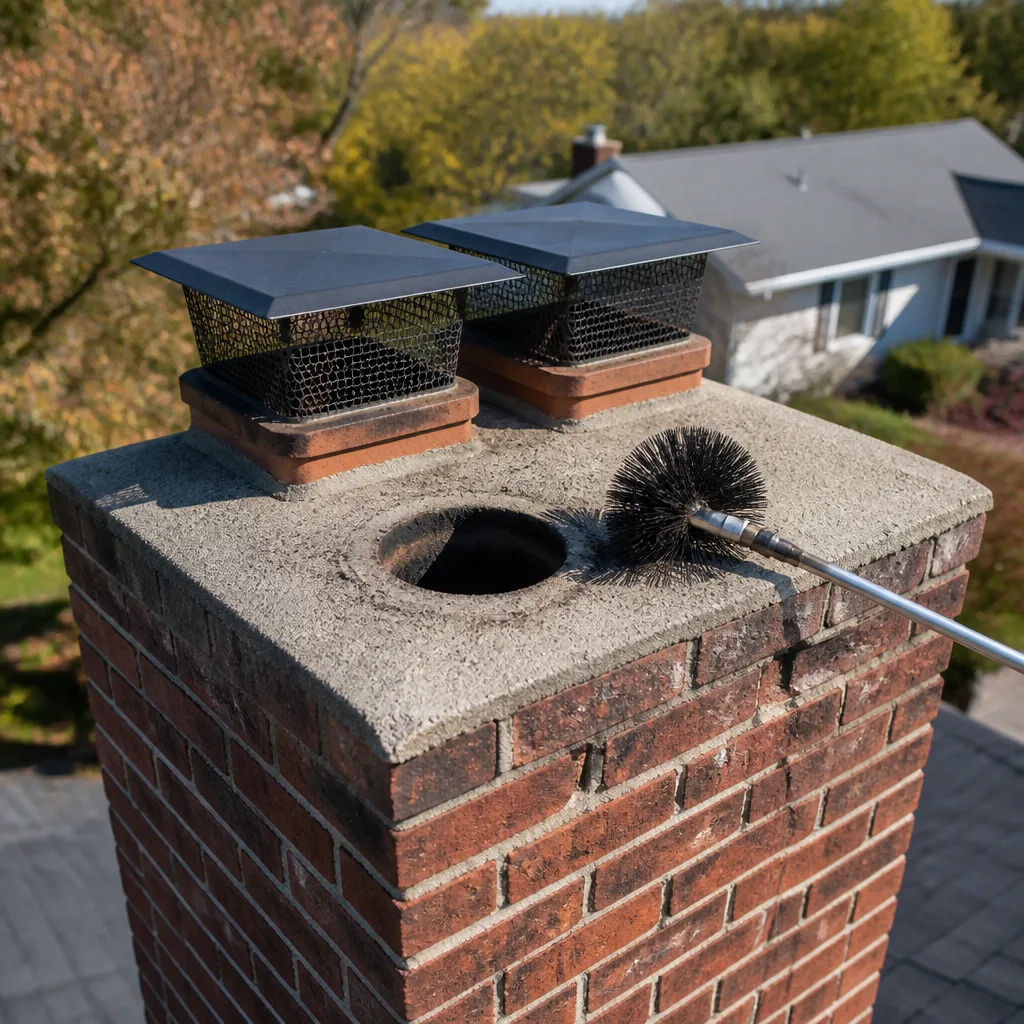
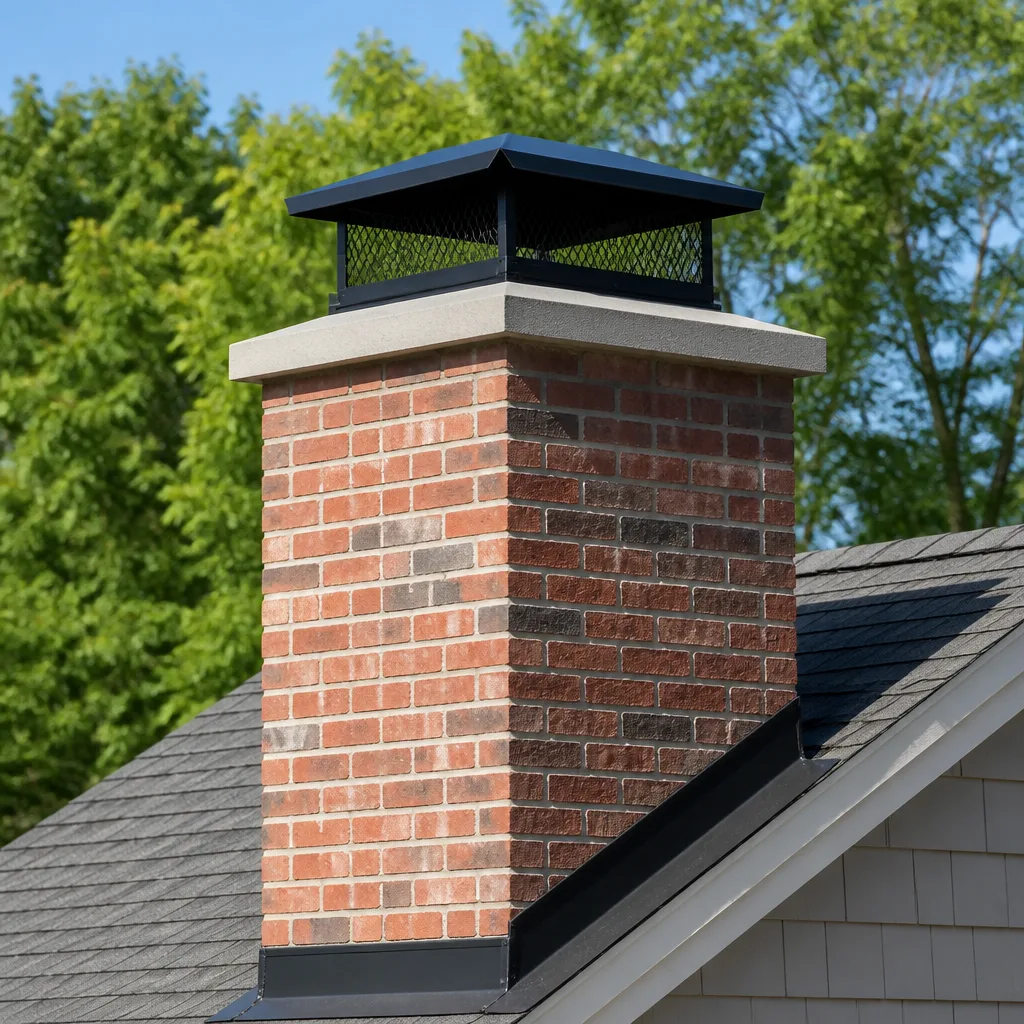
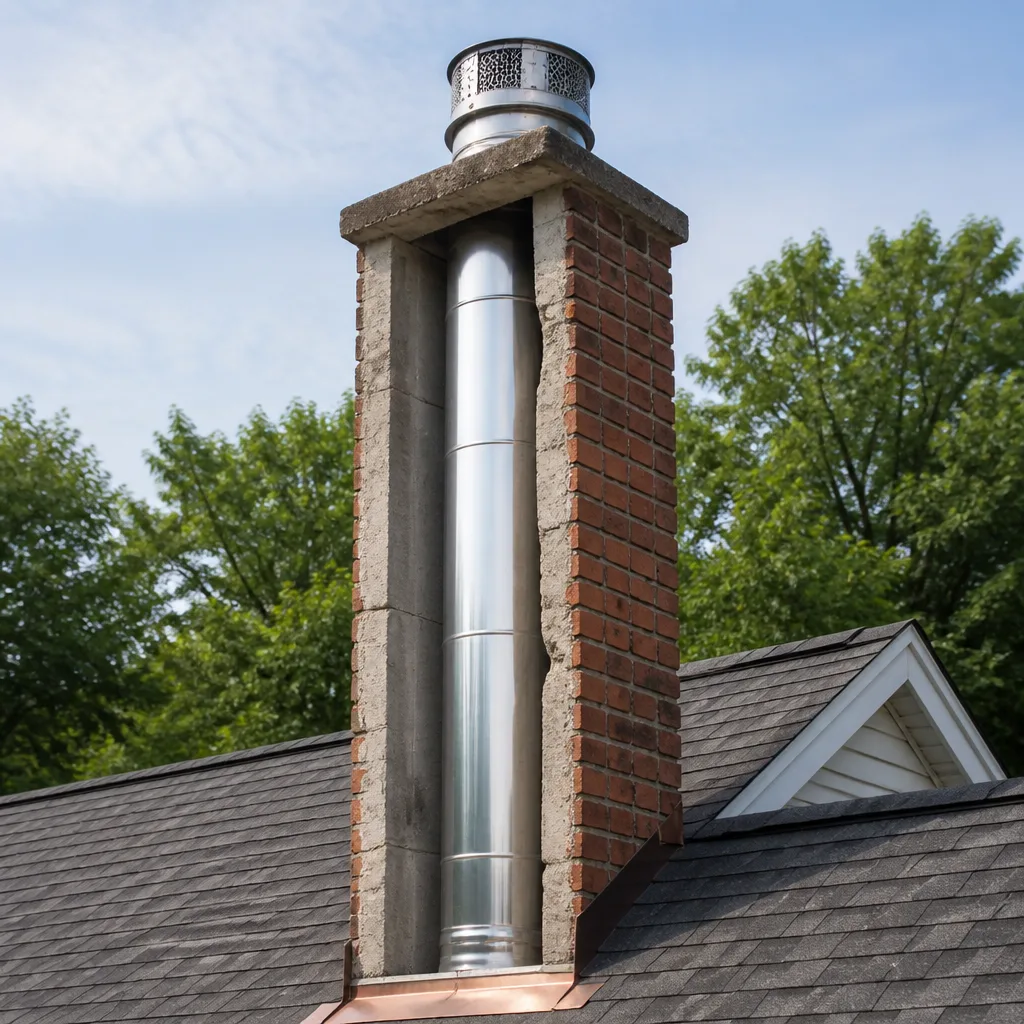
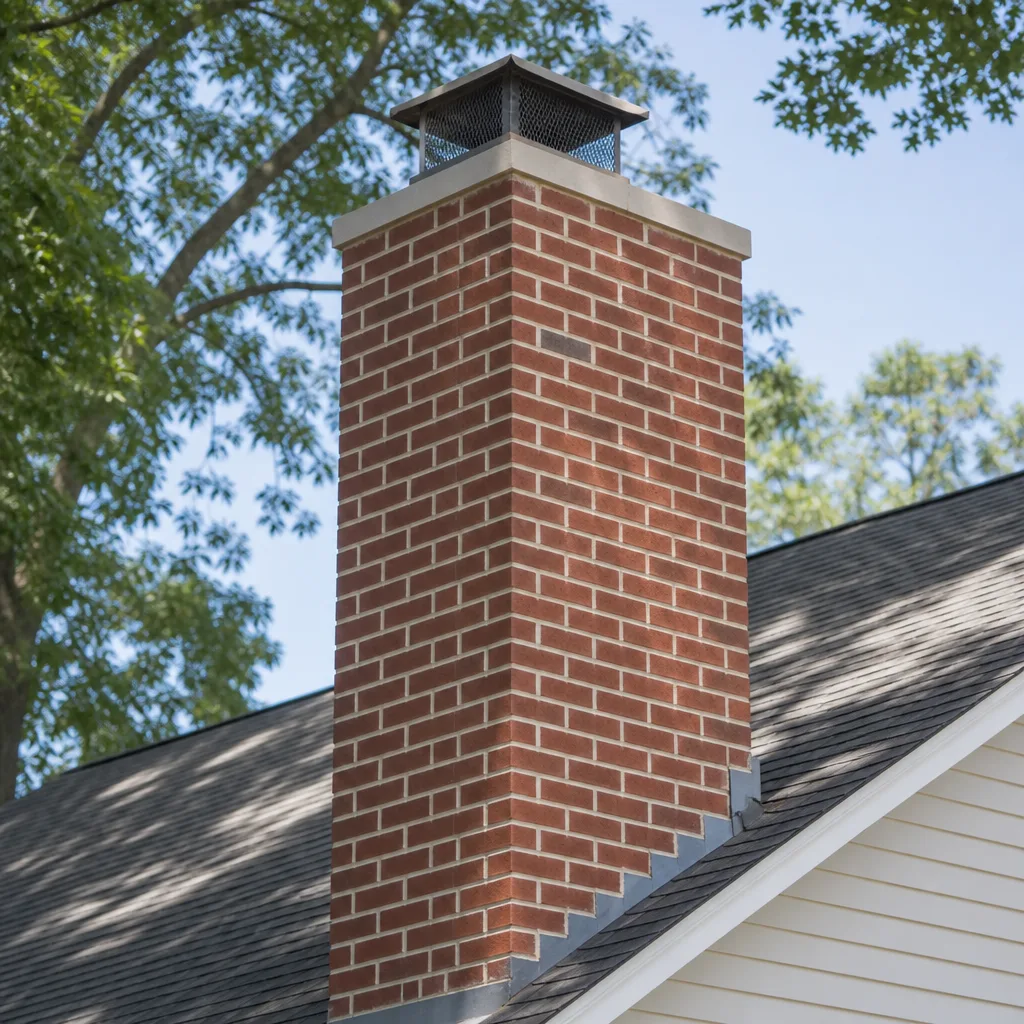
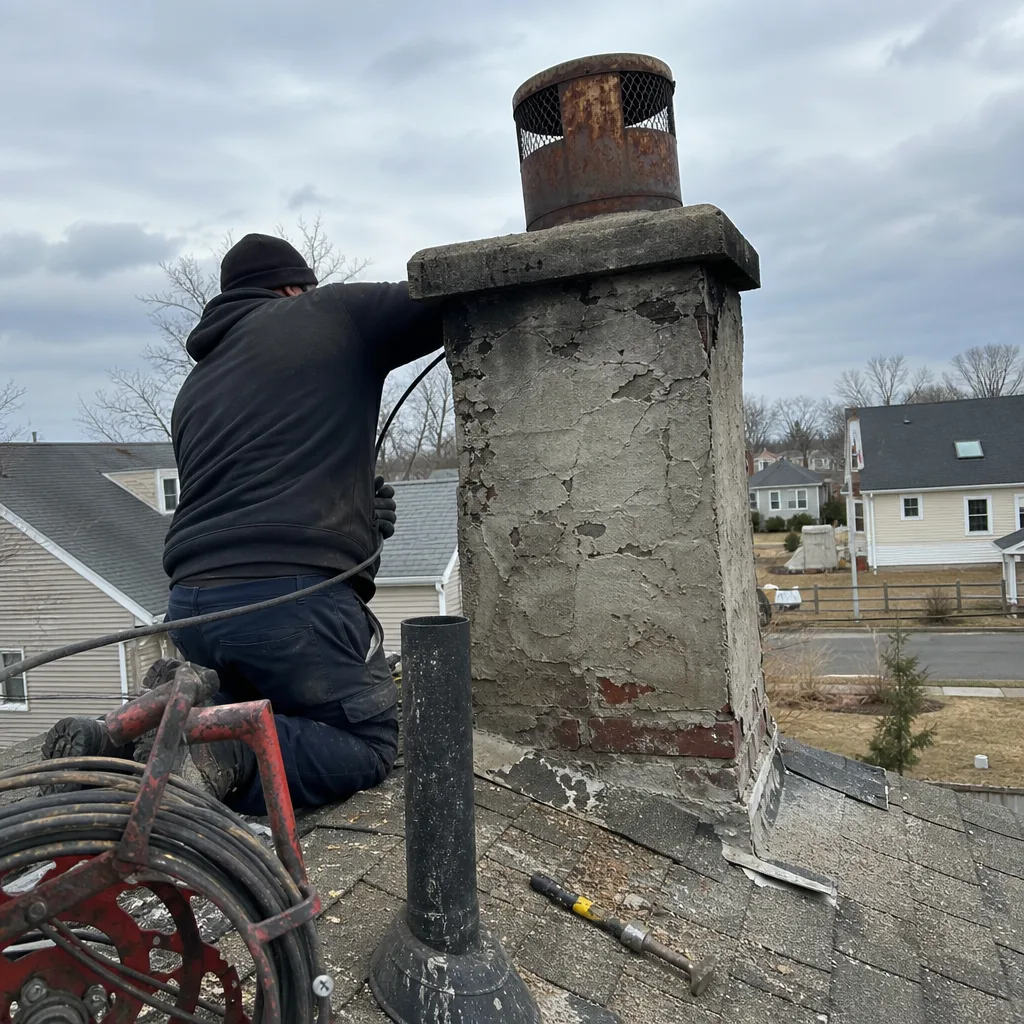
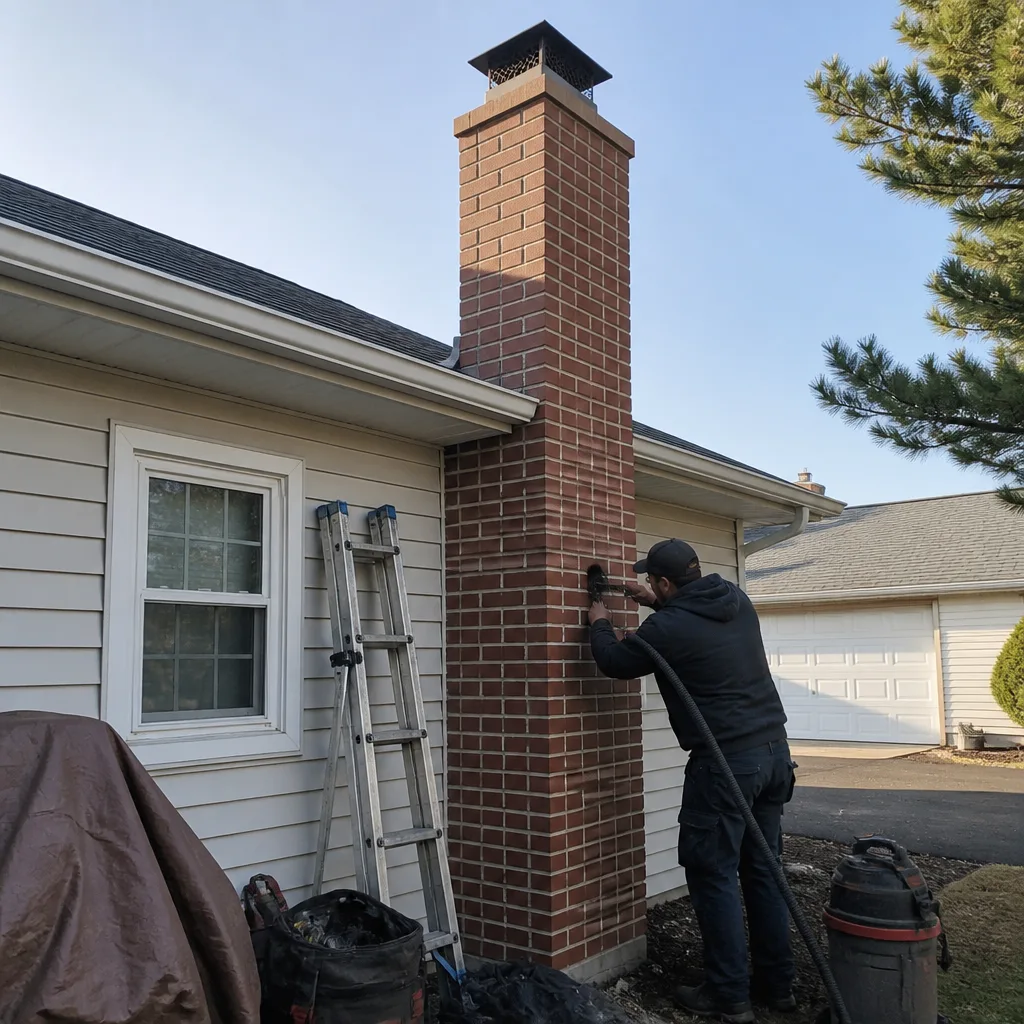
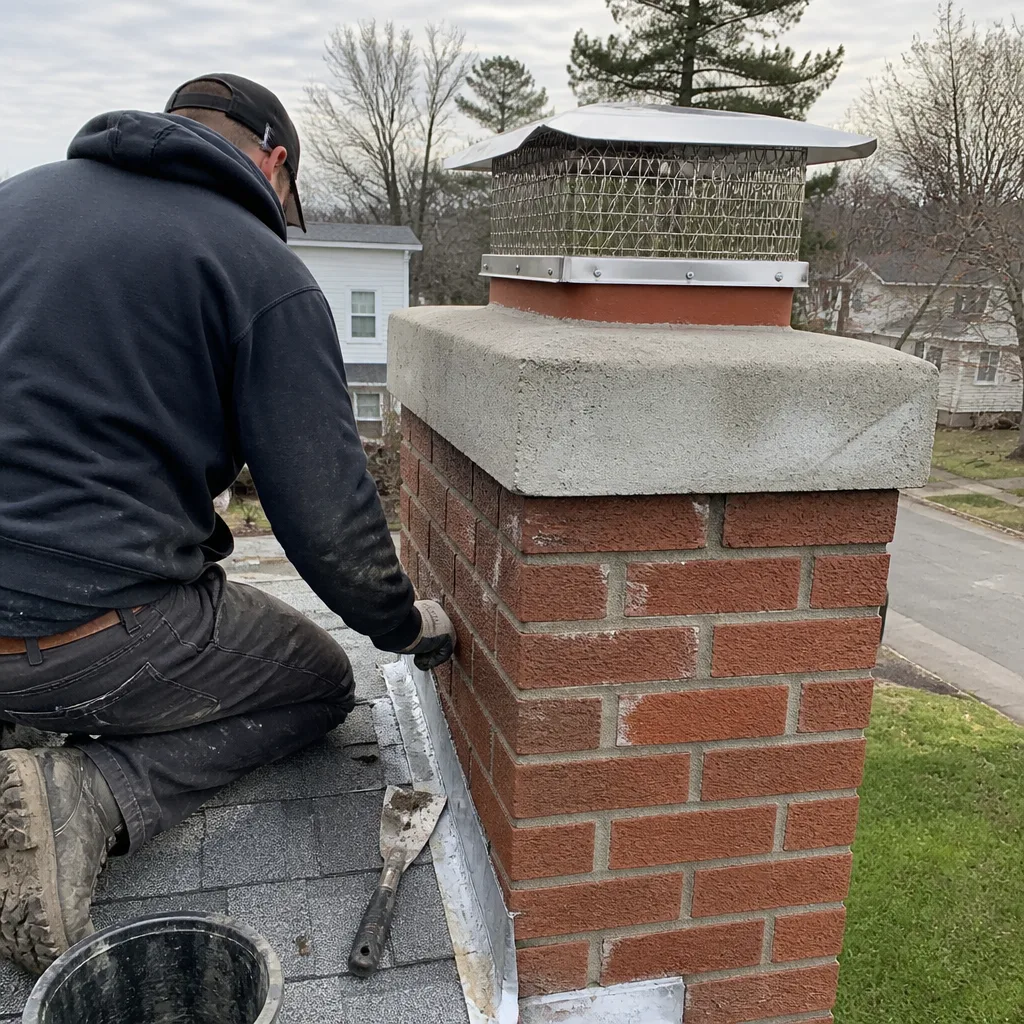
Level 1 sweep and inspection to the NFPA 211 annual standard - flue, crown, cap, and flashing checked and photographed
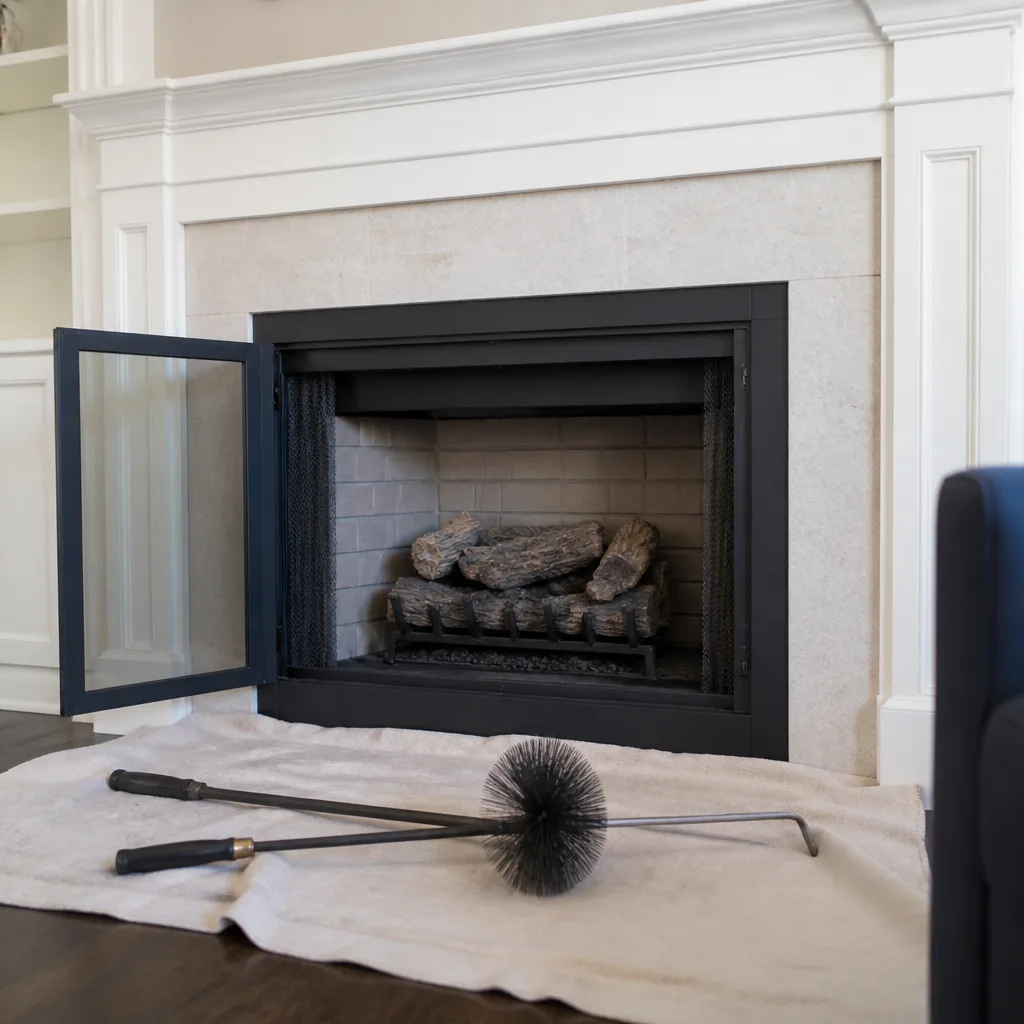
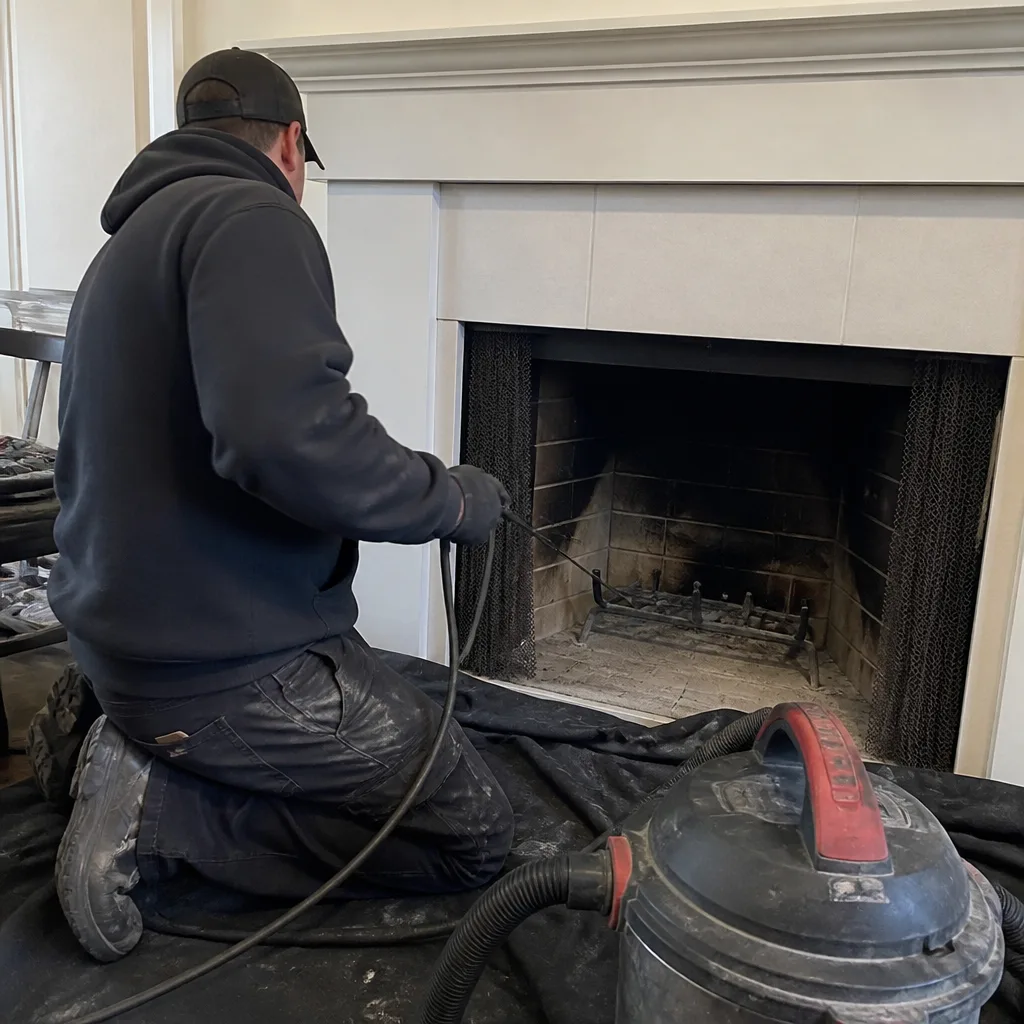
Chimney sweep logs do not sweep chimneys. They loosen some creosote - which then falls where a brush and vacuum still have to collect it.
 Before
 After
After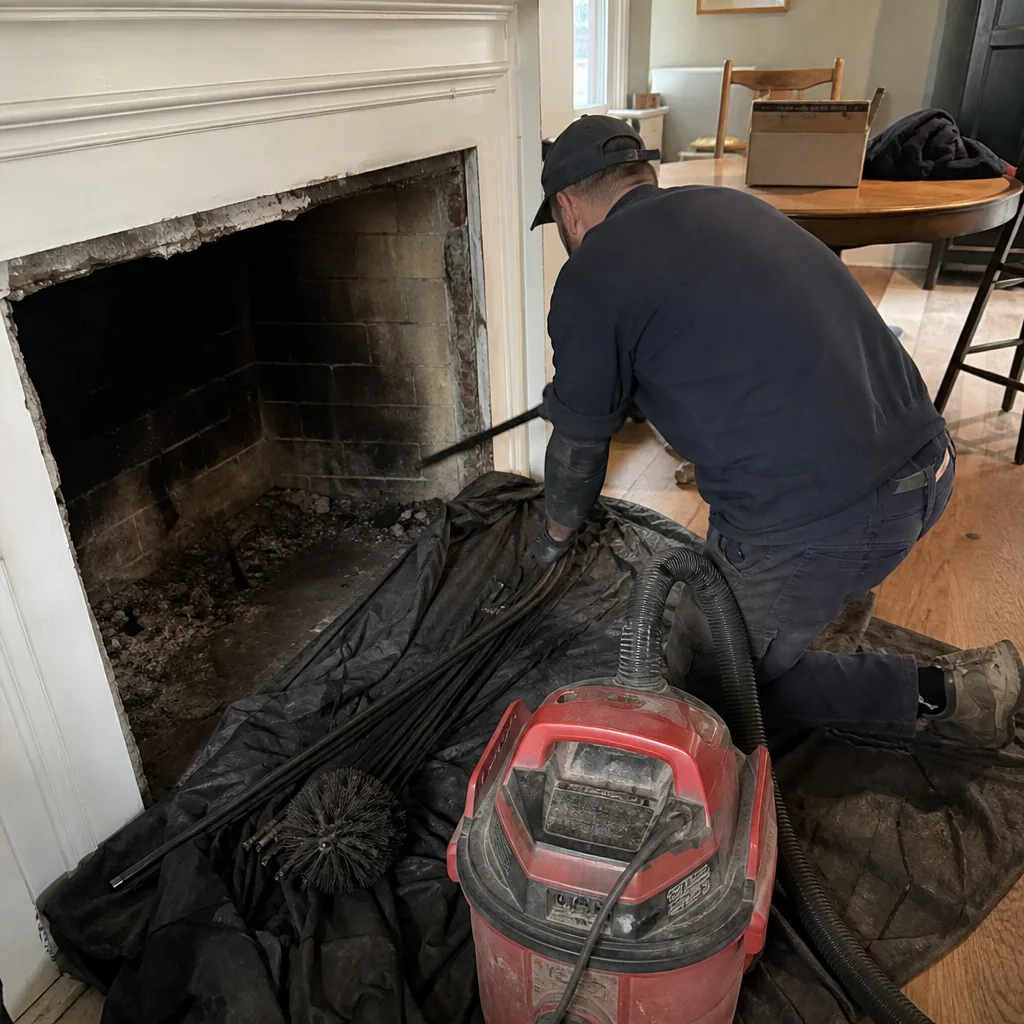 Before
 After
After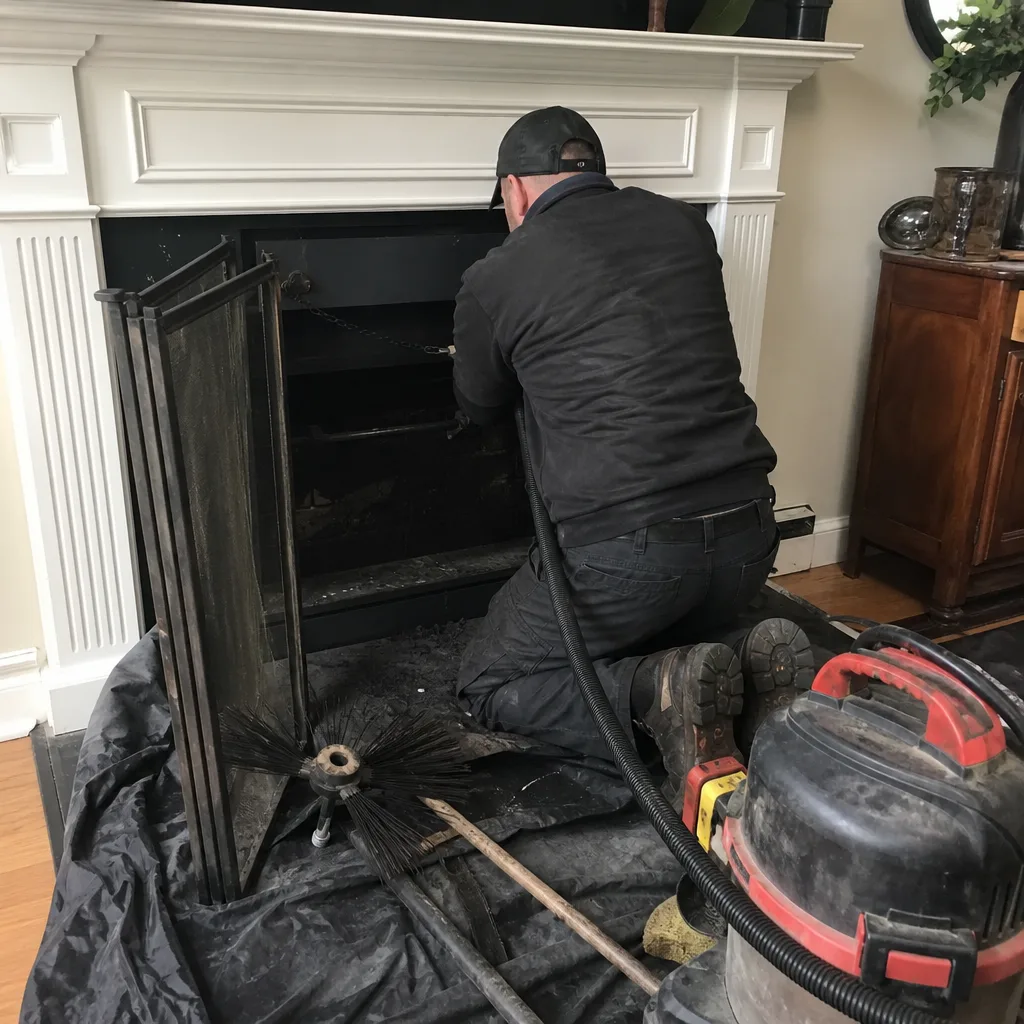 Before
 After
AfterFamco Flue Liner Replacement: The Long Beach Owner’s Guide
If your Famco flue liner has failed, we stock and install Famco-compatible replacement liners for Long Beach homes, with most full replacements running $1,800-$3,400 installed depending on length, diameter, and access. We keep common sizes on the truck and can usually complete a straight replacement in one visit. You’ll most likely discover the problem the way most owners do: a chimney inspection shows cracking, rust-through, or separation at a seam, or you notice rust flakes and gritty debris collecting at the base of the firebox. Sometimes it’s the smell of exhaust backing into the house on a windy day. None of those are things to ignore.
Which Famco Models This Applies To
Famco built flue liners, vent connectors, and chimney pipe sections for oil and gas furnaces, boilers, and water heaters, though the company’s product line has shifted over the years and many parts are no longer manufactured. If you have a Famco flue liner or vent pipe made of galvanized steel, aluminized steel, or stainless, we can almost always match it with a compatible replacement regardless of what the current Famco catalog says. What matters more than the brand name is getting the right diameter, wall thickness, and material grade. A galvanized liner that lasted 20 years on an oil furnace will fail sooner on a gas appliance because gas exhaust runs cooler and wetter, producing more acidic condensation. That’s a real-world gotcha we see in Long Beach basements all the time, especially in homes near Reynolds Channel where humidity works against older pipe.
When we can match a genuine Famco part, we will. When we can’t, because the part is discontinued, we move to an aftermarket equivalent from DuraFlex, Gelco, or HeatShield, all of which we stock and install regularly. The honest answer: for a liner replacement, material quality and fit matter more than the logo. If your existing liner has a readable label with the diameter and gauge, snap a photo before you call. It saves a return trip.
Signs Your Famco Flue Liner Replacement Is Failing
- Rust flakes or pitting on the visible pipe surface. This is the earliest warning sign. Galvanized and aluminized liners give years of warning through surface corrosion before they actually fail. If you see rust bloom anywhere, get it looked at before it becomes a hole.
- Exhaust odor inside the house. A cracked or separated liner lets combustion gases slip into the living space instead of up and out. This is a carbon monoxide risk and a reason to stop using the appliance until we’ve inspected it.
- Water or condensation leaking around the pipe joints. In Long Beach, condensation is the quiet killer. When warm exhaust meets cold crawlspace air, moisture forms inside the liner and drips back down. Over time, that eats through seams from the inside out.
- Visible gaps, sagging, or separated sections. Liners shift with the house. Older Long Beach homes settle, and a once-tight pipe can pull apart at a seam. If you can see daylight through a joint or the pipe is sagging, the connection has already failed.
- A heating technician flagged it during a furnace or boiler service. We get these calls every week. The tech notices the flue is shot and the homeowner has never looked at it. Fair enough, most people don’t spend their weekends staring at flue pipe. But it works the same way it always has: better to know now than in February.
Replacement Cost & What’s Included
In Long Beach, a Famco flue liner replacement typically runs between $1,800 and $3,400 installed. The range depends mainly on three things: how much liner length you need, what diameter the system calls for, and how much of the surrounding venting has to come apart to get the old pipe out. A short run from a water heater in a basement utility room is the low end. A full run from an oil boiler up through a two-story chase is the high end.
What’s included: the liner itself, all connectors and sealant, removal and disposal of the old pipe, and a full system check once the new liner is in. You get a camera image or a clear explanation of what we found before any money is spent beyond the estimate. The number we give you before the work starts is the number on the invoice. And every job carries the 90-Day Done Right Promise in writing. If it’s not right, one call brings us back at no charge.
DIY or Call Us?
Here’s the split, and I’ll be straight with you as always. What you can safely do: look at the visible pipe in your basement or utility area. Check for rust, check for gaps at the joints, and check for water staining on the ceiling around the pipe. That’s it. That’s the DIY portion. What you shouldn’t do is unclamp a liner and start pulling sections apart, especially on a gas appliance. You’re dealing with combustion exhaust, carbon monoxide, and in some cases hot metal. If the appliance is running, those gases have to go somewhere, and if you open the wrong seam, that somewhere is your house.
We’d rather come look at a pipe you think might be fine than read about a problem you tried to fix with a hacksaw and a Saturday afternoon. If it doesn’t need doing, I’ll tell you that too. Call (631) 378-3317 and we’ll take a look.
FAQs
A properly installed stainless liner in a Long Beach home will typically last 20 to 30 years. Galvanized and aluminized liners run shorter, often 10 to 18 years depending on fuel type and how damp the installation area stays.
In most cases, no. Small pinholes at a seam can sometimes be sealed, but a cracked or rusted-through liner is a structural failure and patching it is a temporary fix at best. For gas appliances, we don’t patch at all. The risk isn’t worth it.
Most straight replacements take two to four hours on site. If the old liner is difficult to extract or surrounding venting needs adjustment, plan for a half day. We’ll tell you before we start.
We stock common Famco-compatible diameters and materials on the truck, along with aftermarket equivalents from DuraFlex, Gelco, and HeatShield. If your job calls for something unusual, we’ll source it and schedule the swap within the week.
If your Famco liner is showing any of the signs above, don’t wait until heating season. Call (631) 378-3317 for a free estimate and we’ll get it sorted before you need it.
Written by Wendell Pike, Owner, Top Hat Chimney at Top Hat Chimney, serving Long Beach and nearby areas.