
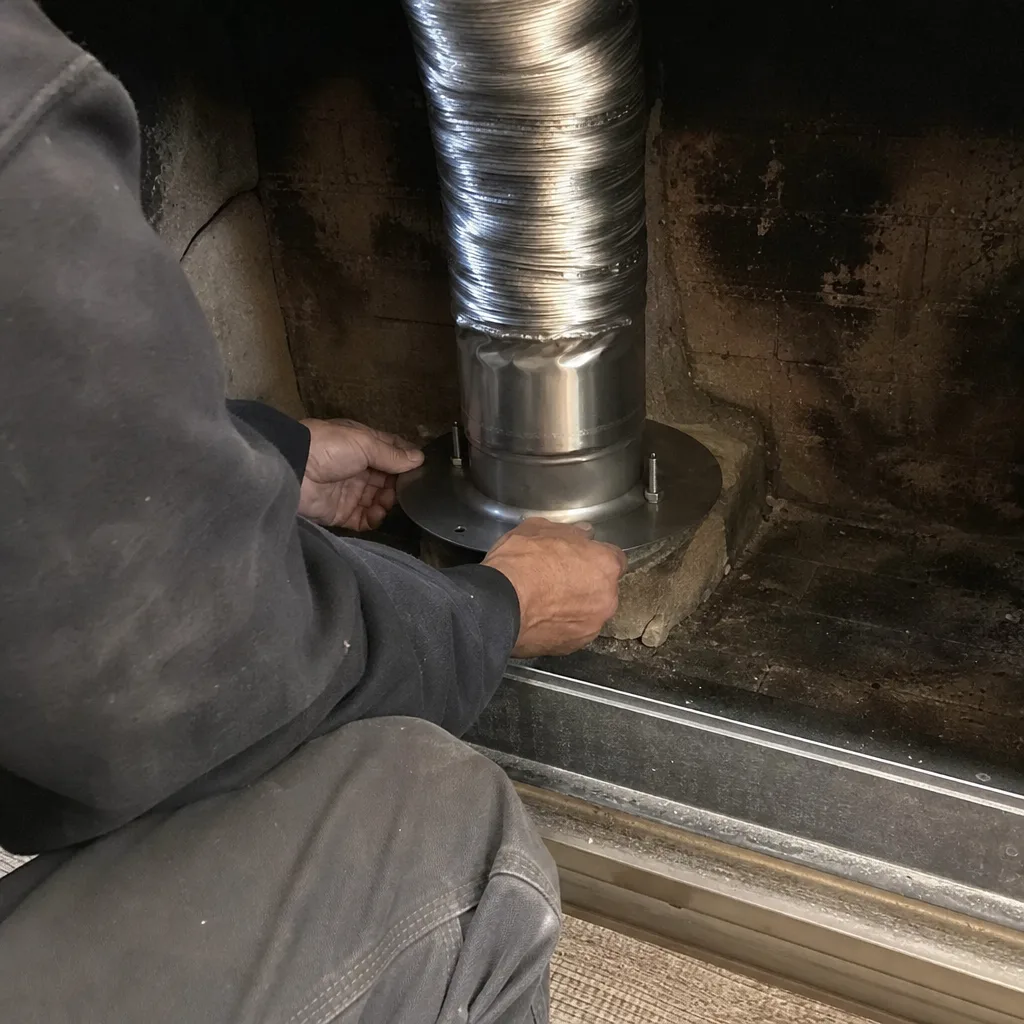
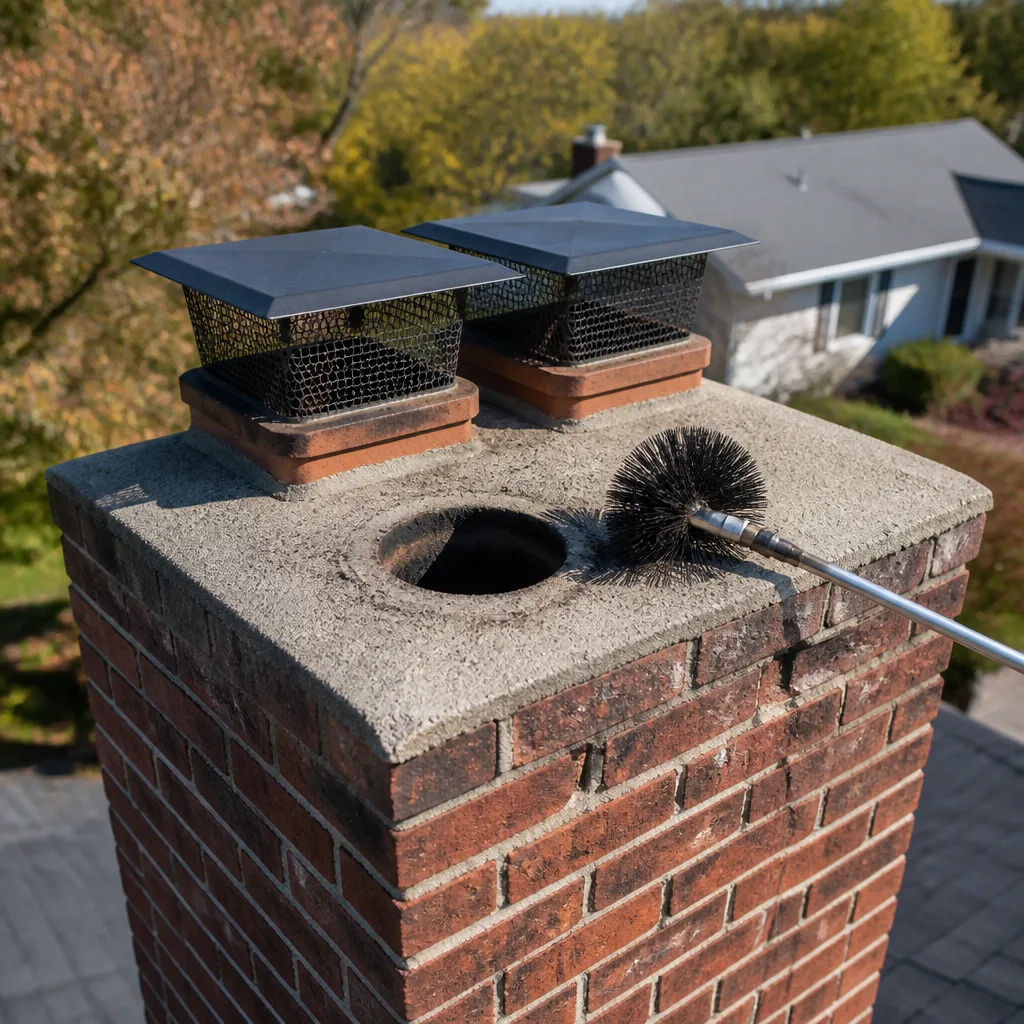
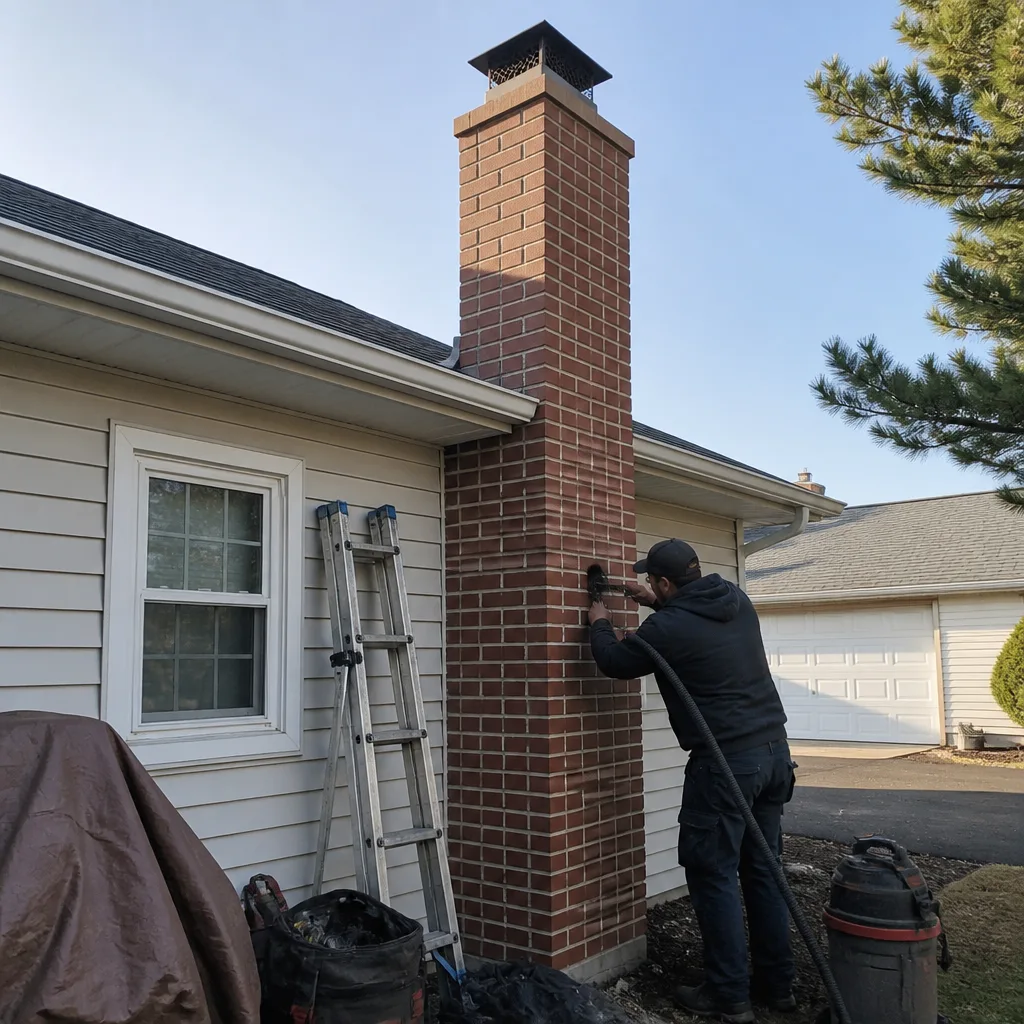
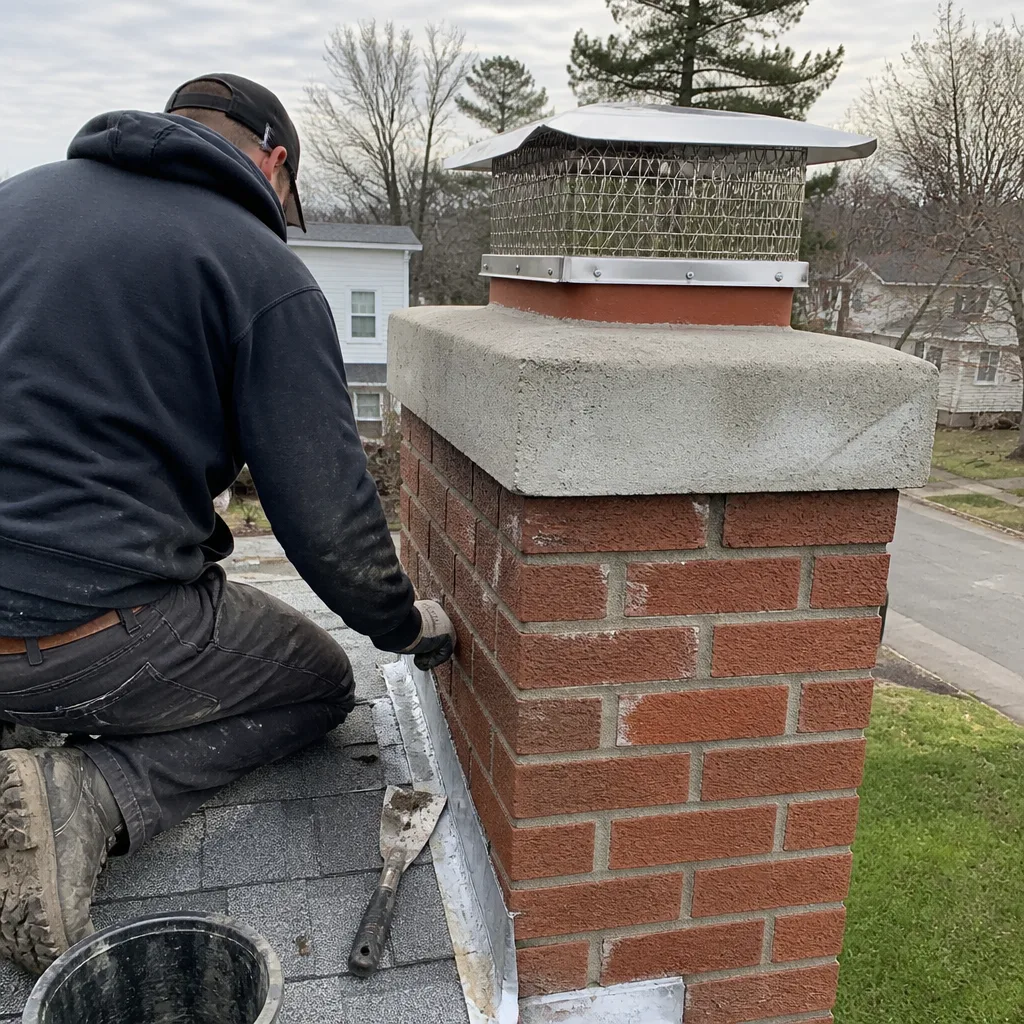
Level 1 sweep and inspection to the NFPA 211 annual standard - flue, crown, cap, and flashing checked and photographed
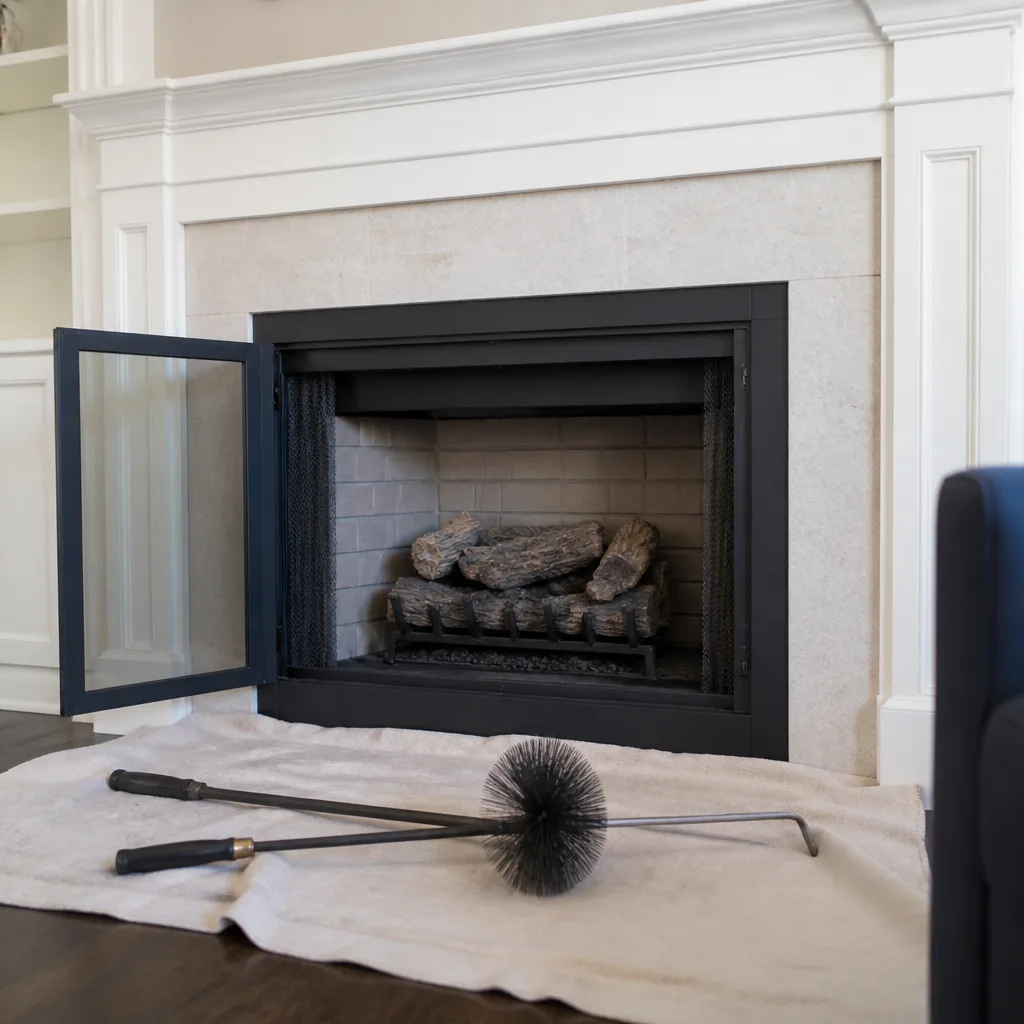
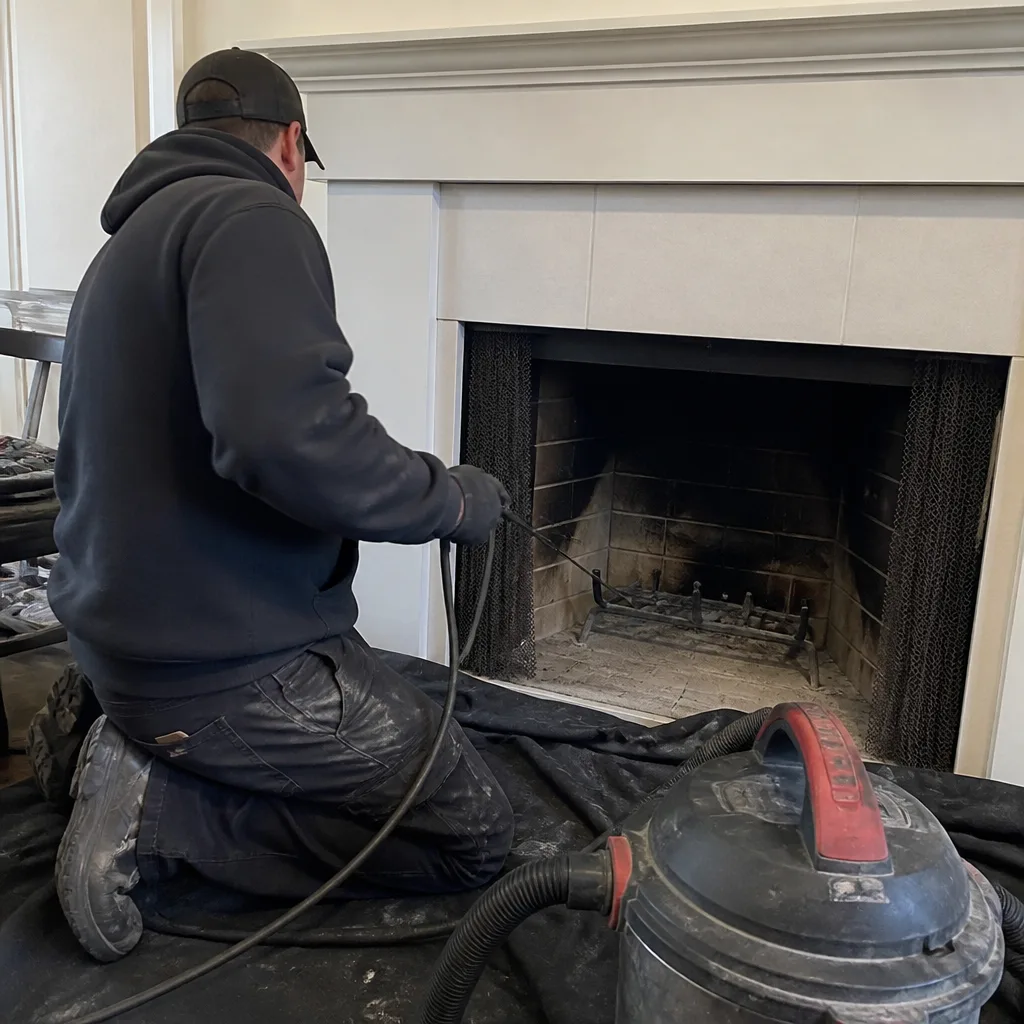
Chimney sweep logs do not sweep chimneys. They loosen some creosote - which then falls where a brush and vacuum still have to collect it.
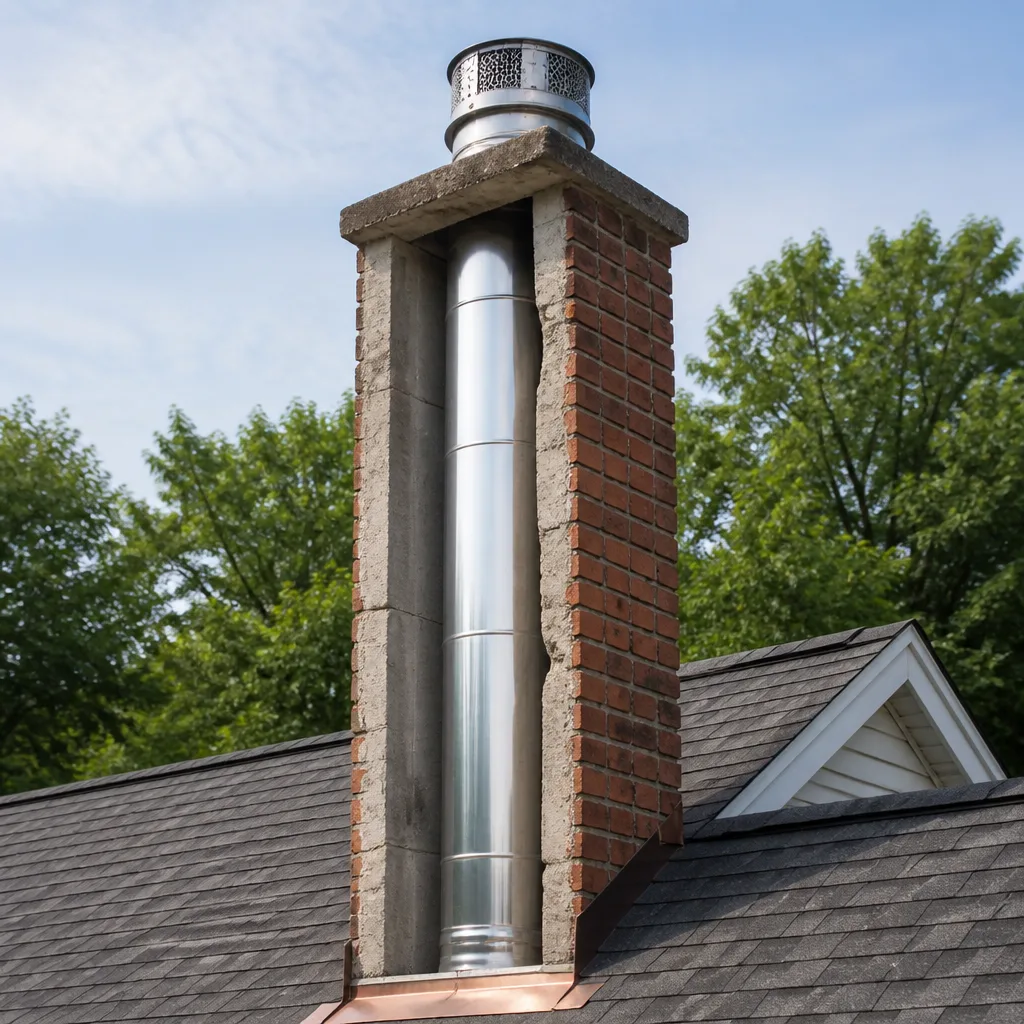
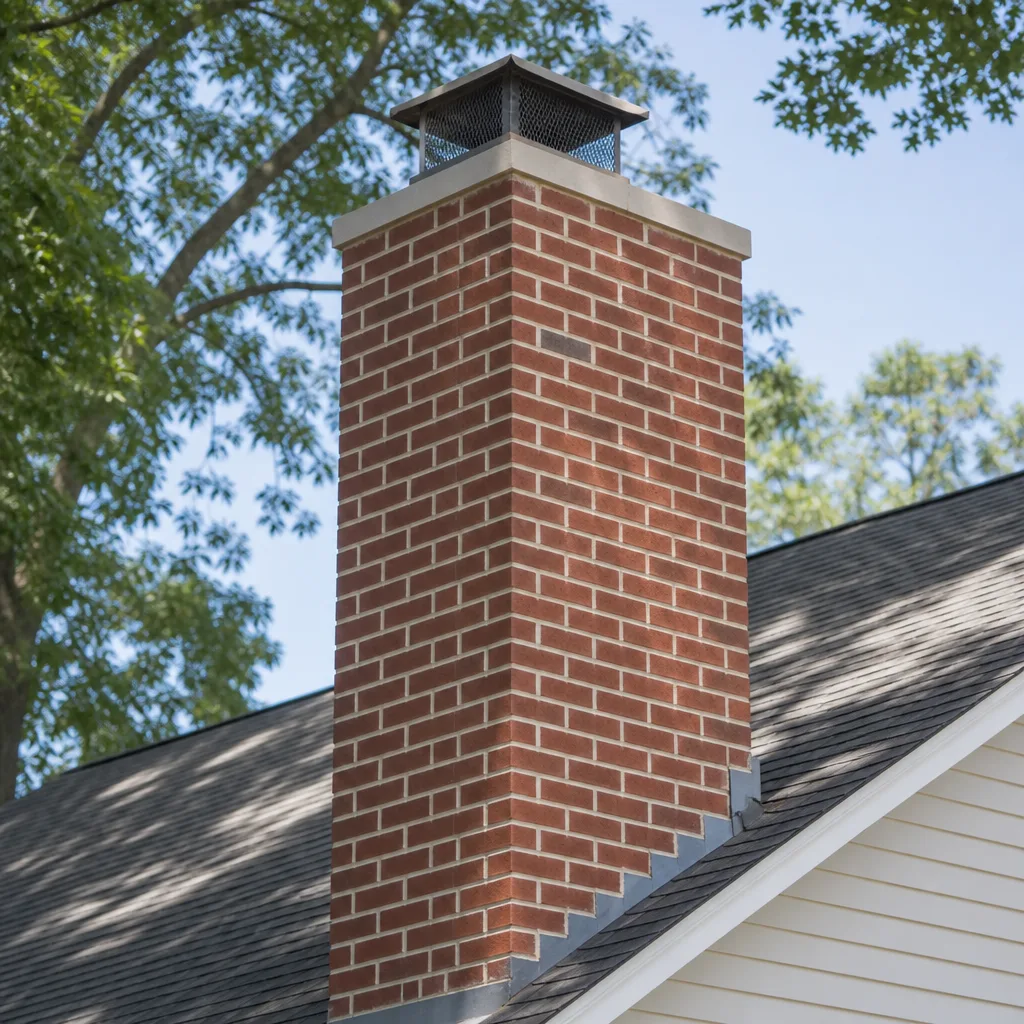
 Before
 After
After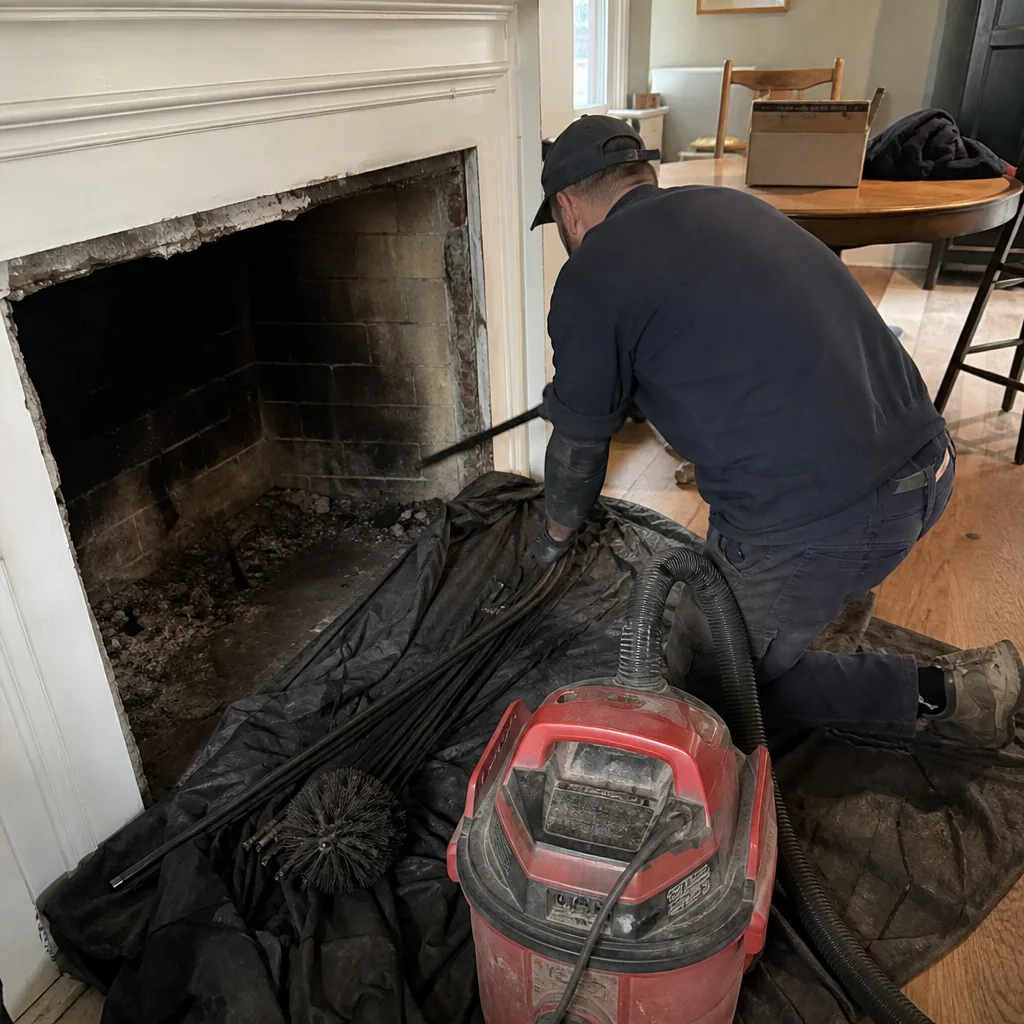 Before
 After
After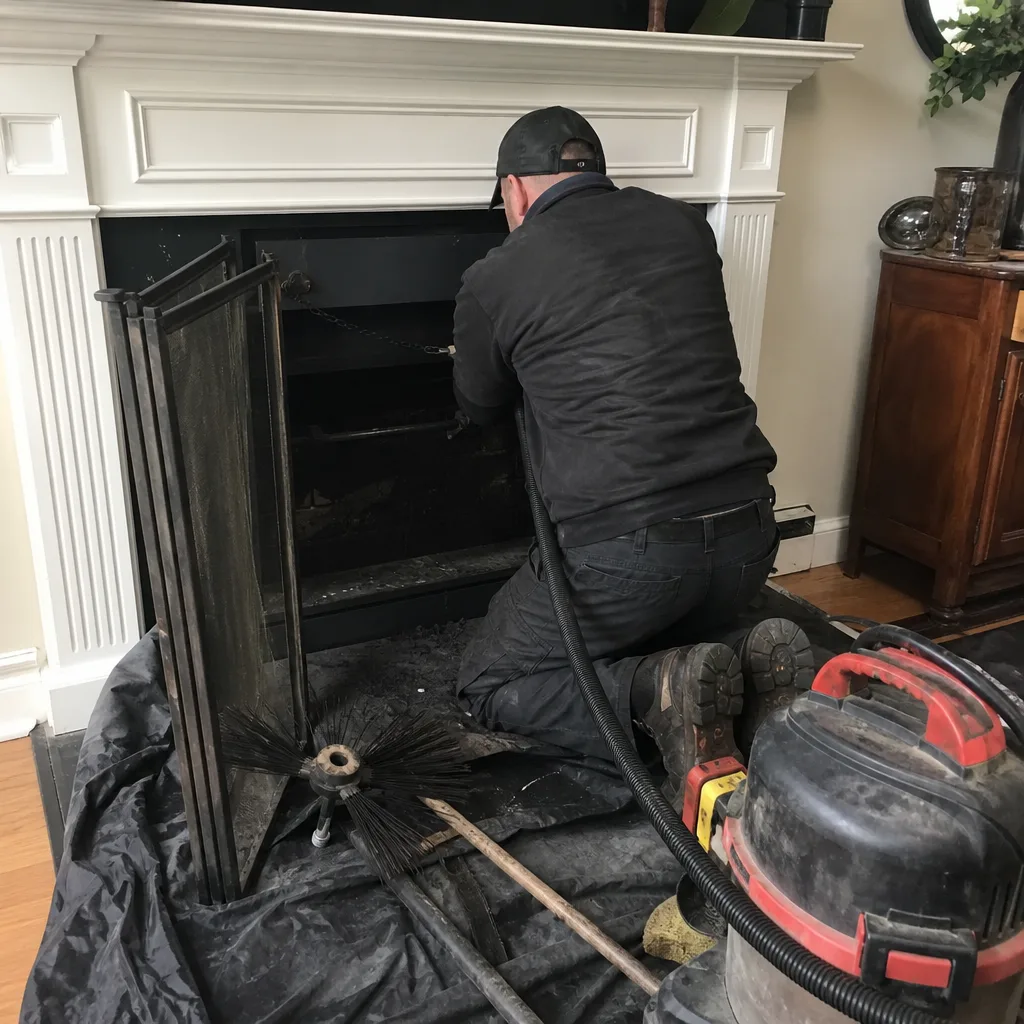 Before
 After
AfterFast, Reliable Chimney Liner & Rebuild Across Inwood
Chimney Repair in Inwood for liner and rebuild work typically runs between $2,800 and $9,500 depending on whether you need a stainless steel liner installed, a partial rebuild of the top courses, or a full teardown and reconstruction. Most Inwood jobs take one to three days on site, and we schedule within a week of the initial inspection in most cases. If you live in a post-war Cape Cod or ranch near Sheridan Boulevard, Lord Avenue, or Bayview Avenue, the chimney you’re looking at was almost certainly built for oil heat and has never been relined. That matters more than most homeowners realize. Call (631) 378-3317 and Wendell or one of his crew will talk you through what you’re actually dealing with before anyone climbs a ladder.
Key Takeaways
- Inwood’s salt-air climate and 1950s-era housing stock mean liner and rebuild decisions are local decisions, not generic ones.
- We never recommend a liner replacement or rebuild without showing you the camera footage first.
- Honest pricing before work starts: the number you hear on the phone is the number on the invoice.
- Wendell Pike founded Top Hat Chimney in 1999 and still puts his name on every job with the 90-Day Done Right Promise in writing.
- Call (631) 378-3317 for a free estimate, no trip charge inside the county.
Why Top Hat Chimney Is Inwood’s Preferred Chimney Liner & Rebuild Company
Wendell Pike started Top Hat Chimney in 1999 and has spent nearly three decades working chimneys across the South Shore. He’s not a franchise that rotated in last spring. When you call, a live person answers, and it may well be Wendell himself picking up. That matters to Inwood homeowners because the chimneys here have problems you don’t see in Wantagh or Valley Stream, which is why our Inwood Fireplace Services are tailored to local conditions. Salt air off Jamaica Bay eats mortar. Wind-driven rain from nor’easters finds every crack in a crown. And Hurricane Sandy left damage in footing mortar that still hasn’t been addressed in plenty of houses that got a quick cosmetic patch in 2013.
We’ve rebuilt and relined chimneys off Doughty Boulevard, off Lord Avenue, and throughout the streets running toward Jamaica Bay. The homeowners we work with are often in their 50s, 60s, and 70s, and too many of them have already been burned by a national outfit that quoted one price on the phone and another at the door. We do it differently. The price Wendell gives you before a single tool comes off the truck is the price you pay. And every job gets the 90-Day Done Right Promise in writing: if it’s not right, one call brings him back.
Our Chimney Liner & Rebuild Services in Inwood
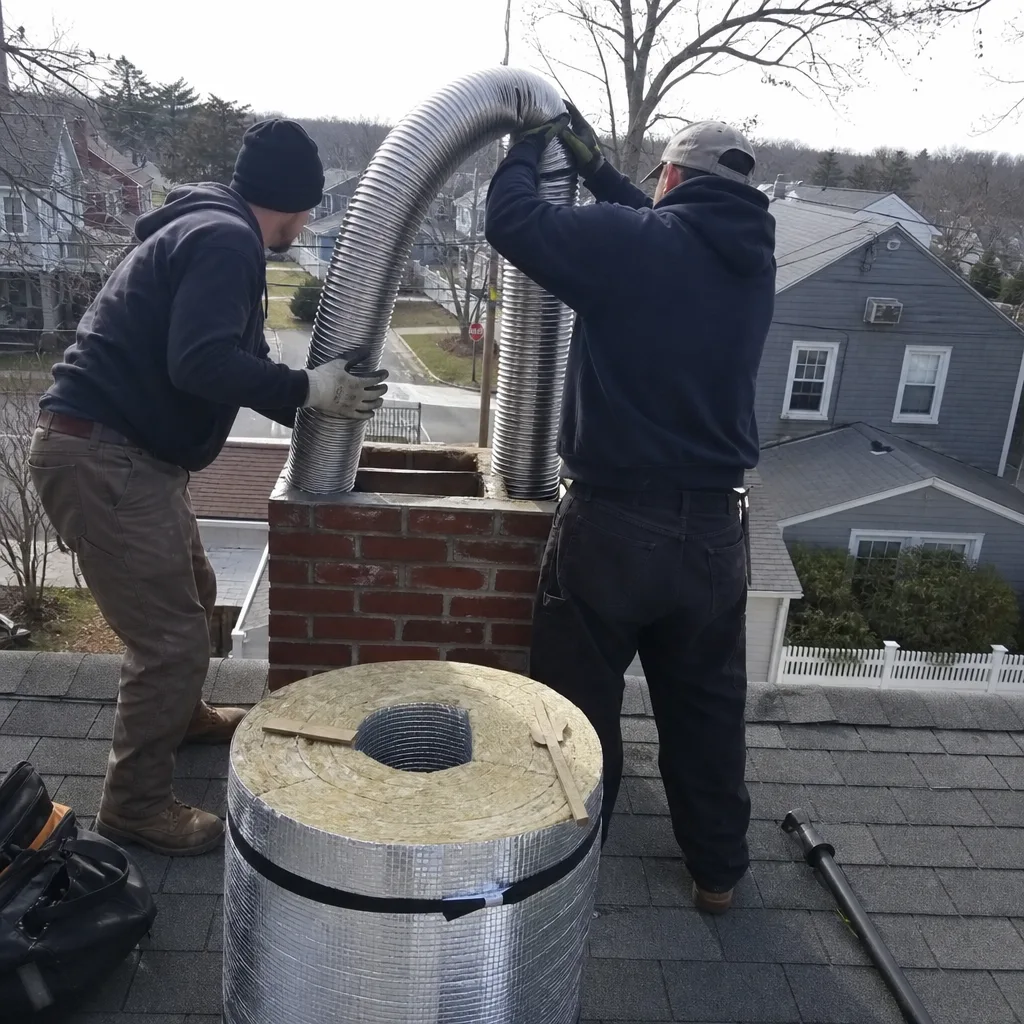
Our Chimney Liner & Rebuild team handles the full range of work Inwood’s older chimneys actually need. Here’s what that looks like in practice.
Stainless Steel Liner
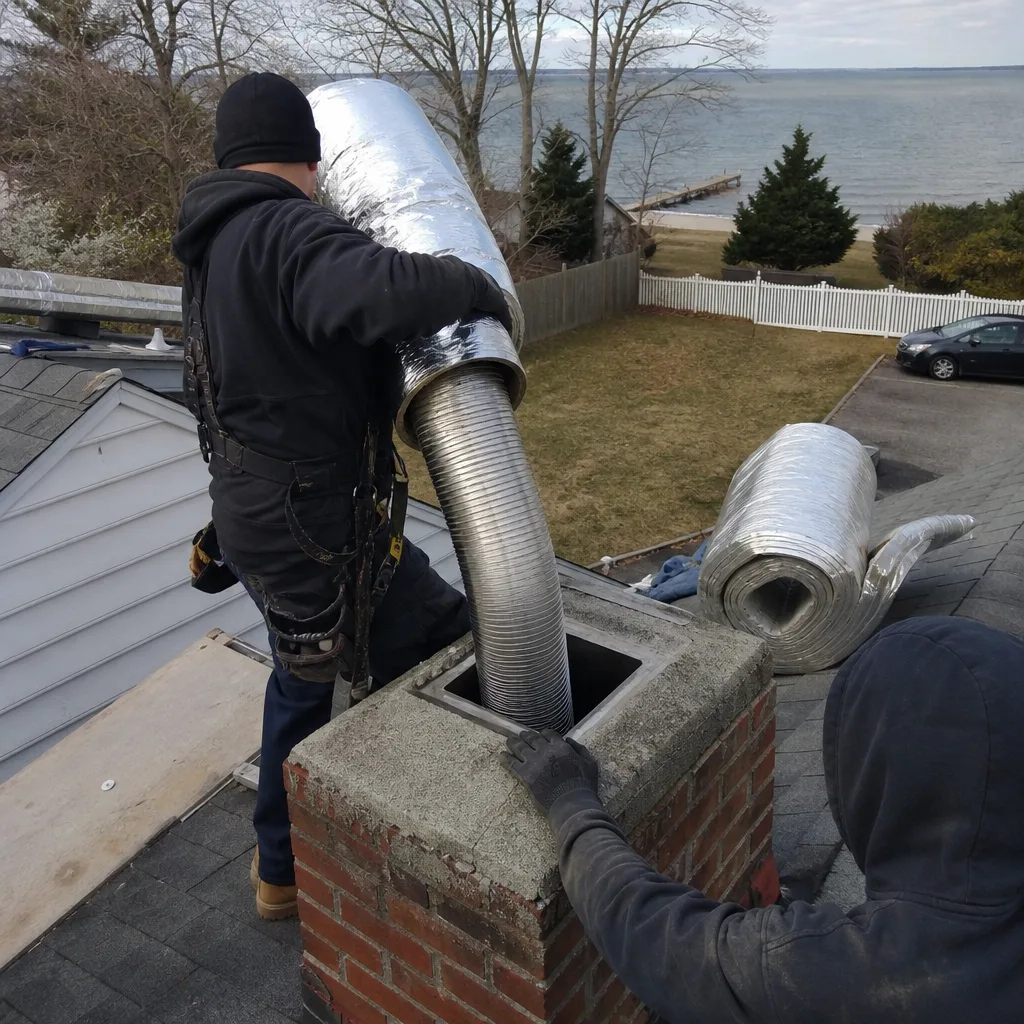
If your Inwood home converted from oil to gas heat decades ago, the original clay tile flue was probably never relined. The tile was sized for oil exhaust, and a gas furnace vents cooler, wetter exhaust that condenses inside the tile. That condensate is mildly acidic. It soaks into the mortar joints, and combined with Inwood’s salt-laden air, the tile cracks and the brick behind it begins to spall. A stainless steel liner sized for the gas appliance solves the code issue and stops the corrosion at the source. For Inwood’s flues, we typically install DuraFlex stainless steel liners because they handle both gas and oil conversions cleanly.

Flexible Liner
Flexible liners work well in Inwood’s straight-up masonry stacks, which is what most of the post-war Capes and ranches have. If the original flue has an offset or a slight jog, a flexible liner snakes through without having to tear out large sections of brick. We use these on gas and oil venting systems where the masonry is structurally sound but the existing clay tile is cracked, glazed, or undersized. Before we recommend one, Wendell’s crew runs a camera up the flue so you can see the condition with your own eyes.

Liner Replacement
A liner replacement in Inwood usually means removing the old clay tile or failed stainless liner and installing new. This is common in houses where the original tile was never replaced and has finally fractured from decades of salt-air moisture and thermal cycling. We’ve pulled out tiles that crumbled like chalk. The replacement path depends on the flue dimensions and what’s venting into it. The camera footage and a plain-English verdict come every time, no exceptions.

Partial Rebuild
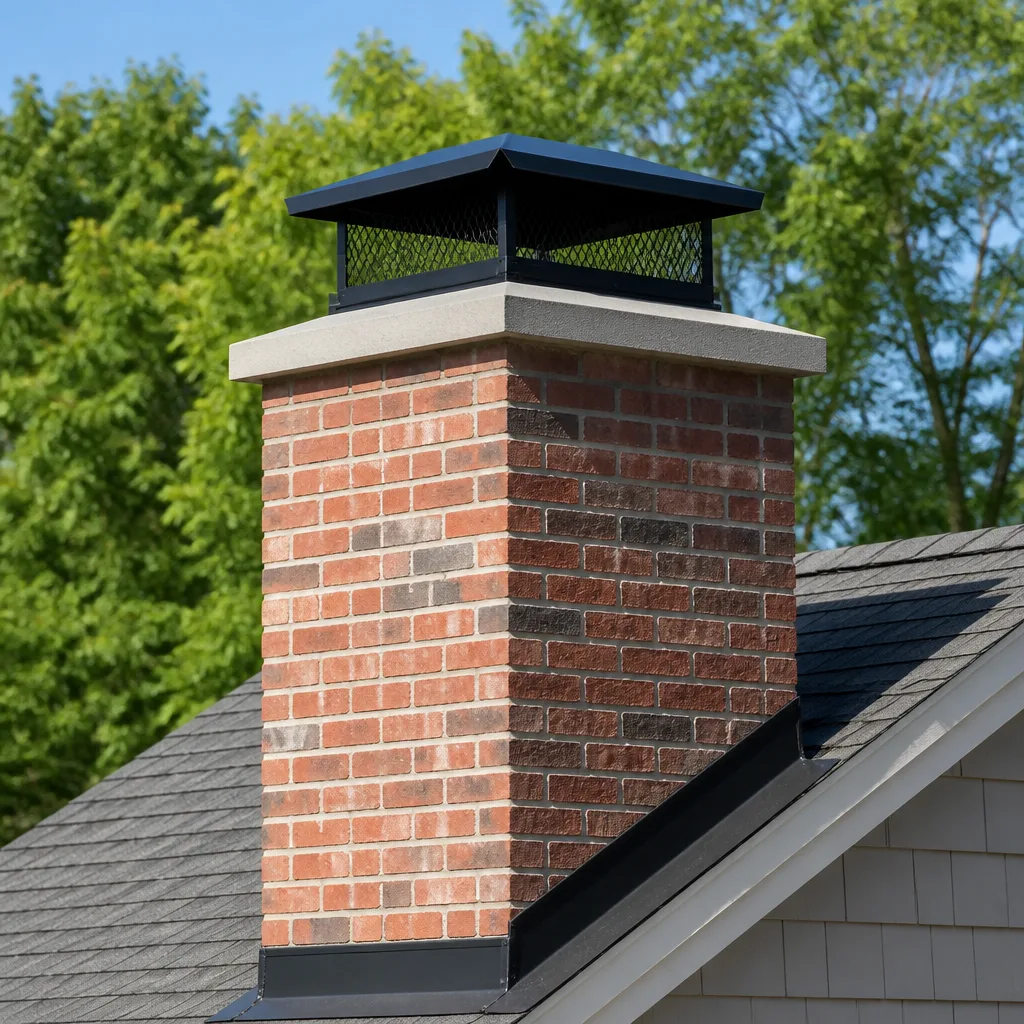
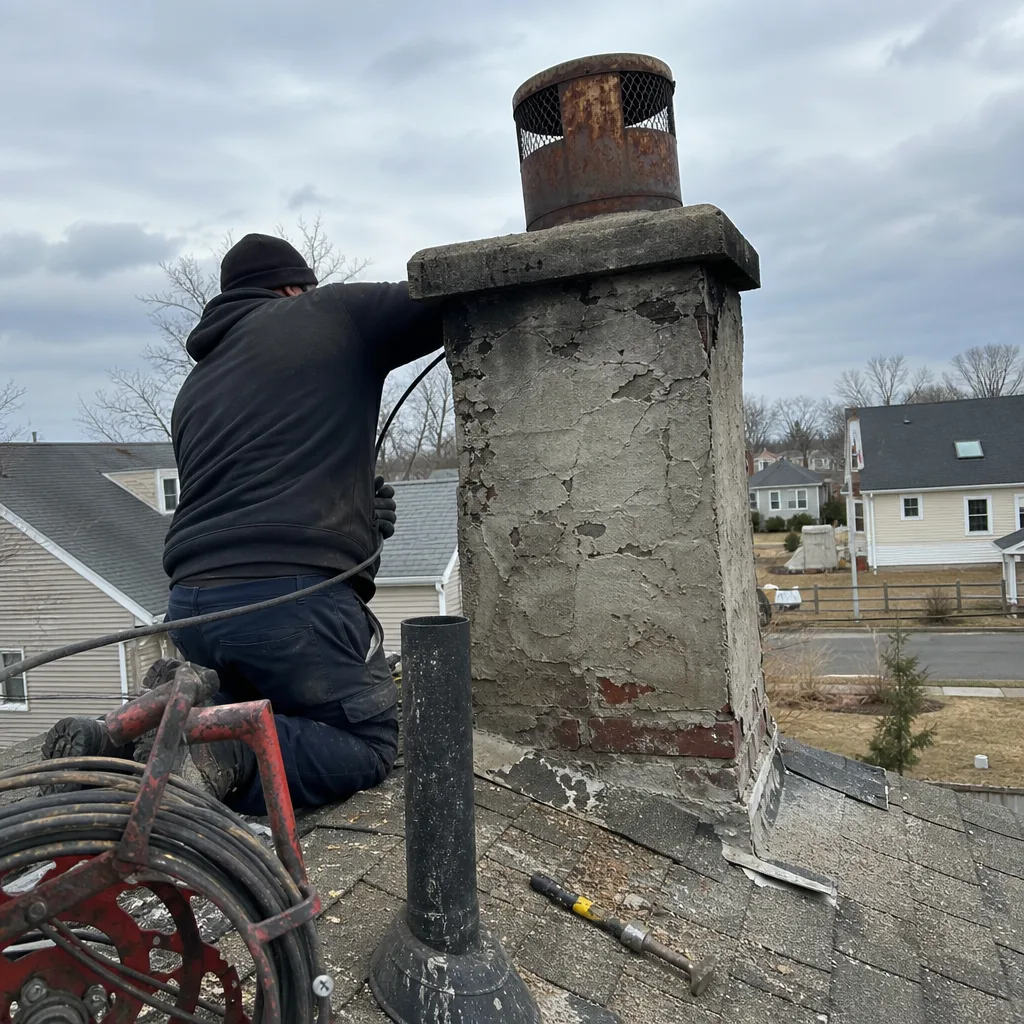
A partial rebuild addresses the top of the chimney: the crown, the top four to eight courses of brick, and the flue termination. In Inwood, wind-driven rain off Jamaica Bay gets driven into cracked crowns before the heating season even starts. We rebuild the top courses, pour a proper crown with an overhang to shed water, and install a quality cap as part of our Chimney Cap & Crown in Inwood. This work stops water intrusion that would otherwise freeze and thaw through the winter, popping bricks loose.

Full Chimney Rebuild
When the brick below the roofline is spalled, the footing mortar is rotted, or the stack has shifted, a full rebuild is the honest answer. This is more common in Inwood than in communities a few miles north because Hurricane Sandy saturated the base of thousands of chimneys in 2012. Hidden footing damage from that storm still shows up now, more than a decade later. A full rebuild means tearing down to the roofline or below and reconstructing the stack with proper materials and a correctly sized flue. We’ll show you the footage that justifies it before we quote a dollar figure.

What happens when you call
- 1
A real person answersNo phone trees - you reach a local pro.
- 2
You get an upfront price rangeHonest numbers before anyone is dispatched.
- 3
A background-checked tech heads outLicensed & insured, dispatched right away.
- 4
You approve before work beginsNothing starts until you say go.
Trusted Brands We Service in Inwood
Wendell and his crew install and service liners and rebuild components from HeatShield, DuraFlex, Olympia Chimney, and Famco. These are brands we’ve worked with for years, not whatever the supply house had on sale. Because we stock common liner components for the South Shore market, turnaround on a standard stainless liner installation in Inwood is usually days, not weeks. If you already have a quote from another company for a HeatShield or DuraFlex system, bring it to us. We’ll give you a free second opinion on any written estimate, and we’ll tell you plainly whether the work they quoted is even necessary.
Common Chimney Liner & Rebuild Problems We See in Inwood Homes
- Unlined flues on gas conversions: Many Inwood Capes and ranches converted from oil to gas in the 1980s and 1990s and never relined. The original clay tile wasn’t sized for gas exhaust, and if there’s no liner at all, carbon monoxide and acidic condensate move directly into the brick. This is the most common dangerous condition we find in Inwood homes.
- Salt-air mortar erosion: Chimneys within a mile of Jamaica Bay get hit with salt-laden air year-round. It pits metal dampers and flashing and accelerates mortar joint breakdown to a degree you simply don’t see in communities inland. Brick that looks fine from the ground can have joints you can scrape out with a finger.
- Post-Sandy footing damage: The 2012 storm surge saturated brick and mortar at the base of countless Inwood chimneys. Cosmetic repairs done in 2013 addressed the visible brick but not the rotted footing mortar. Those chimneys look fine from the roofline and then shift or crack at the base once the flue runs hot through a full winter.
- Water intrusion through cracked crowns: Nor’easters tracking up the South Shore push wind-driven rain directly into chimney crowns. A cracked crown lets water behind the brick, soaks the smoke chamber, and creates rust blooms on the firebox. By the time you see interior moisture damage, the crown has been failing for years.
Pricing for Chimney Liner & Rebuild in Inwood, NY
Let’s talk real numbers for the Inwood market.
- Stainless steel liner installation: $2,800 to $5,200 depending on flue height, liner diameter, and access. Most Inwood Capes run toward the lower end unless the stack is tall or difficult to reach.
- Liner replacement including tile removal: $3,500 to $6,800 when the old tiles have to be broken out and the flue cleaned before the new liner goes in.
- Partial rebuild including crown replacement: $2,200 to $4,500 for the top courses, new crown, and cap. Height and roofline access affect this.
- Full chimney rebuild: $7,500 to $14,000 depending on height, brick match, and whether the flue needs relining at the same time. Given Sandy’s effect on Inwood footings, full rebuilds here are more frequent than in towns a few miles north.
What changes the price is flue condition, stack height, roof pitch, and whether the chimney needs one or multiple fixes. The estimate is free. Wendell’s standard offer stands for Inwood homeowners too: $40 off any repair over $200, and 10% off always for seniors and veterans. No trip charge inside the county. Call (631) 378-3317 and you’ll get a straight number before work begins.
We Also Serve Cities Near Inwood
Top Hat Chimney serves Chimney Liner & Rebuild in Inwood and the surrounding Five Towns and South Shore communities, including Cedarhurst, Woodmere, Atlantic Beach, and Hewlett. If you’re a few blocks over the Inwood line in one of those towns, the same crew shows up. Same pricing. Same 90-Day Done Right Promise in writing.
Serving Inwood, NY - Our Local Coverage Area
We’re based in the Inwood area and know this community well. Use the map below to see our service coverage - if you’re nearby, we can almost certainly help.
FAQs - Chimney Liner & Rebuild in Inwood
You watch the footage. We run a camera up the flue on every inspection, and you see exactly what the sweep sees. If the tile has hairline cracks, you’ll see them. If it’s glazed over with third-degree creosote, you’ll see that too. First-degree creosote is a brush job. Third-degree is a glaze, catch it early. A cracked clay tile on a gas flue is a code violation and a carbon monoxide risk, and we’ll tell you that plainly. If the tile is intact and the chimney is safe, Wendell will tell you to save your money and schedule a cleaning. Call (631) 378-3317 and we’ll put a camera in your flue.
Three reasons: salt air, Sandy, and age. Inwood sits at the edge of Jamaica Bay, and the year-round salt-laden coastal air accelerates mortar joint erosion and brick spalling far faster than inland communities experience. The 2012 storm surge saturated the base of thousands of chimneys, and hidden footing damage from that event is still causing failures today. And the neighborhood’s post-WWII housing stock means most chimneys are 60 to 80 years old and were built with single-wythe brick designed for oil heat. No liner. No proper crown overhang. The combined assault means full rebuilds here happen at a rate the towns north of the Sunrise Highway just don’t see. Call us at (631) 378-3317 and we’ll give you an honest read on whether your chimney needs a rebuild or has years left.
Probably not, and here’s why. Those post-war Inwood chimneys were sized for oil-fired systems, which push hot exhaust up and out. Gas exhaust is cooler and wetter. It condenses inside the flue, creating acidic moisture that eats mortar and, in an unlined chimney, seeps directly into the brick. The building code changed for exactly this reason, and most of those old oil-to-gas conversions never had the flue relined to code. If your home was converted and you’ve never had a camera inspection, the safest move is to have us take a look. The inspection is free with a cleaning, and you’ll see the footage yourself. Call (631) 378-3317.
A partial rebuild includes removing the spalled or cracked brick from the top of the chimney, typically the top four to eight courses, and rebuilding them with new mortar and matching brick. We also pour a proper concrete crown with an overhang that sheds water away from the brick, and we install a chimney cap sized for the flue. The decision between partial and full comes down to what the camera and a hands-on inspection show. If the brick below the roofline is sound and the footing hasn’t moved, a partial rebuild may be all you need. If there’s spalling below the roofline, rotted footing mortar from the Sandy saturation, or structural shifting, a full rebuild is the honest call. We’ll show you the evidence either way. Call (631) 378-3317 for an inspection.
The problem with cosmetic fixes on Inwood chimneys is that they rarely address the underlying cause. Spalling brick is almost always a moisture problem, and the moisture is either coming from outside, wind-driven rain getting in through a cracked crown or porous mortar, or from inside, condensate from a gas appliance leaking through cracked or missing tile. If you fix the brick without fixing the source, you’ll be repointing again in a few years. We’ll do the cosmetic work if that’s what you want, but Wendell will insist on running the camera up the flue first. You don’t have to agree to anything more, but you should see what’s actually going on inside the stack before you spend money on the outside. The estimate is free. Call (631) 378-3317.
What Actually Happens in Inwood That Doesn’t Happen Elsewhere
Inwood’s post-war Capes and ranches were built fast, and they were built for oil. The original chimneys were single-wythe brick, meaning one layer of brick thick, with a clay tile flue sized for an oil burner. When homeowners switched to gas, most never relined. The gas furnace vents through a stack that wasn’t designed for it, and that stack has spent decades sitting in salt air blowing off Jamaica Bay. The mortar joints erode faster than they should. The tile cracks. The acidic condensate soaks into the brick from the inside while salt moisture works on it from the outside. By the time a homeowner calls us, the damage is usually well underway and invisible from the ground.
We saw this play out in a 1952 ranch off Sheridan Boulevard. Our techs found the original clay tile flue had cracked after decades of salt-air mortar erosion, leaving the gas furnace venting through a 7-inch stack into a 9-inch chimney. The homeowner watched the camera footage of fragmented tiles and creosote glaze before we quoted anything. We installed a DuraFlex stainless steel liner sized for the gas appliance, rebuilt the top four courses of spalled brick, and sealed the crown to stop nor’easter rain from pushing into the attic. That’s the whole job, and that’s the honest scope of what Inwood chimneys need.
Your flue doesn’t care how the fire looks. It cares how it breathes. Once a year, burn or no burn. Chimneys break in the off-season too. Call (631) 378-3317 and Wendell or one of his crew will give you a straight answer. Ask anyone on your street.
Written by Wendell Pike, Owner at Top Hat Chimney, serving Inwood and the South Shore since 1999.